
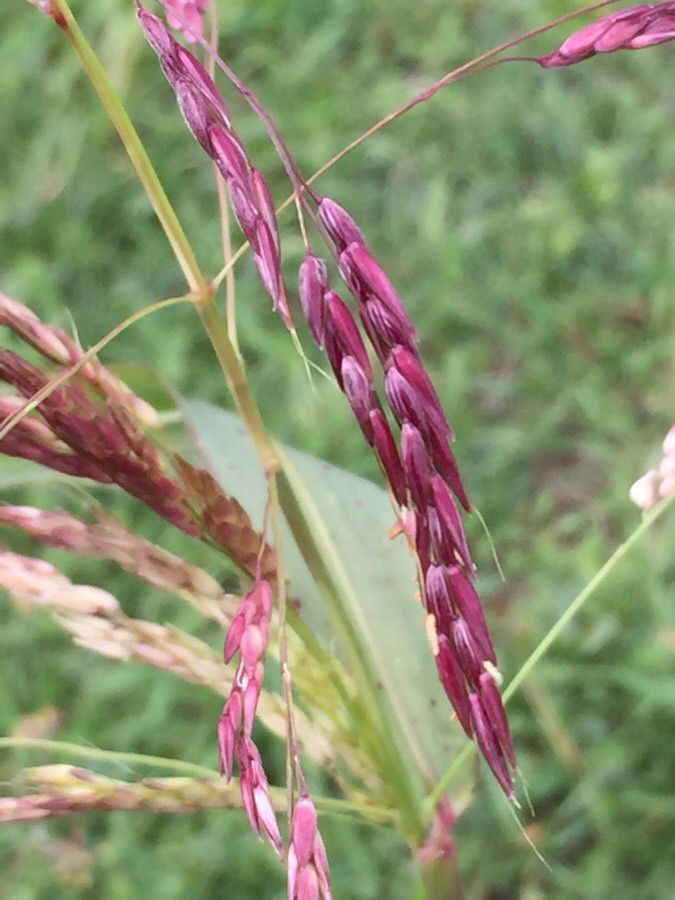
Taming the Wild One: Propagating Johnson Grass (Sorghum halepense)
Johnson grass (Sorghum halepense). The very name might send shivers down the spine of seasoned gardeners, while others might be wondering, “What is it, and why should I care?” This vigorous plant, often considered a pesky weed due to its tenacious nature, has a hidden talent: easy propagation. Whether you’re looking to cultivate it for its surprising uses or trying to get a handle on its spread, understanding how Johnson grass propagates is key.
Two Methods, One Tough Plant
Johnson grass is a master of survival, employing two primary methods of propagation:
1. Seed Power: Each Johnson grass plant produces an abundance of seeds, effortlessly scattering them far and wide. These seeds are hardy and can remain dormant in the soil for years, waiting for the perfect opportunity to germinate. A single plant can produce thousands of seeds, making it a formidable opponent in the battle for garden dominance.
2. Rhizomes on the Run: Below the surface, Johnson grass establishes a powerful network of rhizomes. These underground stems spread horizontally, sending up new shoots and quickly colonizing an area. This rhizomatous growth makes it extremely difficult to control Johnson grass through simple pulling or mowing, as even a small piece of rhizome left behind can sprout a whole new plant.
Friend or Foe?
While often considered a troublesome weed in gardens and agricultural settings, Johnson grass has a few redeeming qualities:
- Forage Crop: In some regions, Johnson grass is cultivated as a forage crop for livestock due to its rapid growth and high biomass yield.
- Erosion Control: Its extensive root system can help stabilize soil and prevent erosion in disturbed areas.
- Biomass Potential: Research is ongoing to explore its potential as a source of biofuel and bioenergy.
Taming the Spread
If Johnson grass is an unwelcome guest in your garden, don’t despair! Here are a few ways to manage its spread:
- Early Intervention: The sooner you address a Johnson grass invasion, the better. Hand-pulling young plants before they develop extensive rhizomes can be effective.
- Mulch Power: Applying a thick layer of mulch can help suppress seed germination and make it harder for rhizomes to spread.
- Careful Cultivation: Avoid tilling or disturbing the soil in areas where Johnson grass is present, as this can break up rhizomes and encourage further growth.
- Herbicides: As a last resort, selective herbicides can be used to control Johnson grass, but always choose environmentally friendly options and follow instructions carefully.
Understanding Johnson grass, its propagation methods, and its potential benefits can help you make informed decisions about managing it in your landscape. Whether you choose to harness its resilience or keep it at bay, this “wild one” of the plant world holds valuable lessons in adaptation and the interconnectedness of nature.