
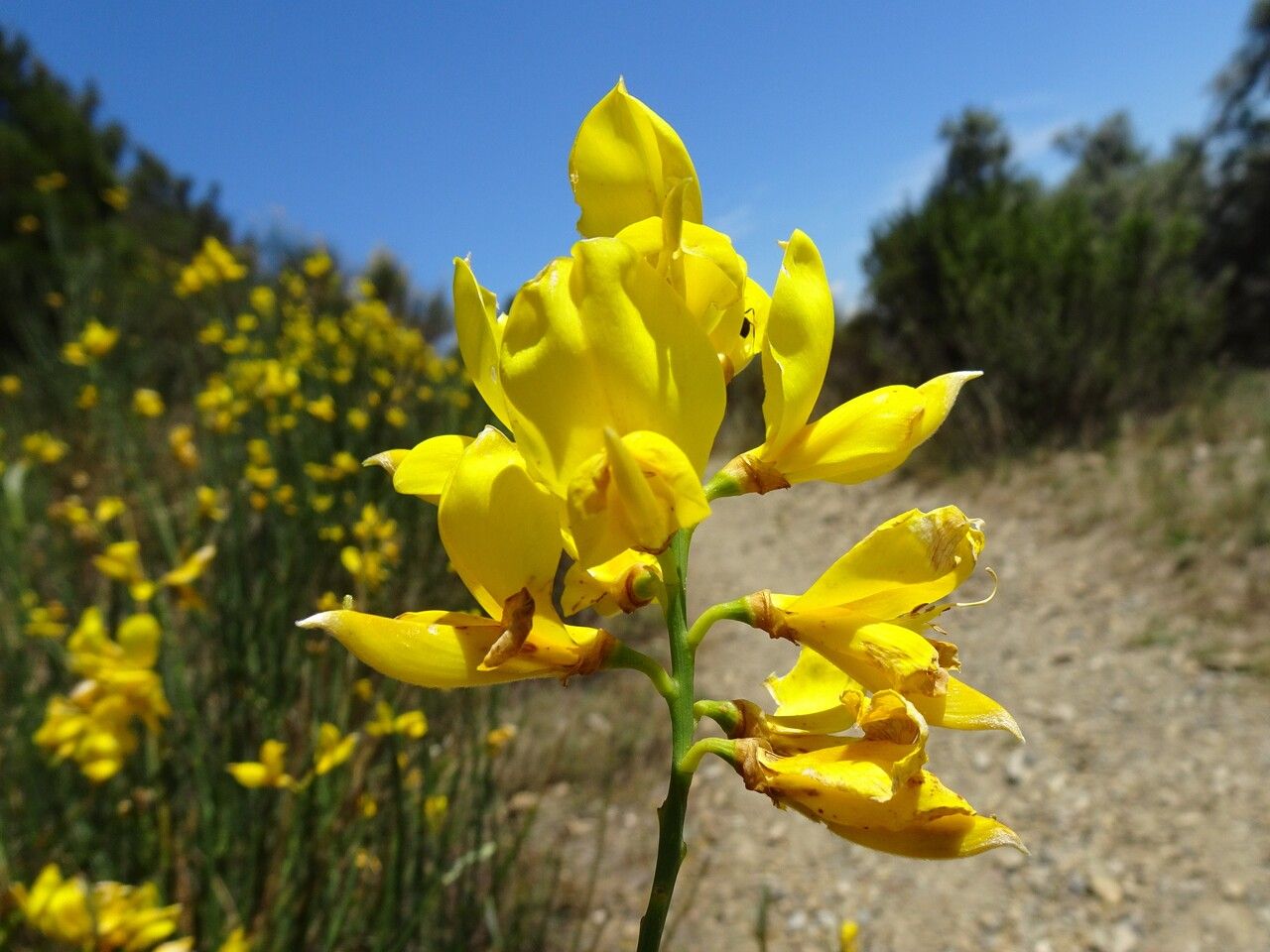
From Snipping to Blooming: Propagating the Sun-Kissed Spartium Junceum (Spanish Broom)
The Spanish Broom (Spartium junceum) is a vibrant shrub with bright yellow, fragrant flowers that truly brighten up any garden. But beyond its aesthetic appeal, this hardy plant is also known for its ease of propagation, making it a fantastic option for both seasoned gardeners and beginners.
Let’s dive into the world of Spanish Broom propagation, exploring the different methods and tips to ensure your success in nurturing new plants from your existing ones.
The Power of Cuttings:
One of the most accessible methods for propagating Spanish Broom is by taking stem cuttings. This simple technique involves harvesting a section of healthy stem from a mature plant. Here’s a step-by-step guide:
- Timing is Everything: Choose a non-flowering stem, preferably a young, green one, during the spring or early summer.
- Sharpness is Key: Take a clean, sharp knife or pruning shears and make a clean cut just below a node (the point where a leaf or branch grows).
- Preparing for Growth: Remove any leaves below the soil line and dip the cut end in a rooting hormone to encourage root development.
- A Suitable Growing Medium: Plant the cutting in a well-draining potting mix, making sure the node is buried below the soil surface.
- The Waiting Game: Keep the pot moist and warm in a bright, indirect light spot, misting regularly to maintain humidity. Rooted cuttings may emerge in a few weeks, but can take up to several months.
Seeds: A Slower Yet Rewarding Option:
While the cutting method offers faster results, planting seeds can be a rewarding, though slightly slower process. Here’s how to cultivate Spanish Broom from seed:
- Gathering Seeds: Collect ripe seeds from seedpods in late summer or early autumn. The pods change color from green to brown, indicating ripeness.
- Scarification and Soaking: Spanish Broom seeds have a hard coat, so scarification (softening the coat) and soaking are recommended. Rub the seeds gently with sandpaper or nick them slightly. Soak them overnight in warm water before planting.
- The Sowing Process: Sow seeds in a well-draining seed-starting mix, covering them with a thin layer of soil.
- From Seedlings to Saplings: Seeds germinate best in warm temperatures (around 70°F ) and full sun. Water consistently, and thin seedlings once they have a few true leaves.
- The Transplant Process: Once seedlings are strong enough, carefully transfer them to individual pots or your chosen planting location.
Important Considerations:
- Sunlight: Spanish Broom thrives in full sun. Ensure your cuttings or seedlings have adequate light exposure.
- Drainage: This plant is susceptible to root rot, so use a well-draining potting mix and avoid overwatering.
- Pruning: Regular pruning encourages healthy growth and flowering.
- Winter Protection: In colder climates, provide some winter protection to keep the roots from freezing.
Benefits of Propagating Spanish Broom:
- Cost-effective: Growing new plants from cuttings or seeds is a budget-friendly option compared to buying new ones.
- More Variety: You can easily experiment with different varieties, or share your plants with friends and family.
- Satisfying Process: Watching a small cutting or seed develop into a blooming shrub is a rewarding gardening experience.
With its captivating blooms and easy propagation methods, the Spanish Broom offers a beautiful way to brighten your garden. So, grab a cutting, sow some seeds, and enjoy the joy of nurturing these vibrant plants into flourishing companions.