
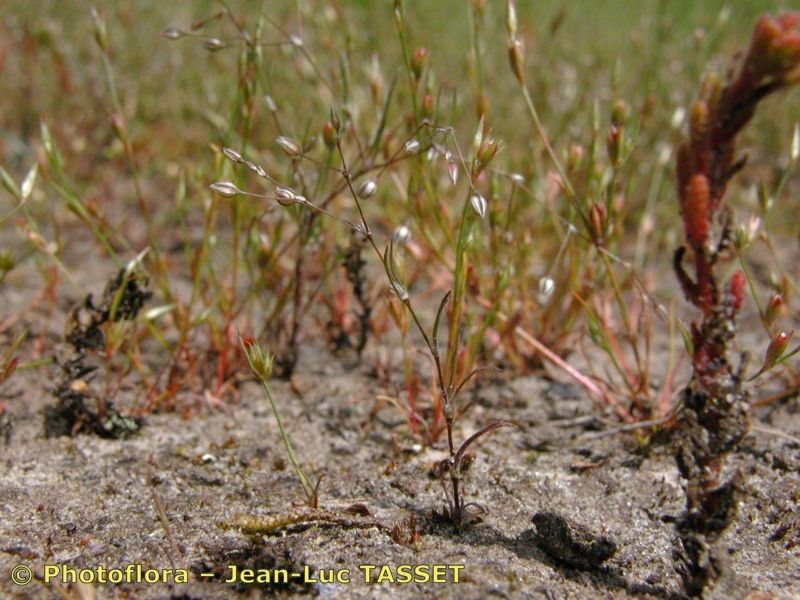
Seeding Success: The Easy Way to Propagate Corn Spurry (Spergula arvensis)
Corn spurry, or Spergula arvensis, might not be a household name like roses or tomatoes, but this delicate-looking plant offers a charming wildflower appeal and boasts surprising resilience. If you’re looking to add a touch of whimsical charm to your garden or wildflower meadow, propagating corn spurry is surprisingly straightforward.
Understanding Corn Spurry:
Before we delve into the how-to, let’s get acquainted. Corn spurry is an annual plant with delicate, needle-like leaves and delicate white flowers. Don’t let its dainty appearance fool you; this little plant is amazingly adaptable and can thrive in poor soil conditions.
The Power of Seeds: Your Go-to Propagation Method:
While some plants require complex techniques, corn spurry propagation heavily relies on seeds. Here’s a step-by-step guide:
1. Seed Collection:
Timing is key! The optimal time for collecting seeds is late summer or early fall when the small, capsule-like fruits turn brown. Look for dry capsules and gently crush them between your fingers to release the tiny, black seeds.
2. Site Preparation & Sowing:
Corn spurry prefers well-drained soil and full sun to partial shade. Prepare the planting area by removing any existing weeds and lightly rake the soil to loosen it. Sprinkle the seeds directly onto the soil surface, aiming for a light, even distribution. Since the seeds are tiny, there’s no need to bury them deeply – simply press them gently into the soil.
3. Watering and Care:
After sowing, water the area gently but thoroughly. Keep the soil consistently moist, especially during germination, which typically takes 1-2 weeks. Once established, corn spurry is relatively drought-tolerant and won’t require excessive watering.
4. Thinning:
As the seedlings emerge and grow, thinning may be necessary to prevent overcrowding. Aim for a spacing of 6-8 inches between plants to allow for optimal air circulation and growth.
Tips for Success:
- Fall Sowing for Spring Blooms: Consider sowing seeds in late fall for a stunning display of blooms in the spring. The cold winter months will naturally stratify the seeds, leading to better germination rates.
- Weed Control: Since corn spurry prefers disturbed soil, keep an eye out for competing weeds, especially during the early stages of growth.
- Deadheading (Optional): If you’d like to prevent excessive self-seeding, simply snip off the faded flower heads before they go to seed.
Reaping the Rewards:
With minimal effort, you’ll be rewarded with a beautiful display of delicate white flowers that attract pollinators like bees and butterflies. Their presence adds a touch of wild, natural beauty to any landscape.
Whether you’re seeking an easy-to-grow wildflower, a charming filler for your cottage garden, or simply want to experiment with a unique plant, propagating corn spurry offers a rewarding experience for gardeners of all levels. So, why not give it a try? Sow the seeds of success and enjoy the simple beauty of this resilient and charming plant.