
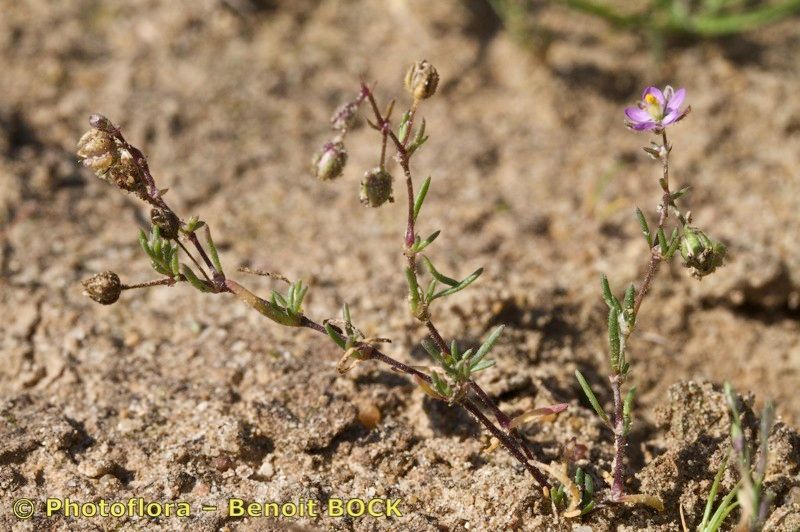
Tiny Treasures: Unlocking the Secrets of Propagating Sand Spurrey (Spergularia echinosperma)
Sand Spurrey (Spergularia echinosperma) might not roll off the tongue as easily as rose or sunflower, but this delicate little plant, with its charming pink blooms and surprising resilience, holds a certain fascination for those who encounter it. Native to coastal regions of Europe and parts of North America, Sand Spurrey thrives in sandy, often challenging environments. If you’re intrigued by this little survivor and want to invite it into your garden or simply learn the art of propagating this unique species, read on!
Understanding the Plant:
Sand Spurrey is an annual plant, completing its lifecycle within a year. This means propagation primarily focuses on starting new plants from seed. Its ability to thrive in nutrient-poor, sandy soils makes it a great choice for rock gardens, xeriscaping, or even adding a touch of dainty beauty to containers.
Propagation Magic: Two Approaches
Direct Sowing: Embracing the Wild Side
- Timing is Key: In its natural habitat, Sand Spurrey relies on the natural rhythms of the seasons. For similar success, aim to sow seeds in either the fall or spring. Fall sowing mimics the plant’s natural cycle and allows for cold stratification, which can enhance germination rates.
- Preparing the Stage: Select a well-drained site with full sun to partial shade. Loosen the soil slightly and remove any large debris. Sand Spurrey isn’t fussy, so extensive soil amendment usually isn’t necessary.
- Sowing the Seeds: Scatter seeds sparingly on the prepared soil surface. Gentle pressing will ensure good seed-to-soil contact. Don’t bury the seeds deeply; light is essential for germination.
- Water with Care: After sowing, water the area gently but thoroughly. Avoid heavy watering, which can wash away the tiny seeds.
- Starting Indoors: A Head Start on Spring
- Gathering Your Supplies: You’ll need seedling trays or small pots, a well-draining seed-starting mix (consider adding a bit of sand for good measure), and a spray bottle for watering.
- Sowing Indoors: sow seeds in the prepared containers about 4-6 weeks before your last expected frost. Lightly press the seeds into the surface of the mix.
- Light and Warmth: Place the containers in a bright location but out of direct sunlight. Maintaining a temperature of around 65-75°F (18-24°C) will encourage germination.
- Transplanting Time: Once the seedlings are a few inches tall and the danger of frost has passed, harden them off gradually by introducing them to outdoor conditions for increasingly longer periods. Then, transplant them to their permanent location.
Caring for Your Sand Spurrey:
Sand Spurrey is relatively low-maintenance. Ensure adequate drainage, and while it tolerates drought conditions, occasional watering during dry spells will encourage more abundant blooms.
Reaping the Rewards:
Whether you choose direct sowing or indoor seed starting, propagating Sand Spurrey is a rewarding endeavor. The sight of those delicate pink blossoms, a testament to the plant’s resilience and your nurturing care, will bring a touch of subtle beauty and a sense of accomplishment to your gardening journey.