
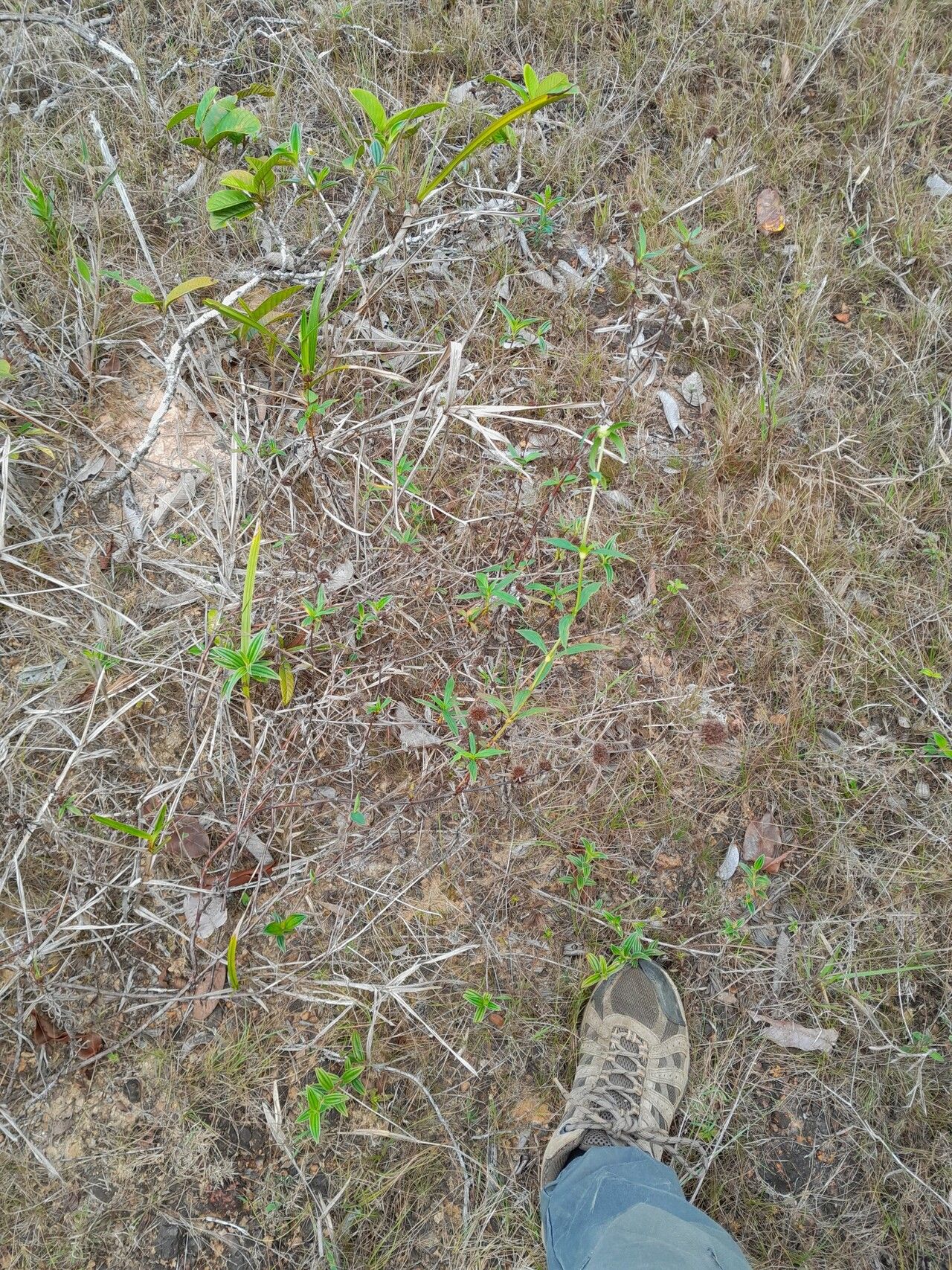
Unlock the Secrets to Growing More ‘Spermacoce capitata’: A Guide to Successful Propagation
‘Spermacoce capitata’, also known as ‘Buttonweed’ or ‘Tropical Buttonweed’, is a charming groundcover that adds a touch of delicate beauty to any garden. This prolific grower spreads with its creeping habit, forming a dense mat of green foliage adorned with tiny white flowers. But have you ever wondered how to create more of these delightful plants?
The answer lies in the fascinating world of plant propagation. This article will explore two simple and effective methods to multiply your ‘Spermacoce capitata’: seed propagation and cutting propagation. By understanding these techniques, you can easily expand your Buttonweed haven or share these beautiful plants with friends and family.
1. Seed Propagation: Planting the Seeds of New Life
‘Spermacoce capitata’ readily produces seeds, making propagation from seed a straightforward option. Here’s a step-by-step guide:
- Collect Seeds: After the flowers fade, small, brown capsules containing the seeds will develop. Allow these capsules to mature fully before harvesting and extracting the seeds within.
- Prepare Your Seedbed: Fill a seed tray with a well-draining seed starting mix. Lightly dampen the mix and sow the seeds thinly on the surface, spacing them about an inch apart.
- Provide Warmth and Moisture: Cover the tray with a clear plastic dome or wrap to create a humid environment. Keep the tray in a warm location, ideally around 70-75°F (21-24°C).
- Maintain Consistency: Keep the seed starting mix moist, but not soggy. Light watering is recommended.
- Thinning and Transplanting: When the seedlings develop their first set of true leaves (not the seed leaves), thin them out to give each plant adequate space. Once the seedlings are about 2-3 inches tall, you can transplant them into individual pots or directly into your garden.
2. Cutting Propagation: A Quick & Easy Method
For a faster and more convenient method, consider propagation through cuttings. Here’s how:
- Select Healthy Cuttings: Choose a non-flowering stem from a healthy ‘Spermacoce capitata’ plant. Cut the stem just below a node (where a leaf grows) using a sharp knife or pruning shears.
- Prepare the Cutting: Remove the lower leaves from the stem, leaving just a few leaves at the top. You can also dip the cut end of the stem into rooting hormone powder to promote root formation.
- Potting the Cutting: Fill a small pot with a moist rooting medium (a mix of peat moss and perlite works well). Insert the prepared cutting into the rooting medium, making sure that at least an inch of the cutting is buried.
- Protect the Cuttings: Cover the pot with a clear plastic bag or a dome to create a humid environment. Keep the pot in a bright, warm location, but out of direct sunlight.
- Patience is Key: It may take 2-3 weeks for the cutting to develop roots. Keep the rooting medium consistently moist, checking regularly for signs of root growth. Once roots are established, you can acclimate the plant to outdoor conditions and transplant it into your garden.
Tips For Success
- Choose the right time: Both seed and cutting propagation are best done during the warmer months when temperatures are optimal for growth.
- Use clean tools: To minimize the risk of disease, always use clean, sharp tools when collecting seeds or taking cuttings.
- Maintain consistent moisture: Both seed and cutting propagation rely on consistent moisture. Don’t allow the soil to dry out completely, but avoid overwatering.
- Monitor for pests and diseases: Be vigilant for any signs of pests or diseases, and address issues promptly.
By following these steps, you can unlock the secrets to successfully propagating ‘Spermacoce capitata’ and enjoy a flourishing garden filled with this charming groundcover. Whether you choose to start from seed or cuttings, the process is rewarding and allows you to create a vibrant, green space with a touch of natural beauty.