
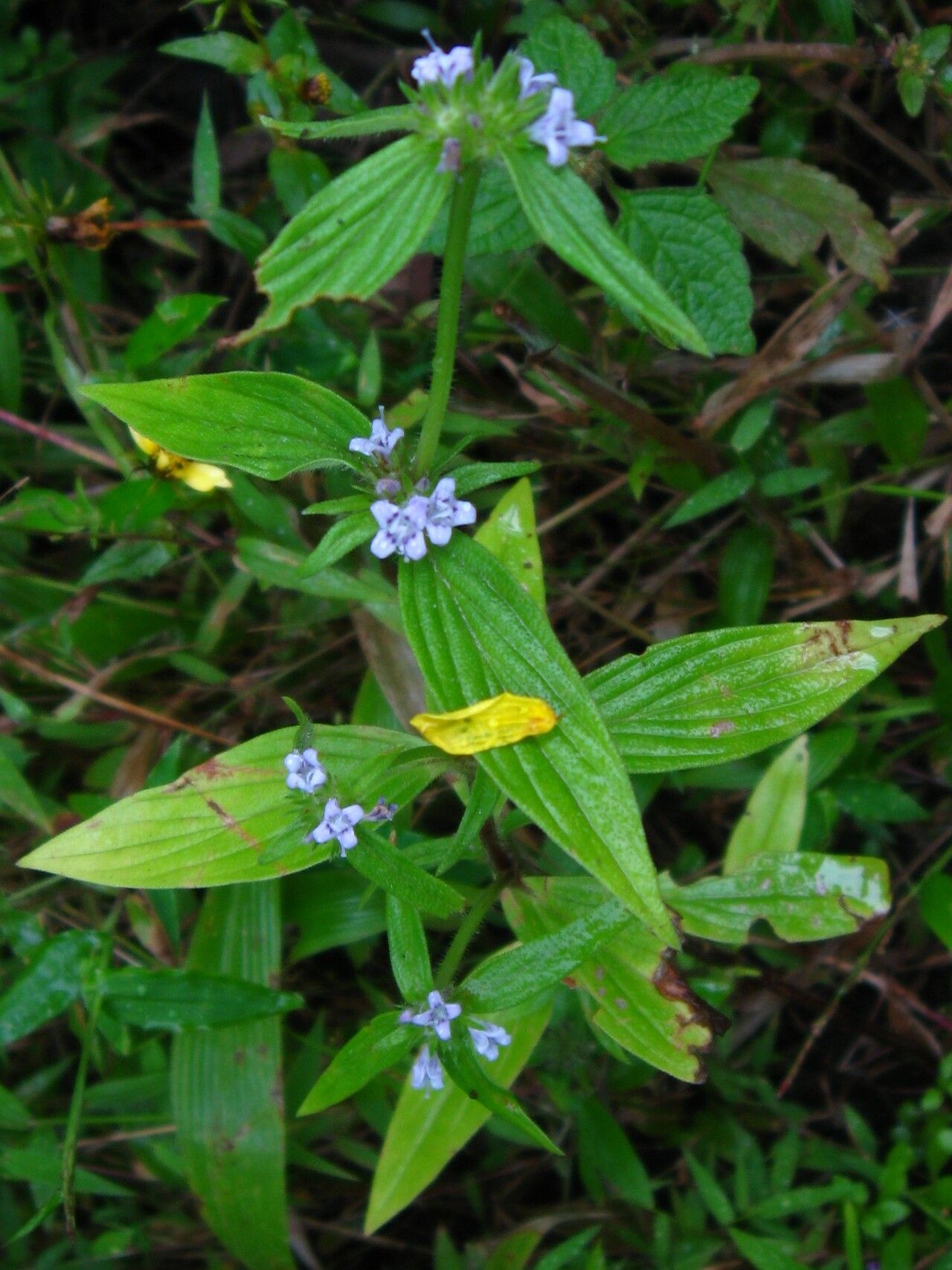
Unlocking the Secrets of False Buttonweed Propagation: A DIY Guide
False buttonweed (Spermacoce ruelliae) – the name might sound like a pesky lawn invader, but don’t be fooled! This charming little plant, with its delicate white flowers and sprawling habit, is a butterfly magnet and a wonderful addition to wildflower meadows, pollinator gardens, and even hanging baskets. But how do you go about adding this beauty to your own space? Today, we’re diving into the world of False Buttonweed propagation, exploring the easiest and most effective ways to grow this lovely plant.
Getting to Know Your Options
While readily available in nurseries specializing in native plants, propagating False Buttonweed at home is incredibly rewarding and surprisingly easy. You have two main methods at your disposal:
1. Seed Starting: The Beginner’s Approach
- Timing is Key: For best results, start your seeds indoors approximately 6-8 weeks before the last expected frost in your area.
- Sowing the Seeds: Use a well-draining seed starting mix and lightly press the seeds into the surface. Keep the soil consistently moist but not waterlogged.
- Patience is a Virtue: Germination can take anywhere from 1 to 3 weeks. Once your seedlings have a few sets of true leaves, you can transplant them into larger pots or directly outdoors after the danger of frost has passed.
2. Taking Cuttings: The Fast Track to New Plants
- Cut it Right: Select healthy, non-flowering stems about 3-4 inches long. Using clean, sharp shears, make a cut just below a leaf node.
- Prepare the Cuttings: Remove the lower leaves from the stem, leaving only a few at the top.
- Rooting Hormone (Optional): While not essential, dipping the cut end in rooting hormone can encourage faster and more successful rooting.
- Planting the Cuttings: Insert the prepared cuttings into a pot filled with a well-draining mix. Keep the soil consistently moist and provide indirect sunlight.
- Transplanting Time: In a few weeks, your cuttings should have developed a healthy root system and be ready to be transplanted into individual pots or your garden bed.
Tips and Tricks for Propagation Success
- Light is Right: False Buttonweed enjoys full sun to partial shade. Ensure your seedlings or cuttings receive adequate sunlight for optimal growth.
- Water Wisely: While this plant is relatively drought-tolerant once established, it’s crucial to keep the soil evenly moist during the propagation process. Water whenever the top inch of soil feels dry to the touch.
- Fertilize Sparingly: False Buttonweed isn’t a heavy feeder. A light application of a balanced fertilizer once a month during the growing season is sufficient.
Reap the Rewards of Your Propagation Efforts
Whether you choose the patience of seed starting or the swiftness of cuttings, propagating False Buttonweed offers a wonderful opportunity to connect with nature and expand your gardening repertoire. With a little effort and these simple guidelines, you’ll soon be enjoying the delicate beauty and pollinator-attracting charm of this lovely wildflower in your own green space.