
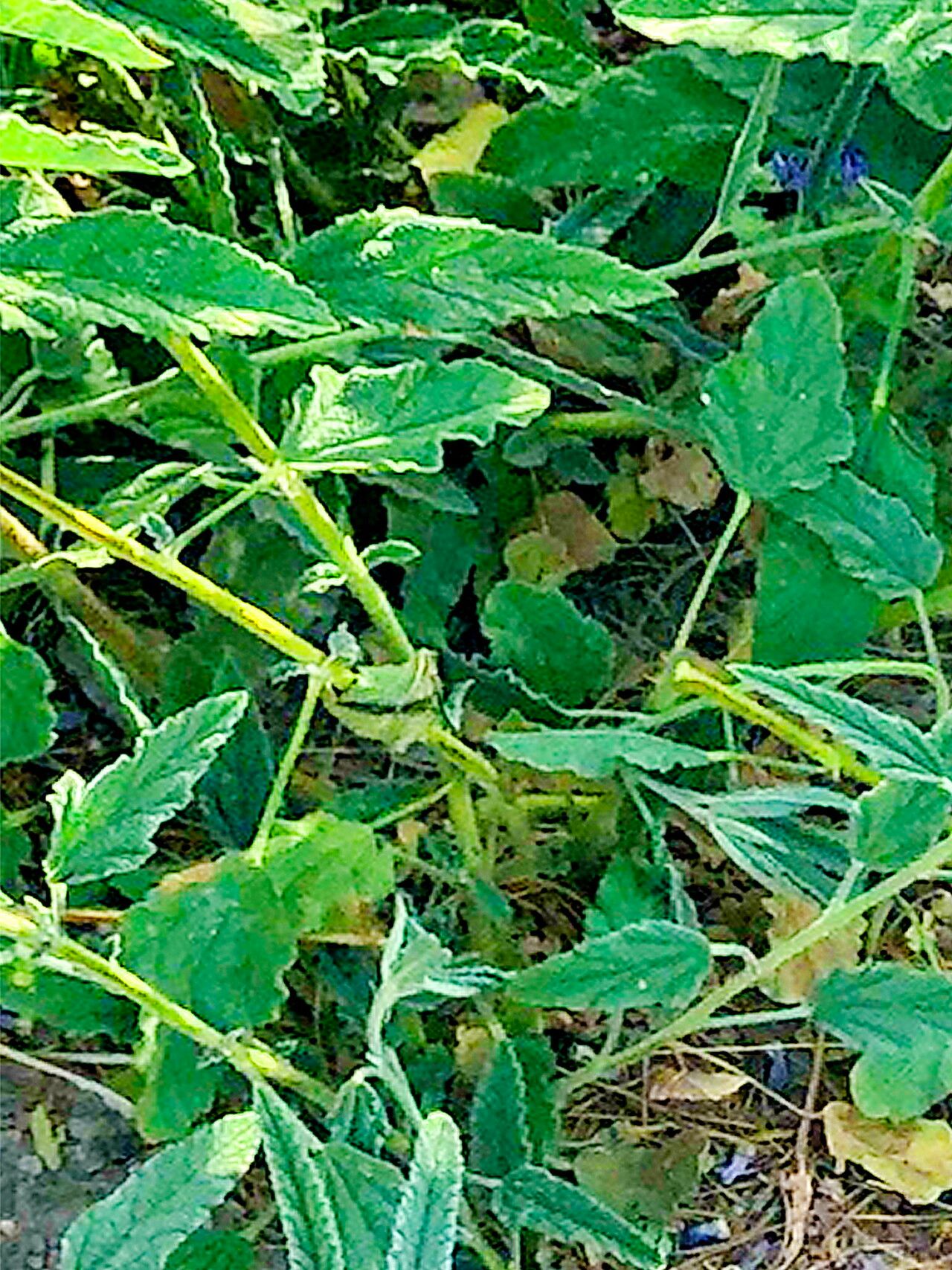
Propagating Sphaeralcea angustifolia: A Guide to Growing the Desert Globemallow
Introduction
Sphaeralcea angustifolia, commonly known as the narrowleaf globemallow, is a charming and resilient perennial native to the southwestern United States and Mexico. This drought-tolerant shrub boasts vibrant, cup-shaped flowers in shades of orange, red, and yellow, adding a splash of color to arid landscapes. Its deep taproot and tolerance to heat and poor soils make it a popular choice among gardeners seeking low-maintenance, native plantings. However, its propagation can present some unique challenges, making success all the more rewarding. This article details various propagation techniques for Sphaeralcea angustifolia, weighing their viability and offering practical advice.
Seed Germination
Seed germination for Sphaeralcea angustifolia is a viable but sometimes challenging method. The primary hurdle is the seed’s relatively low germination rate and potential for dormancy.
Challenges: Seeds may require stratification (a period of cold, moist treatment) to break dormancy. The exact duration and temperature requirements can vary depending on the seed source and environmental conditions. Germination rates are often slow and inconsistent.
Tips: Sow seeds in a well-draining seed-starting mix. Consider pre-treating seeds by placing them in a moist paper towel in a refrigerator for 4-6 weeks to mimic stratification. Sow seeds shallowly, covering them lightly with the mix. Maintain consistently moist (but not waterlogged) conditions and a warm temperature (around 70-75°F/21-24°C).
Rewards: Seed propagation offers the opportunity to cultivate genetic diversity, a crucial factor in maintaining the plant’s resilience. Successful germination can yield a large number of plants, ideal for large-scale projects or sharing with other gardeners.
Cuttings
Propagating Sphaeralcea angustifolia via cuttings is a generally more reliable method than seed germination.
Challenges: While cuttings are feasible, success depends on using healthy, actively growing stem cuttings and providing optimal conditions for rooting. The plant’s woody stems can make rooting more challenging compared to softer stemmed plants.
Tips: Take semi-hardwood cuttings (partially mature stems) in late spring or early summer. Remove lower leaves to prevent rot and dip the cut ends in rooting hormone. Plant cuttings in a well-draining propagating mix, keeping them consistently moist but not overly wet. Use a humidity dome or cover to maintain high humidity levels. Rooting can take several weeks.
Rewards: Cuttings provide a faster and generally more successful method of propagation compared to seed germination, ensuring a quicker return on propagating efforts. The resulting plants will be genetically identical to the mother plant.
Division
Division can be a successful method for mature plants, though it’s not as readily applicable as cuttings.
Challenges: Sphaeralcea angustifolia’s extensive taproot makes division difficult. Care must be taken to avoid damaging the taproot during the process. Dividing plants that are too young may negatively impact their growth.
Tips: Division is best attempted in spring or fall when the plant is actively growing. Dig up the mature plant carefully, and try to separate it into sections containing healthy root systems. Replant divisions in well-draining soil and water thoroughly.
Rewards: Division offers a straightforward method for increasing the number of plants from existing, established specimens. It provides a relatively rapid increase compared with seed germination.
Tissue Culture
Currently, there are no widely available, reliable methods for tissue culture propagation of Sphaeralcea angustifolia reported in the literature. Further research would be needed to develop efficient protocols.
Conclusion
Propagating Sphaeralcea angustifolia offers a rewarding challenge for gardeners. While seed germination presents the opportunity for genetic diversity but a lower success rate, cuttings offer a more reliable method for producing genetically identical plants. Division is a viable option for mature specimens, while tissue culture remains an unexplored avenue. The satisfaction derived from nurturing a tiny cutting into a vibrant globemallow or coaxing seeds to sprout after careful preparation is immeasurable, emphasizing the connection between gardener and plant. For aspiring propagators, patience, careful observation, and a willingness to experiment are key to success in cultivating this beautiful Southwestern native.