
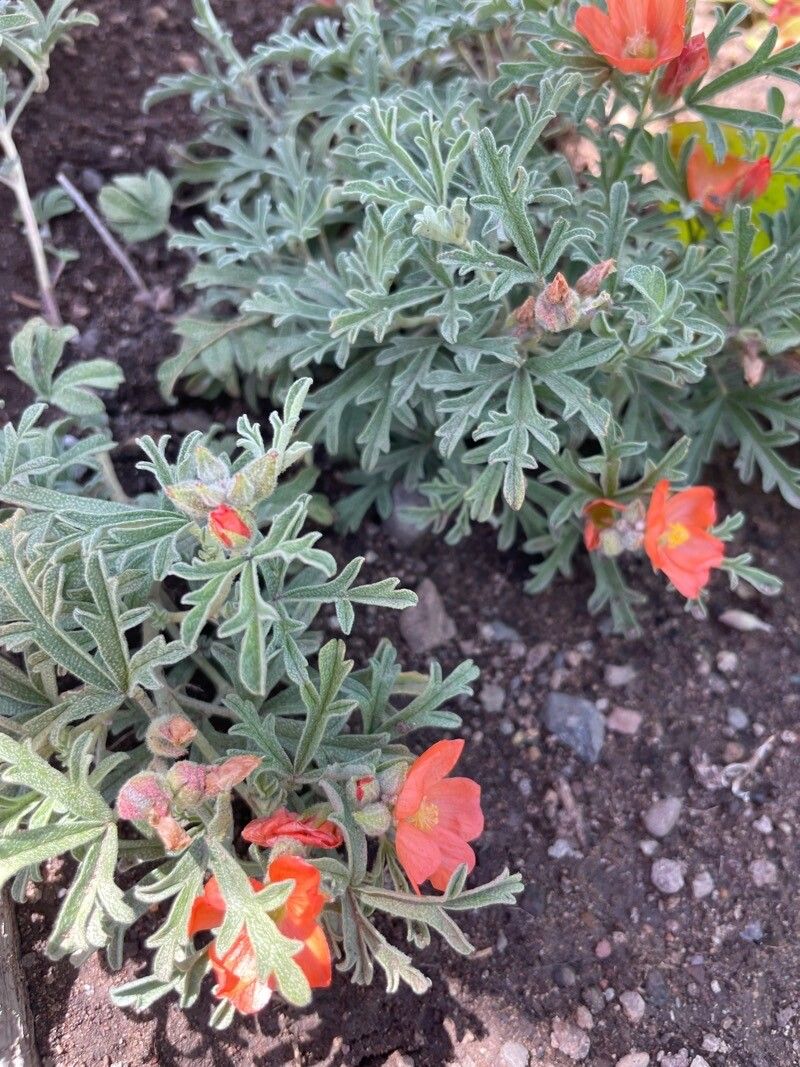
Scarlet Globemallow: A Beginner’s Guide to Propagation
The Scarlet Globemallow (Sphaeralcea coccinea) is a stunning native wildflower, known for its vibrant red blooms that brighten up landscapes from spring to fall. This hardy perennial is not only beautiful but also relatively easy to grow, even for beginners!
One of the best ways to expand your collection of Scarlet Globemallows is through propagation. It’s a rewarding and cost-effective way to enjoy these plants, and with the right techniques, you can easily create new plants from cuttings or seeds.
Propagation from Seed
- Timing is Key: Scarlet Globemallows can be directly sown outdoors in the spring after all danger of frost has passed.
- Preparing the Soil: Choose a well-drained, sunny location as these plants prefer dry conditions.
- Sowing: Sprinkle the seeds thinly onto the prepared soil and gently cover them with a thin layer of soil (1/4 inch). Water the seeds gently but thoroughly.
- Germination: Expect seedlings to emerge within 2-3 weeks.
- Thinning: Once the seedlings have developed a few true leaves, thin them to a spacing of 12-18 inches apart.
Propagation by Cuttings
- Taking Cuttings: The best time to take cuttings is in the spring or early summer. Choose healthy, non-flowering stems.
- Prepare the Cuttings: Cut 4-6 inches of stem just below a node (where the leaves grow). Remove the lower leaves from the cutting, leaving only the top two or three leaves.
- Dip in Rooting Hormone (optional): Dip the cut end of the stem in rooting hormone powder to encourage root development.
- Planting: Fill a pot with a moist, well-draining potting mix. Make a hole in the center and insert the cutting.
- Caring for Cuttings: Keep the soil moist and the cutting in a warm, sunny location. Rooting may take 4-6 weeks.
Other Tips for Successful Propagation
- Root Boosters: Adding a pinch of rooting hormone to the potting mix or using a rooting hormone solution can further encourage root development.
- Humidity: Keeping the cuttings in a humid environment, like a propagation dome or plastic bag, can improve their chances of success.
- Patience: Propagation takes time. Be patient and don’t give up!
- Transplanting: Once the cuttings have rooted, you can transplant them into larger pots or directly into the ground.
Enjoying Your Scarlet Globemallow Plants
Scarlet Globemallows are low-maintenance plants that can thrive in a variety of conditions. They attract pollinators like bees and butterflies, adding life to your garden. Their vibrant red blooms are a natural eye-catcher, and their hardy nature makes them perfect for casual gardeners or those looking to attract beneficial insects.
Whether you opt for propagation from seed or cuttings, you’ll be rewarded with a beautiful display of Scarlet Globemallows, brightening up your garden and bringing a touch of wild beauty to your landscape.