
Unlocking the Mystery of “Sphenostylis angustifolia” Propagation: A Beginner’s Guide
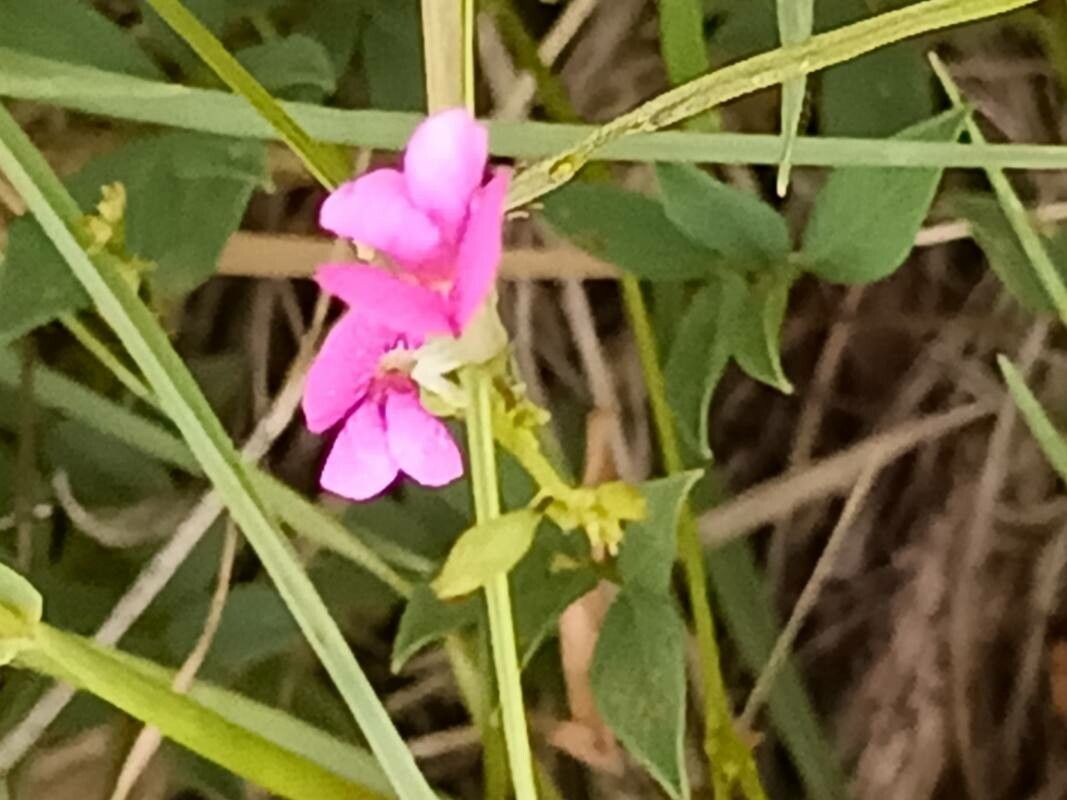
Have you ever gazed upon the vibrant pink flowers of “Sphenostylis angustifolia”, commonly known as the “Wild Yam Bean”, and wished you could share their beauty in your own garden? This striking climbing vine, boasting fragrant blooms and edible tubers, presents an exciting opportunity for plant enthusiasts. But how can you successfully propagate this unique species? In this article, we’ll demystify the process, equipping you with the knowledge to grow your own “Wild Yam Bean” from cuttings or seeds.
Understanding the Plant:
“Sphenostylis angustifolia” is a tropical legume native to Africa. Its adaptability makes it thrive in a variety of warm climates, producing a cascading curtain of delicate, pink flowers. The plant’s edible tubers are a valuable food source in many regions, and its leaves provide excellent forage for livestock.
Propagating with Cuttings:
For those eager to get started quickly, propagation through cuttings is a popular and effective method. Here’s what you need to know:
- Timing: Spring and early summer are ideal times to take cuttings. The plant is actively growing, providing ample material.
- Selection: Choose healthy, non-flowering stems, preferably with at least two nodes (the points where leaves emerge).
- Preparation: Using a sharp knife or pruning shears, cut the stems just below a node. Remove the leaves from the bottom inch of the stem.
- Rooting: Dip the cut end of the stem in rooting hormone to stimulate root growth. Plant the cuttings in a well-draining potting mix, ensuring the lower node is buried. Keep the cuttings moist and in a warm, humid environment.
- Care: Cover the cuttings with a plastic bag or dome to maintain humidity. Once roots develop, which typically takes several weeks, gradually acclimate the cuttings to outdoor conditions.
Propagating with Seeds:
For those who prefer a slightly more patient approach, seed propagation offers a rewarding experience. Here’s how to get started:
- Source: Obtain fresh seeds from a reputable source. “Sphenostylis angustifolia” seed can be difficult to find, so a little research might be necessary.
- Scarification: The seed coat of this plant is hard, which can inhibit germination. To overcome this, use a sandpaper or emery board to lightly scarify the seed coat before planting.
- Sowing: Directly sow seeds outdoors in a warm, sunny location after the last frost. Water the seeds regularly to maintain moisture.
- Germination: Germination typically takes a few weeks, but it can vary based on temperature and soil conditions.
Cultivation Tips:
Once your “Sphenostylis angustifolia” is established, providing optimal growing conditions is key to its success:
- Sunlight: The plant thrives in full sun or partial shade.
- Soil: Well-draining soil is essential. Amend the soil with compost for added nutrients.
- Watering: Water regularly, especially during dry periods. Avoid overwatering, as it can lead to root rot.
- Fertilization: Feed the plant with a balanced fertilizer during the growing season.
- Support: Provide a trellis or sturdy support for the climbing vine to grow against.
Conclusion:
“Sphenostylis angustifolia” propagation, whether through cuttings or seeds, is a rewarding experience that unlocks a world of beauty and functionality. By following these tips and cultivating a little patience, you can successfully cultivate this fascinating plant and enjoy its beautiful blooms and edible tubers. So, dive in, embrace the challenge, and let your gardening journey blossom with the vibrant charm of “Sphenostylis angustifolia.”