
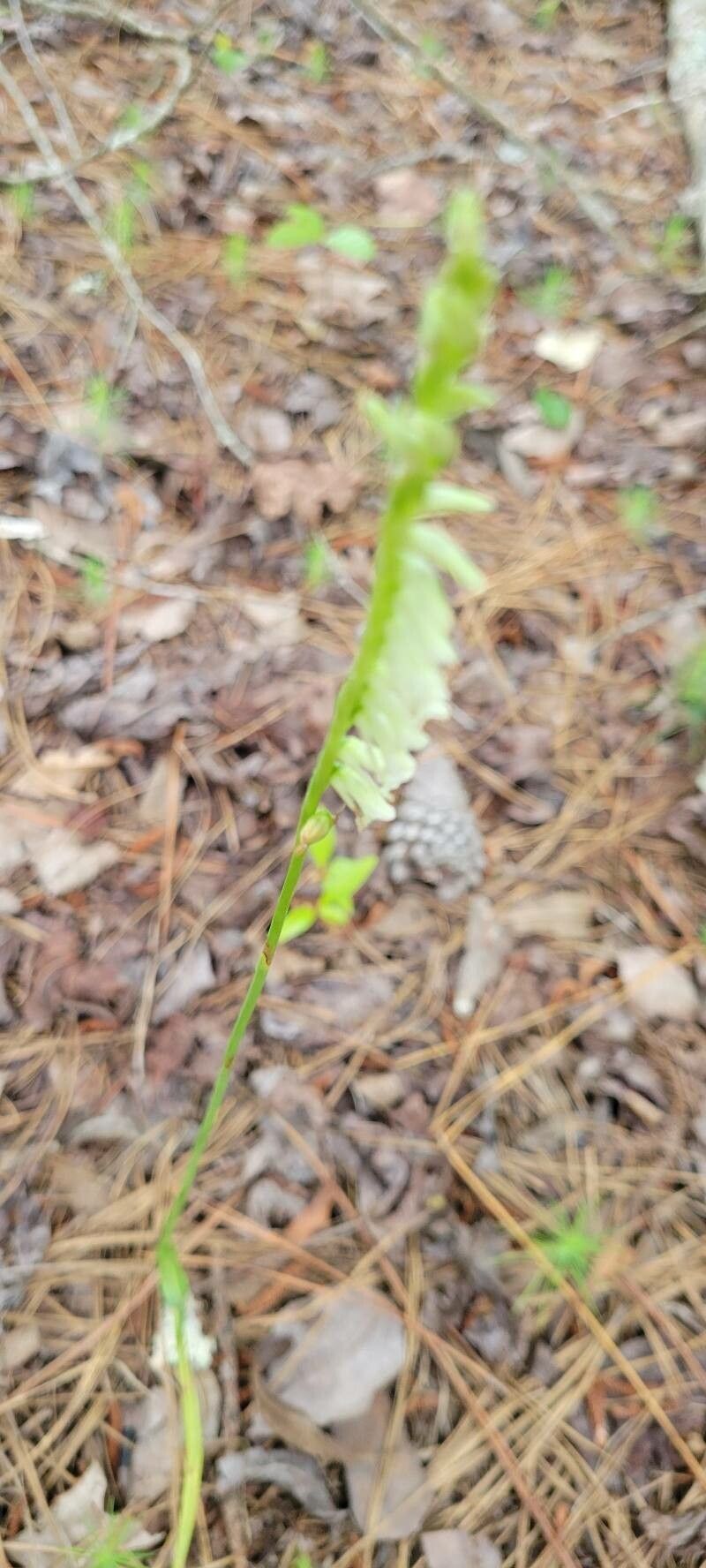
Unraveling the Secrets of the Early Spiranthes: Propagating the Spiranthes praecox
The Early Spiranthes (Spiranthes praecox), also known as the “Ladies’ Tresses,” is a captivating orchid that graces meadows and woodlands with its delicate, spiraling blooms. For those enchanted by this ethereal beauty, cultivating it at home may seem like an unachievable dream. But fear not, fellow plant enthusiasts! While sometimes perceived as temperamental, the Early Spiranthes can be successfully propagated with a touch of patience and a bit of knowledge.
Dive into the World of Seed Propagation
The most common and perhaps the most challenging approach to propagating Spiranthes praecox is through seeds. These minuscule seeds require specific conditions to germinate, making this method best suited for experienced growers.
- Collecting Seeds: The first step involves carefully collecting mature seed pods from the plant. Once the pods turn brown and dry, they can be harvested and the seeds extracted.
- Sterilizing: Seeds should be sterilized to eliminate potential fungal infections. A simple bleach solution (1 part bleach to 9 parts water) for a few minutes will do the trick.
- Specialized Medium: A sterile, nutrient-poor medium like sand or vermiculite is ideal for sowing the seeds.
- Light and Temperature: Seeds germinate best in a humid environment with indirect light and temperatures around 72 degrees Fahrenheit.
- Patience is Key: Germination can take up to several months, and the seedlings may be quite small and delicate for the first year or two.
Division: A Gentler Approach for Established Plants
Dividing an established Spiranthes praecox plant is a more forgiving propagation method. However, this method should only be employed for plants that are at least three years old and have formed a healthy clump.
- Timing is Crucial: The best time for division is in the spring, right before new growth emerges.
- Careful Separation: Gently divide the plant, ensuring each new division has some roots and foliage intact.
- Repotting: Each division should be planted in a pot filled with a well-draining potting mix, mimicking the soil conditions they thrive in.
- Patience and Observation: The newly divided plants will need time to establish themselves.
Don’t Forget the Essentials
Regardless of the propagation method you choose, providing proper care will significantly contribute to your success. Early Spiranthes require well-drained, acidic soil, and they prefer dappled sunlight in moist conditions. Moderate watering is crucial – ensure the soil is consistently moist but not soggy.
Ethical Considerations
As with any plant, ethical considerations are paramount. It’s crucial to remember that wild populations of Spiranthes praecox are often threatened by habitat loss and over-collection. Only propagate from plants that you have obtained legally and ethically.
Concluding Thoughts
Propagating Spiranthes praecox may seem daunting, but with the right approach and a little bit of patience, it is a rewarding experience. Witnessing these delicate orchids flourish from seed or thrive after division is a deeply fulfilling journey for any plant enthusiast. Remember, their beauty and fragility deserve respect, and by understanding their needs, we can contribute to their conservation and enjoy their ethereal presence for years to come.