
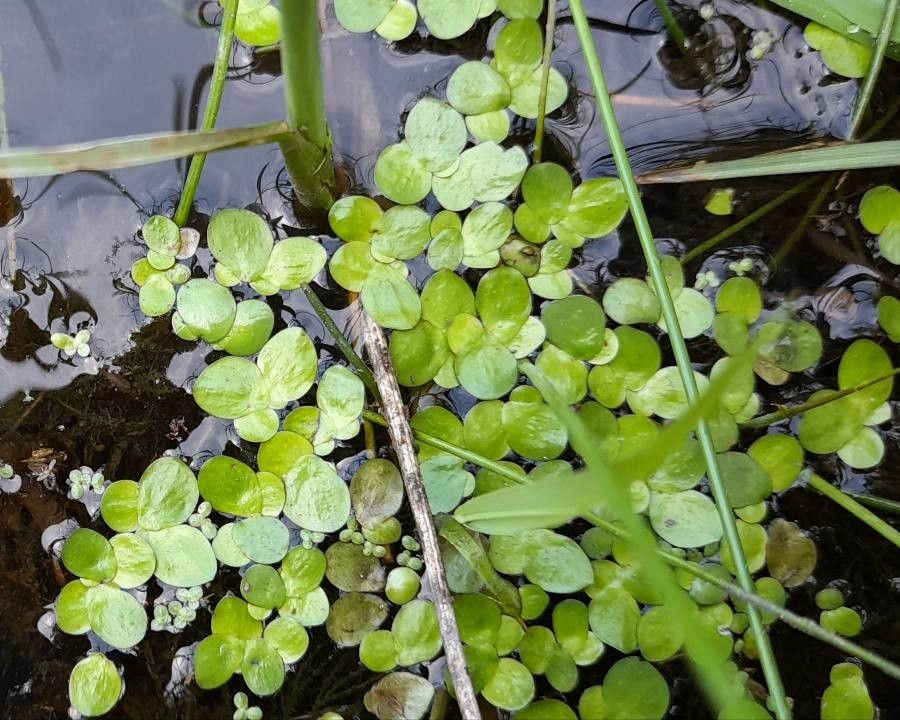
The Amazing World of Spirodela punctata: A Tiny Plant with a Giant Growth Potential
Have you ever heard of Spirodela punctata? You might know it more commonly as duckweed, a small, floating plant that often covers the surface of ponds and lakes. But don’t be fooled by its unassuming appearance! This tiny plant is a powerhouse of propagation and a fascinating example of how nature finds clever ways to thrive.
Spirodela punctata, along with other duckweed species, reproduce primarily through a process called vegetative propagation. This means they don’t rely on seeds or flowers to create new plants, but instead reproduce asexually through the formation of daughter fronds.
Think of it like a mini-plant factory! Each Spirodela punctata frond can produce multiple tiny daughter fronds that bud off from the parent. These daughter fronds mature quickly and begin to produce their own offspring, creating a rapid chain reaction of growth. This efficient method allows duckweed to colonize water surfaces with astonishing speed, covering entire ponds in a matter of days.
But the magic of Spirodela punctata’s propagation doesn’t stop there. It also possesses an incredible ability to fragment. If a frond is broken or accidentally separated, each piece can develop into a full-fledged, independent plant. This adaptability allows duckweed to spread even more efficiently.
Why is this rapid growth so important? Spirodela punctata plays a crucial role in aquatic ecosystems. It provides food and shelter for a wide variety of small organisms, from insects to fish. It also helps to improve water quality by absorbing excess nutrients and filtering out harmful pollutants.
But this rapid growth can also be a challenge. In some situations, duckweed can grow out of control, creating dense mats that block sunlight and suffocate other aquatic plants. This can lead to imbalances in the ecosystem and even harm fish populations.
So, how can we manage this amazing plant? Understanding Spirodela punctata’s propagation methods is crucial for effective management. By controlling nutrient levels in the water, removing excessive growth manually, or using natural predators like fish, we can maintain a healthy balance within our aquatic environments.
From a tiny frond to a sprawling green mat, Spirodela punctata’s story is a testament to the incredible resilience and adaptability of nature. It’s a reminder that even the smallest organisms can play vital roles in complex ecosystems. By understanding their unique methods of propagation, we can learn to appreciate their importance and manage them sustainably.