
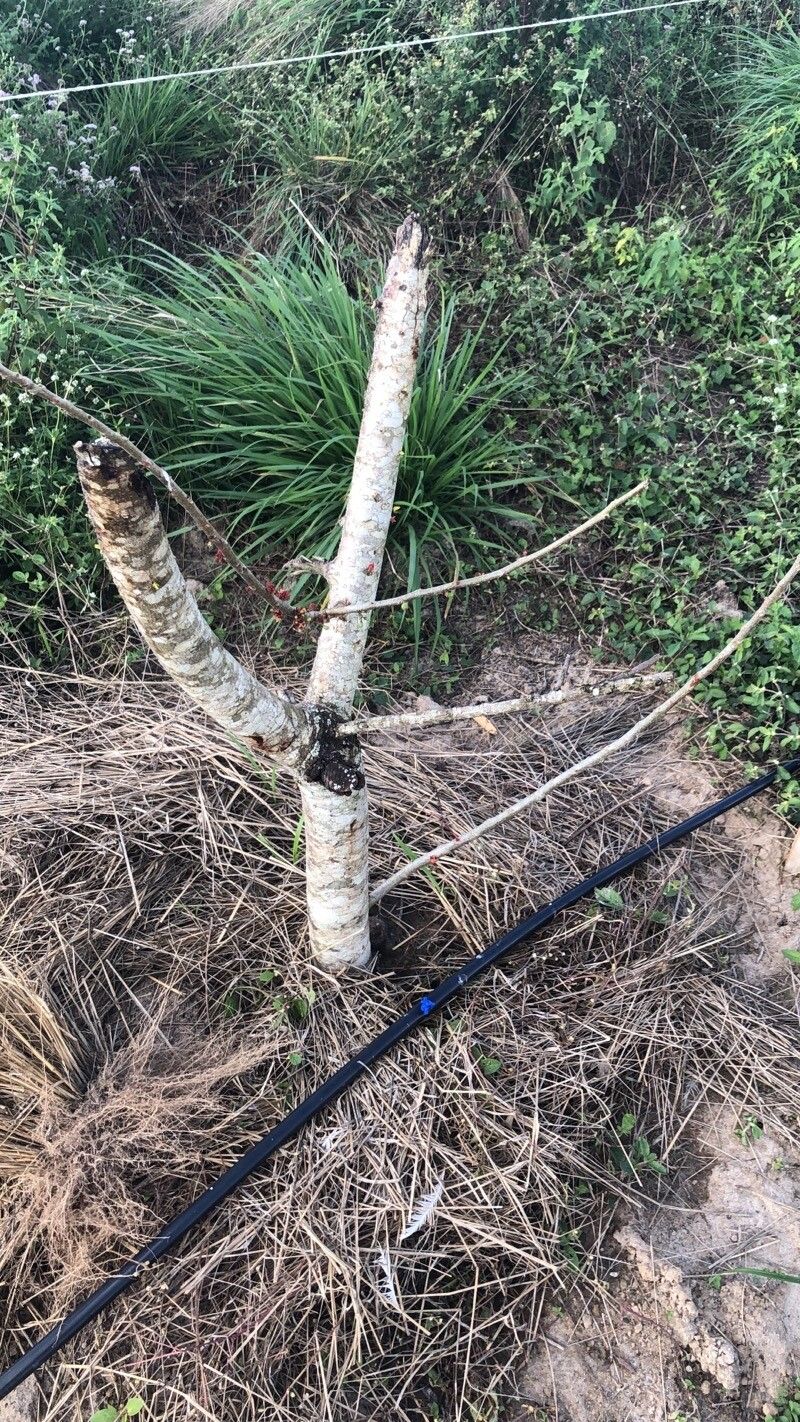
Unlocking the Secrets of the Ciriguela: A Propagation Guide for Spondias Bahiensis
The Ciriguela, also known as Spondias bahiensis, is a fruit tree native to Brazil that’s gaining popularity for its deliciously tart fruit and attractive foliage. This tropical beauty is relatively easy to grow in warm climates, but propagating it can be a bit of a mystery. Fret not, plant enthusiasts! This guide will unlock the secrets to successfully multiplying your Ciriguela trees, allowing you to share this exotic delight with friends and family.
Two Paths to Propagation: Seeds vs. Cuttings
Ciriguela can be propagated through two main methods: seeds and cuttings. Each has its own pros and cons, so choosing the one best suited for you depends on your resources and patience.
1. The Seed Route: A Test of Patience
- Pros: Readily available, inexpensive
- Cons: Can take years to bear fruit, genetic variability
The most accessible way to propagate Ciriguela is through seeds extracted from ripe fruits. After enjoying the juicy pulp, clean the large seed inside thoroughly to remove any fruit remnants. Let the seed air dry for a day or two before planting.
- Planting: Sow the seed about an inch deep in a well-draining potting mix. Keep the soil consistently moist but not waterlogged.
- Germination: Be prepared to wait! Seed germination can take anywhere from a few weeks to several months.
- Patience is Key: Seed-grown Ciriguela trees can take several years, sometimes up to five or more, to mature and bear fruit. Additionally, keep in mind that the resulting tree might not be identical to the parent plant due to genetic variations.
2. The Cutting Edge: Faster Results, Cloned Success
- Pros: Faster fruiting, replicates parent plant characteristics
- Cons: Requires a healthy parent tree, slightly more complex
For quicker results and a replica of the parent tree, propagating from cuttings is the way to go. This method involves taking a section of stem from a healthy, mature Ciriguela and encouraging it to develop roots.
- Timing is Everything: Choose semi-hardwood cuttings, which are branches that have started to mature but are still somewhat flexible, ideally from late spring to early summer.
- Take the Cut: Select a healthy branch with new growth. Using clean, sharp pruning shears, cut a 6-8 inch section just below a leaf node. Remove the leaves from the lower half of the cutting.
- Hormone Boost: Dip the cut end in rooting hormone powder to encourage root development (optional but recommended).
- Planting the Cutting: Plant the cutting in a pot filled with a well-draining rooting mix. Keep the soil consistently moist and provide indirect sunlight.
- Root Development: With proper care, roots should develop within a few weeks to a couple of months. Once you see new growth, you can transplant the cutting into a larger pot or directly into the ground.
Nurturing Your Ciriguela Progeny
Regardless of your chosen propagation method, young Ciriguela trees thrive in well-draining soil and full sun to partial shade. Water regularly, especially during dry spells, and fertilize every few months during the growing season with a balanced fertilizer.
Propagating your own Ciriguela tree is a rewarding experience that allows you to savor the unique flavor of this tropical gem for years to come. So go ahead, choose your propagation path, and get ready to enjoy the fruits of your labor!