
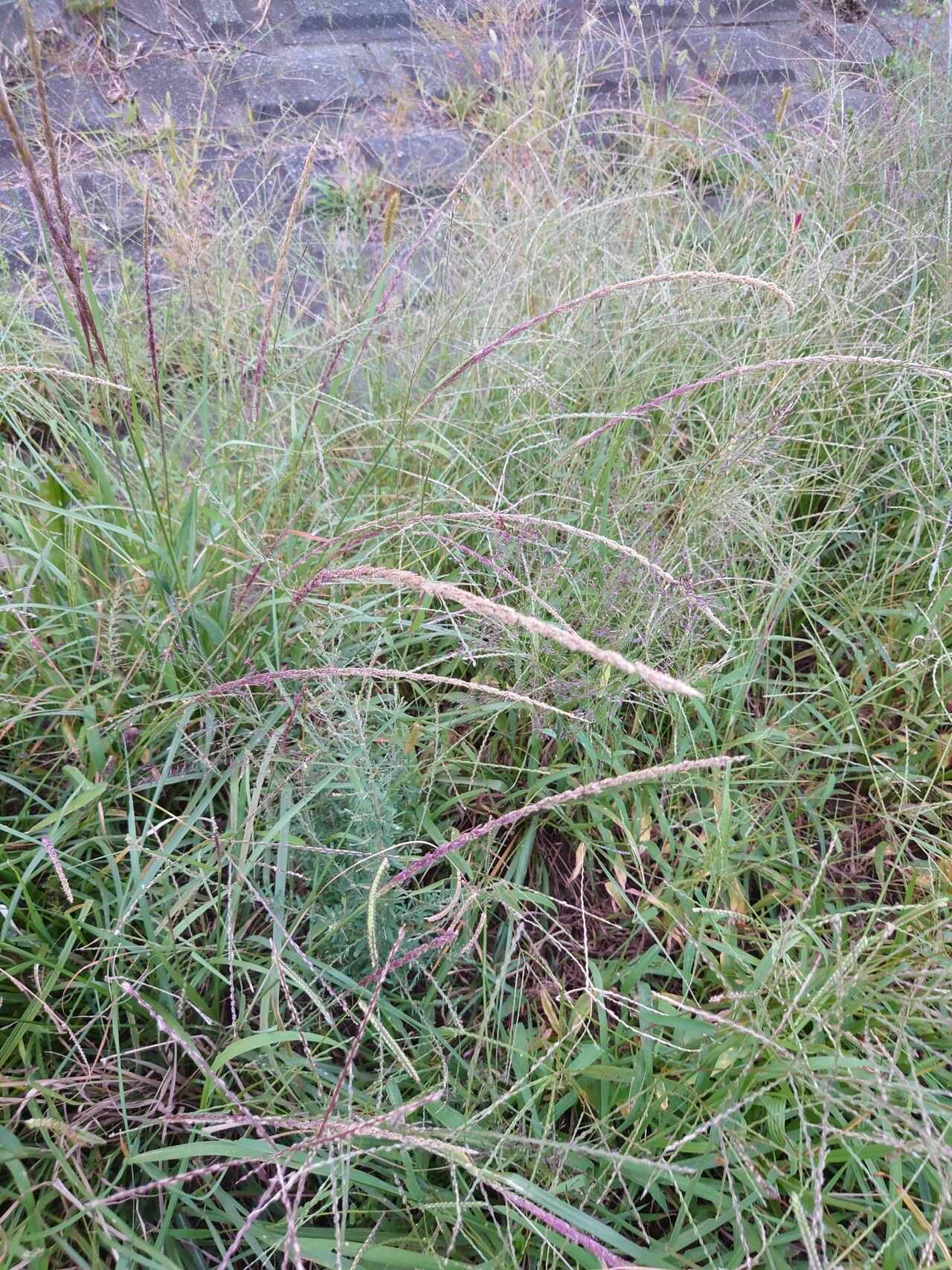
Unlocking the Secrets of Dropseed Propagation: A Guide to Multiplying Your Sporobolus fertilis
Sporobolus fertilis, more commonly known as giant dropseed, is a landscaping favorite revered for its graceful, cascading foliage and airy, delicate flower plumes. This clumping grass brings texture and movement to gardens, creating a visually stunning spectacle, especially when planted in masses. But how do you go about multiplying this graceful beauty and filling your garden with its captivating presence?
Luckily, propagating Sporobolus fertilis is a relatively straightforward process that even novice gardeners can master. This comprehensive guide will walk you through the two most popular methods:
1. Division – The Simplest Route to Propagation:
Division is the most common and arguably the easiest way to propagate your giant dropseed. It involves digging up an established clump and dividing it into smaller sections, each capable of developing into an independent plant. Here’s how:
- Timing is Key: Early spring, just as new growth appears, is the optimal time for division. This allows the divided sections ample time to establish themselves before the arrival of summer’s heat.
- Divide and Conquer: Carefully dig up the entire clump, ensuring minimal root disturbance. Using a sharp, clean knife or garden spade, divide the clump into sections, each containing a healthy root system and several shoots.
- Replanting: Select a sunny location with well-drained soil for your new divisions. Plant them at the same depth they were originally growing, making sure the crown (where the roots meet the shoots) is level with the soil surface. Water thoroughly.
2. Seed Starting – Embarking on a More Adventurous Journey:
While division offers a quicker path to maturity, starting Sporobolus fertilis from seed provides a rewarding experience and often proves more cost-effective, especially when you desire numerous plants. Here’s the lowdown:
- Seed Collection: Harvest mature seed heads from existing plants in late summer or early fall. Look for seeds that are plump and easily detach from the plume. Allow them to dry completely in a well-ventilated area.
- Sowing the Seeds: Start seeds indoors 6-8 weeks before the last expected frost. Sow seeds in a seed-starting mix, barely covering them with soil. Keep the soil consistently moist but not waterlogged.
- Light and Warmth: Place your seed trays in a warm, bright location, out of direct sunlight. A heat mat can be beneficial in maintaining a consistent temperature for successful germination.
- Transplanting Time: Once the danger of frost has passed and your seedlings have developed a strong root system, they are ready to be transplanted outdoors into their permanent locations.
Nurturing New Growth – Tips for Success:
Irrespective of the propagation method you choose, providing optimal conditions will ensure your Sporobolus fertilis thrives:
- Sunlight is Essential: Giant dropseed flourishes in full sun, requiring a minimum of 6 hours of direct sunlight daily.
- Well-Drained Soil is Crucial: Avoid heavy clay soils that can lead to root rot. Amend your soil with compost or other organic matter to enhance drainage.
- Watering Wisely: While established plants are relatively drought tolerant, consistently moist soil is essential for newly planted divisions or seedlings. Gradually reduce watering frequency as the plants mature.
Propagating Sporobolus fertilis is a fulfilling way to expand your garden’s beauty while gaining a deeper understanding of this captivating grass. So, choose your preferred method, gather your gardening tools, and embark on a journey of multiplying these botanical wonders in your own backyard!