
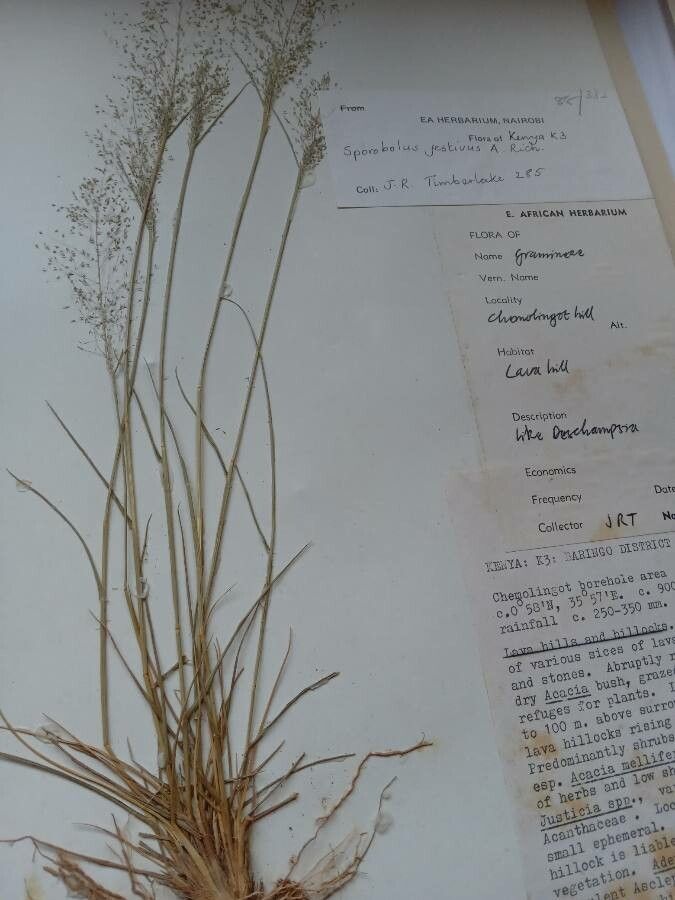
Growing More of the Good Stuff: A Look at Propagating Sporobolus Festivus
Sporobolus festivus, commonly known as “feathertop grass,” is a graceful and striking addition to any garden. Its feathery seedheads sway in the wind, adding a touch of elegance and movement to landscapes. But what if you could enjoy even more of this beauty? The good news is that propagating Sporobolus festivus is relatively easy, allowing you to expand your own personal “feathertop” kingdom!
Let’s Explore the Options
There are two primary methods for propagating Sporobolus festivus: seed propagation and division.
1. Seed Propagation: A Journey of Growth
- Collecting Seeds: While you can purchase seeds, collecting them yourself is a rewarding experience. Wait until the seedheads have fully matured and turned a golden brown. Carefully harvest the seedheads and then gently shake them into a container to release the seeds.
- Preparing for Sowing: Sow the seeds in a well-draining seed starting mix. Lightly cover them with soil and mist them with water. Keep the soil moist but not soggy.
- Germination: Sporobolus festivus seeds can take anywhere from 14 to 30 days to germinate. Provide a warm, sunny location for the seed trays. Once seedlings have developed a few true leaves, you can transplant them into individual pots or directly into the ground.
2. Division: Quick and Easy Multiplication
- Timing is Key: The best time for dividing Sporobolus festivus is in early spring or late summer. This allows the plants to establish themselves before the cold winter weather arrives.
- Prepare the Plant: Carefully dig out the clump of Sporobolus festivus. Using a sharp knife or spade, divide the plant into several smaller sections, ensuring each section has healthy roots.
- Planting the Divisions: Immediately plant the divisions in well-prepared beds or pots. Water them thoroughly and provide some shade until they become established.
Tips for Success
- Soil: Sporobolus festivus thrives in well-draining soil. Amend your soil with compost or sand if necessary.
- Light: This grass prefers full sun to partial shade. In hot climates, providing some afternoon shade can help prevent scorching.
- Water: Sporobolus festivus is drought-tolerant once established, but regular watering is essential during the first year. Avoid overwatering, as this can lead to root rot.
- Fertilization: Sporobolus festivus is a low-maintenance grass and requires minimal fertilization. Feeding with a balanced fertilizer a couple of times during the growing season can encourage healthy growth.
Beyond the Garden
While Sporobolus festivus is a beautiful ornamental grass, it also has ecological benefits. Its feathery seedheads provide habitat for birds and other small animals. Its deep root system helps prevent soil erosion.
Final Thoughts
Growing your own Sporobolus festivus through seed propagation or division is a rewarding experience. You’ll enjoy the beauty of this captivating grass while contributing to the health of your garden ecosystem. So, start gathering those seedheads or grab your spade and prepare to be amazed by the ease and success of multiplying your “feathertop” treasures.