
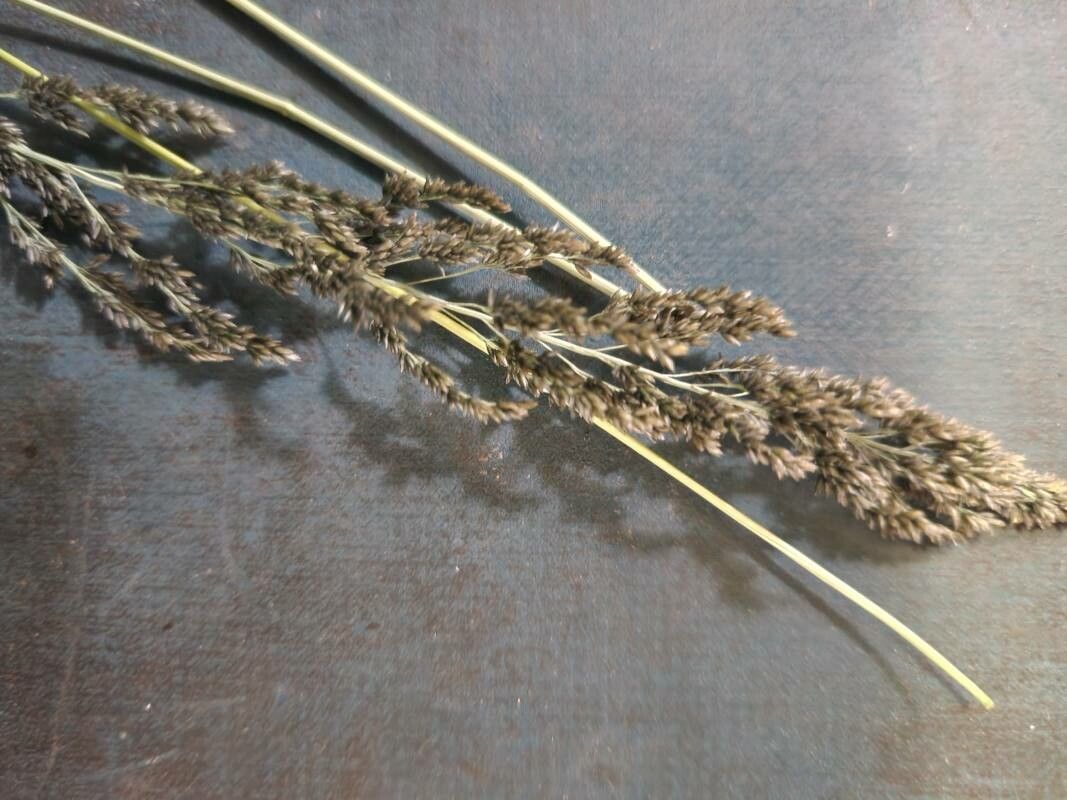
From Seeds to Success: Propagating Sporobolus pellucidus, the “See-Through” Grass
Sporobolus pellucidus, with its delicate, almost translucent leaves, is a captivating ornamental grass that adds a graceful touch to landscaping. But did you know you can easily multiply this beauty yourself? This guide will walk you through the fascinating world of propagating Sporobolus pellucidus, taking you from seed to thriving plant.
Seeds of Potential:
The most common and rewarding method of propagation for Sporobolus pellucidus is through seeds. This grass is a prolific seed producer, making it a relatively easy plant to start from scratch. Here’s how to embark on this rewarding journey:
Harvesting Seeds: Late summer or early fall is the prime time for harvesting Sporobolus pellucidus seeds. Look for mature seed heads that have turned a light brown color. Carefully cut the seed heads and allow them to dry in a cool, dry place. Once dry, gently rub the seeds out of the heads and store them in an airtight container in a cool, dark location.
- Sowing Seeds: Spring is the ideal time to sow your Sporobolus pellucidus seeds. You can either directly sow the seeds into the ground or start them indoors in a seed tray. For direct sowing, simply scatter the seeds on prepared soil, lightly rake them in, and water gently. If starting indoors, fill the seed trays with a well-draining seed starting mix, sow the seeds, and cover lightly with soil. Maintain a consistently moist environment, and within a few weeks, you should see tiny green sprouts.
Division for a Quicker Growth:
While seed propagation is a fun and exciting option, those who seek faster results can opt for division. Dividing established plants allows for expedited growth and is relatively straightforward.
Timing is Key: Early spring or late fall are the ideal times for dividing Sporobolus pellucidus. It’s best to do this when the plant is dormant to minimize stress.
- The Division Process: Carefully dig up the plant and gently separate it into smaller clumps. Ensure each division has healthy roots and several shoots. Replant the divisions in a new location with well-draining soil, ensuring adequate space for growth.
Cultivating Success:
Regardless of your chosen propagation method, it’s essential to provide your Sporobolus pellucidus with the optimal care for its best growth. These are some key factors to keep in mind:
Sunlight: Sporobolus pellucidus thrives in full sun, receiving at least 6 hours of direct sunlight per day.
Soil: Well-draining soil is crucial, as this grass is susceptible to root rot. A sandy loam or a mix of potting soil and perlite is ideal.
Watering: Water regularly, keeping the soil consistently moist but not soggy. Allow the top inch of soil to dry out slightly between watering.
- Fertilizing: Sporobolus pellucidus is a low-maintenance plant, but a light application of balanced fertilizer in spring can boost its growth.
Beyond the Garden:
The beauty of Sporobolus pellucidus goes beyond its captivating appearance. This drought-tolerant grass is a natural beauty and a valuable resource for various purposes. It can be used for erosion control, creating windbreaks, and even adding textural interest to a wildflower meadow. Its versatility makes it a truly beneficial addition to any landscape.
Propagating Sporobolus pellucidus isn’t just a gardening task; it’s a rewarding process that connects you with nature. Seeing these delicate, see-through leaves unfurl from a seed or emerge from a newly divided clump is a testament to the wonder of life and the potential for growth we can cultivate in our own backyards.