
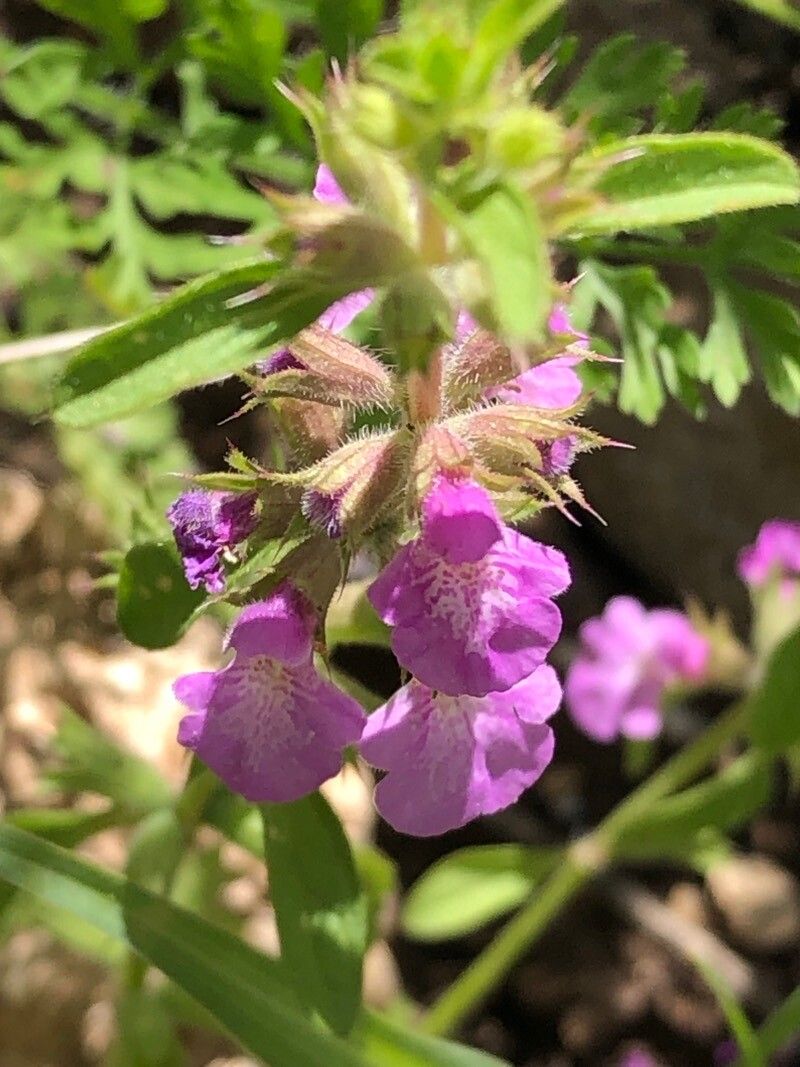
Unearthing the Secrets of Drummond’s Betony: A Guide to Propagation
Drummond’s betony (Stachys drummondii) is a charming perennial with delicate, velvety leaves and spikes of pale pink to purple flowers, adding a touch of whimsical beauty to any garden. Native to Texas and parts of Mexico, this drought-tolerant sun worshiper is a favorite among pollinators and a low-maintenance option for gardeners of all levels.
While finding Drummond’s betony at your local nursery can be a gamble, propagating your own is surprisingly simple. Let’s delve into the different methods and uncover the secrets to expanding your betony bounty:
1. Seed Starting: A Rewarding Journey from Tiny Seed to Blooming Beauty
Starting Drummond’s betony from seed is an economical and satisfying way to multiply your plants. Here’s how:
- Timing is Key: Begin sowing indoors 6-8 weeks before the last expected frost in your region. This provides a head start and ensures robust plants for spring planting.
- Sowing the Seeds: Use a well-draining seed starting mix and lightly press the seeds into the surface. Don’t bury them deep, as they need light to germinate.
- Warmth and Moisture: Maintain a consistent temperature of 70-75°F and keep the soil consistently moist but not waterlogged. A humidity dome can help retain moisture.
- First Sprouts: Germination typically takes 10-14 days. Once seedlings emerge, remove the dome and provide ample indirect sunlight.
- Transplanting Time: After the last frost, gradually acclimate the seedlings to outdoor conditions for a week before transplanting them to their final location.
2. Division: Sharing is Caring, Especially for Drummond’s Betony
Dividing established clumps is an effective method to propagate Drummond’s Betony in spring or fall:
- Digging Deep: Carefully dig around the plant, ensuring you capture the entire root system.
- Division Time: Gently separate the clump into smaller sections, making sure each division has a healthy amount of roots and shoots.
- Replanting: Replant the divisions at the same depth they were previously growing, water thoroughly, and mulch to help retain moisture.
3. Cuttings: Cloning Your Favorite Clump
Taking stem cuttings offers another simple method for propagating Drummond’s Betony:
- Selecting the Right Cuttings: In spring or early summer, choose healthy stems that are free of flowers or buds.
- Making the Cut: Using sharp, sterilized shears, cut a 4-6 inch long piece of stem just below a leaf node. Remove the lower leaves, leaving 2-3 pairs at the top.
- Hormone Boost (Optional): Dipping the cut end in rooting hormone powder can encourage faster root development.
- Planting the Cuttings: Plant the cuttings in a well-draining potting mix, burying the bottom node or two.
- Moisture and Patience: Keep the soil consistently moist and place the cuttings in a warm, humid environment (a plastic bag over the pot works well). Roots should develop within 4-6 weeks.
Tips for Propagation Success:
- Well-Draining Soil: Drummond’s betony thrives in well-draining soil. Amend heavy clay soils with compost before planting.
- Sunlight Requirements: Choose a location that receives at least 6 hours of sunlight per day.
- Watering Wisely: Water deeply but infrequently, allowing the soil to dry out slightly between watering.
- Pest and Disease Control: Monitor plants for common pests and disease, and take appropriate action if needed.
By following these simple techniques, you’ll be well on your way to cultivating a thriving patch of Drummond’s betony. This resilient and charming plant will reward your efforts with a beautiful display of unique foliage and delicate blooms, attracting pollinators and adding a touch of Texas charm to your garden.