
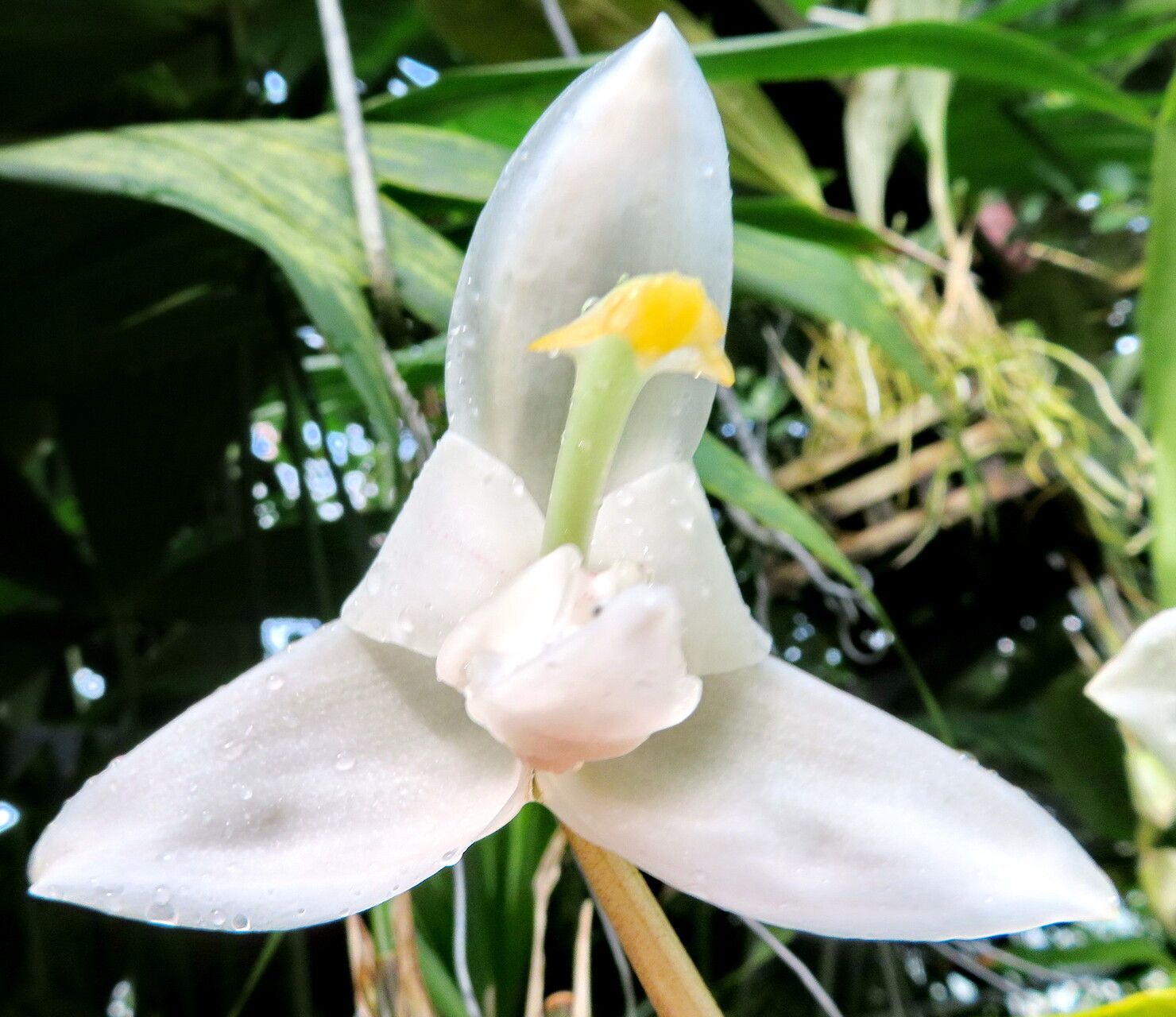
Unlocking the Secrets of Orchid Propagation: A Guide to Multiplying Your Stanhopea candida
Stanhopea candida, with its exquisite white blooms and intoxicating fragrance, is a prized possession for any orchid enthusiast. But what if you could share the beauty of this stunning species with others? With the right techniques, propagating your Stanhopea candida is possible, allowing you to grow your collection or share a piece of this tropical wonder with friends.
Understanding the Basics:
Stanhopea candida, like most orchids, is a fascinating plant with a unique reproductive strategy. Unlike most orchids, they don’t rely solely on seeds for propagation. Instead, the most common method is division, which involves separating healthy portions of the plant, each containing roots and a viable growth point.
Division: The Most Feasible Option
The ideal time for division is usually after the plant has finished flowering. Here’s how to approach this method:
Prepare Your Tools: Gather a sharp, sterilized knife or pruning shears. You’ll also need a sterilized potting mix and pots suitable for orchid growth.
Gentle Removal: Carefully remove the plant from its pot. Examine the rhizome (the creeping stem) for healthy growth points, each with its own set of roots.
Divider’s Touch: With a clean and sharp knife, cut the rhizome into sections, ensuring each section has at least one healthy growth point and a good root system.
Potting and Care: Plant each divided section in a well-draining pot with fresh orchid mix, burying the base of the growth point slightly. Water sparingly and provide moderate humidity.
- Patience is Key: Be patient! Newly divided orchids might take some time to establish themselves. Monitor the soil moisture, and provide consistent humidity and warmth.
Seed Propagation: An Advanced Technique
While division is the preferred method for Stanhopea candida propagation, seed propagation is a challenging but rewarding option.
Pollen and Stigma: Firstly, you need pollen from another Stanhopea candida plant to fertilize the stigma of the flower.
Capsule Formation: A successful pollination will result in a seed capsule that takes several months to mature.
Sterile Environment: Once mature, the capsule needs to be carefully opened in a sterile environment to extract the tiny dust-like seeds.
Sterile Media: These seeds need to be grown in a sterile media like agar, in a controlled environment.
- Time and Patience: This process requires a significant amount of expertise, and the seedlings will take a few years to reach maturity.
Beyond the Basics
- Environment Matters: Keep in mind that Stanhopea candida thrives in warm, humid conditions. Replicating these conditions is crucial for successful propagation.
- Don’t Rush: Patience is vital to the process. Newly divided plants may not bloom for a year or two, while seed-grown orchids could take up to five years.
- Research is Key: Before starting, thorough research is recommended. Numerous resources, including online forums and books, can provide valuable insights and tips.
Conclusion
Propagating your Stanhopea candida is a satisfying and rewarding journey. While division is the preferred method for hobbyists, seed propagation offers a fascinating alternative. Understanding the process, mastering the techniques, and providing optimal care will set you on the path to multiplying your collection of these beautiful and captivating orchids. So, arm yourself with knowledge, patience, and a touch of orchid magic, and venture into the exciting world of Stanhopea candida propagation!