
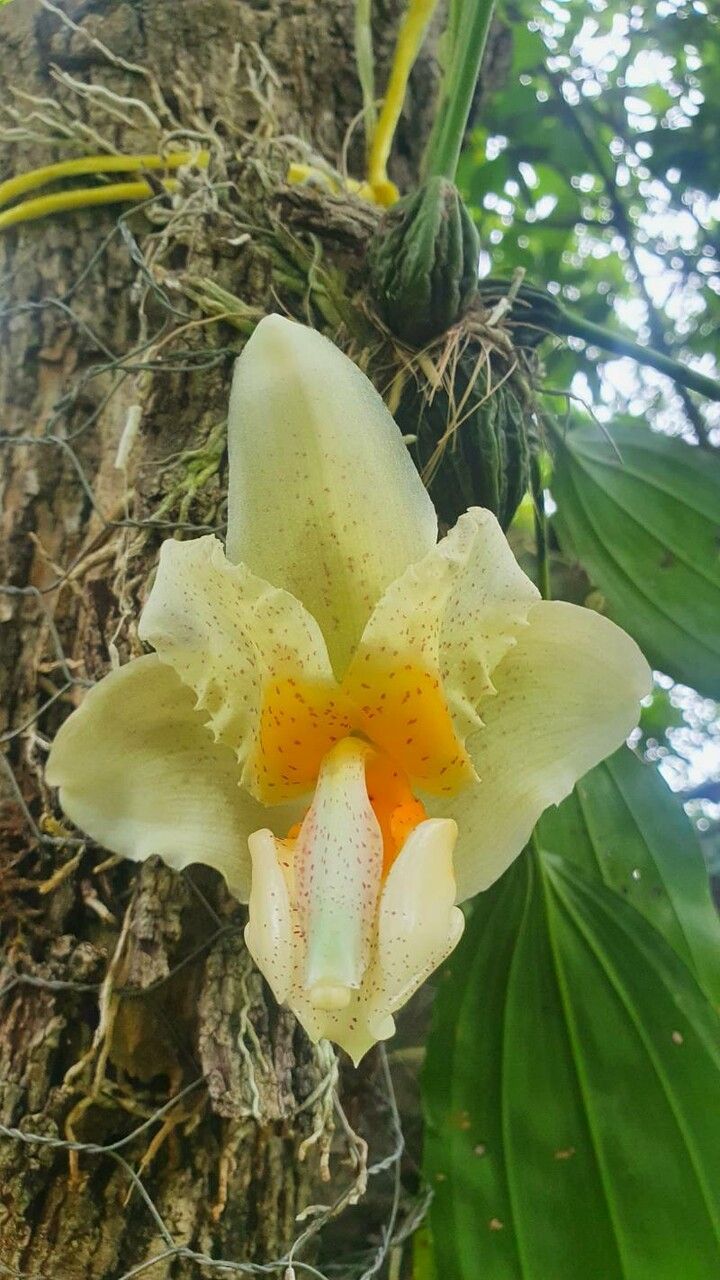
Unlocking the Secrets of Stanhopea pseudoradiosa Propagation: A Guide to Multiplying Your Orchid Marvel
Stanhopea pseudoradiosa, with its cascading blooms and intoxicating fragrance, is a truly captivating orchid. Often dubbed the “inverse orchid” due to its downward-growing flowers, this epiphytic beauty can feel like a prized possession for any collector. But what if you could multiply your joy – and your orchids? Let’s delve into the techniques of propagating Stanhopea pseudoradiosa and unveil the secrets to expanding your orchid family.
Understanding the Basics
Before diving into the specifics, it’s crucial to understand that orchid propagation requires patience and a gentle touch. Unlike some plants that readily root from cuttings, Stanhopea pseudoradiosa propagation primarily relies on division.
Division: The Art of Separation
The most reliable method of propagating Stanhopea pseudoradiosa is through division, ideally undertaken during spring when the plant is actively growing. Here’s a step-by-step guide:
Timing is Key: Choose a time when your orchid is actively producing new growth. This ensures the divisions have the best chance of establishing themselves.
Gentle Removal: Carefully remove the orchid from its pot, taking care not to damage the roots.
Identify Divisions: Look for pseudobulbs (the thickened, bulb-like structures) with at least 3-4 healthy growths each. These will form your new plants.
Sterilized Tools: Using a sterilized knife or shears, carefully separate the pseudobulbs, ensuring each division has a good root system.
- Potting the Divisions: Plant each division in a well-draining orchid mix, ensuring the base of the pseudobulbs is level with the surface.
Providing the Optimal Environment
Once potted, your new Stanhopea pseudoradiosa divisions need the right conditions to thrive:
Bright, Indirect Light: Mimic their natural epiphytic environment by providing bright, indirect light. Avoid direct sunlight, which can scorch their leaves.
Humidity is Key: Aim for a humidity level of 60-70%, which can be achieved through frequent misting, grouping plants, or using a humidifier.
Consistent Watering: Water thoroughly when the potting mix approaches dryness, allowing excess water to drain completely.
- Fertilize Regularly: Use a balanced orchid fertilizer diluted to half strength every other week during the growing season.
Patience is a Virtue
Remember, propagating orchids is a rewarding but gradual process. It may take several months for your Stanhopea pseudoradiosa divisions to show significant new growth. Be patient, maintain consistent care, and you’ll soon be rewarded with a flourishing orchid collection!
Beyond Division: Exploring Other Possibilities
While division is the most common method, experienced growers may experiment with propagating Stanhopea pseudoradiosa from seed. This method is significantly more challenging and requires specialized knowledge and equipment.
Embracing the Journey
Propagating Stanhopea pseudoradiosa is a journey of patience, observation, and ultimately, immense satisfaction. It allows you to multiply not just your orchids, but also the joy and captivating beauty they bring to your home. So, embrace the challenge, follow these tips, and watch as your orchid passion flourishes alongside your newfound propagations!