
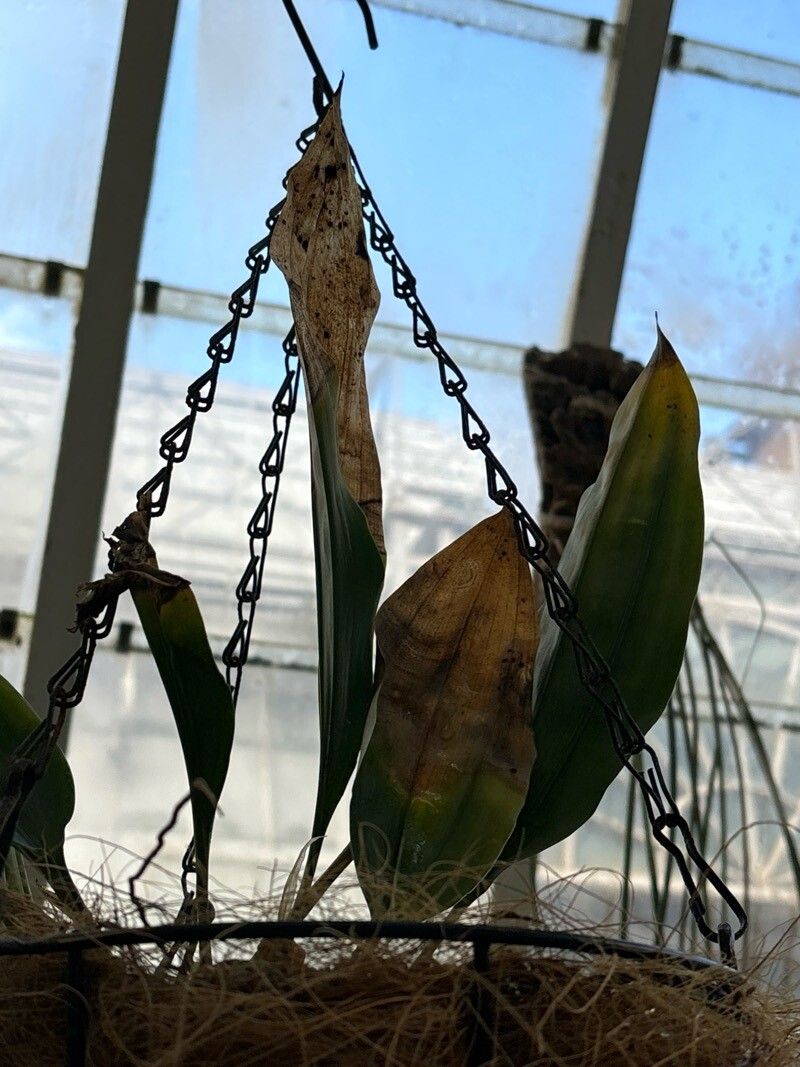
Propagating Stanhopea whittenii: A Challenge Worth Embracing
Stanhopea whittenii, also known as the Whitten’s Stanhopea, is a captivating orchid species prized for its exquisitely fragrant, pendant flowers that bloom from its base, a characteristic unique to the Stanhopea genus. Its large, showy blooms, often boasting intricate markings and deep colors, have cemented its popularity among orchid enthusiasts. However, its propagation presents unique challenges, making successful cultivation all the more rewarding.
Seed Germination:
Currently, there are no known reliable methods for seed germination propagation of Stanhopea whittenii. The seeds of Stanhopea orchids are extremely fine and require a highly specialized symbiotic relationship with specific mycorrhizal fungi for germination. This symbiotic relationship is incredibly difficult to replicate in a laboratory or home setting. Therefore, seed germination is not a practical method for propagating this species.
Cuttings:
Cuttings are not a viable propagation method for Stanhopea whittenii. Unlike some orchids that can be propagated from stem cuttings, Stanhopea orchids lack the necessary regenerative capabilities in their stems. Attempts at vegetative propagation through cuttings will almost certainly result in failure.
Division:
Division is the most common and reliable method for propagating Stanhopea whittenii. This involves carefully separating a mature plant into multiple divisions, each containing healthy pseudobulbs and roots. However, this method presents its own set of challenges:
Challenges: The pseudobulbs are often densely packed, making clean separation difficult. Damaging the roots during division can severely impact the survival rate of the new plants. Furthermore, only mature plants with well-established root systems are suitable for division, limiting the availability of propagules.
Practical Tips: Sterilize your tools before division to prevent infection. Use a sharp knife or garden shears to make clean cuts between pseudobulbs. Ensure each division has several healthy pseudobulbs and a good root system. Plant the divisions in a well-draining, orchid-appropriate medium and maintain high humidity and consistent moisture until they re-establish themselves.
- Rewards: Division offers a relatively straightforward method for increasing the number of plants, preserving the genetic characteristics of the parent plant.
Tissue Culture:
Tissue culture offers a potential, albeit complex, method for propagating Stanhopea whittenii. This laboratory-based technique involves growing plant tissues in a sterile environment on a nutrient-rich medium.
Challenges: Establishing a sterile environment and mastering the specific nutrient requirements for Stanhopea whittenii tissue culture are highly technical and require specialized equipment and expertise. Contamination is a significant risk, and obtaining the necessary sterile materials can be challenging.
Practical Tips: This method is best left to experienced tissue culture laboratories. If attempting this, rigorous sterilization and adherence to established protocols are paramount.
- Rewards: Tissue culture allows for large-scale propagation and the potential elimination of diseases. Germplasm preservation is another advantage.
Conclusion:
Propagating Stanhopea whittenii presents significant challenges, with division offering the only readily accessible method for most enthusiasts. While seed germination and cuttings are not viable, tissue culture provides a potentially high-yield option but demands significant technical expertise. The rewards, however, are immense. The satisfaction of successfully nurturing a tiny division into a mature, flowering plant, knowing the difficulties overcome, is a deeply rewarding experience. For aspiring propagators, starting with a healthy, mature plant and focusing on the division method is recommended. Patience, meticulous care, and a keen understanding of the plant’s needs are crucial for success. The unique beauty and fragrance of Stanhopea whittenii make the considerable effort undeniably worthwhile.
