
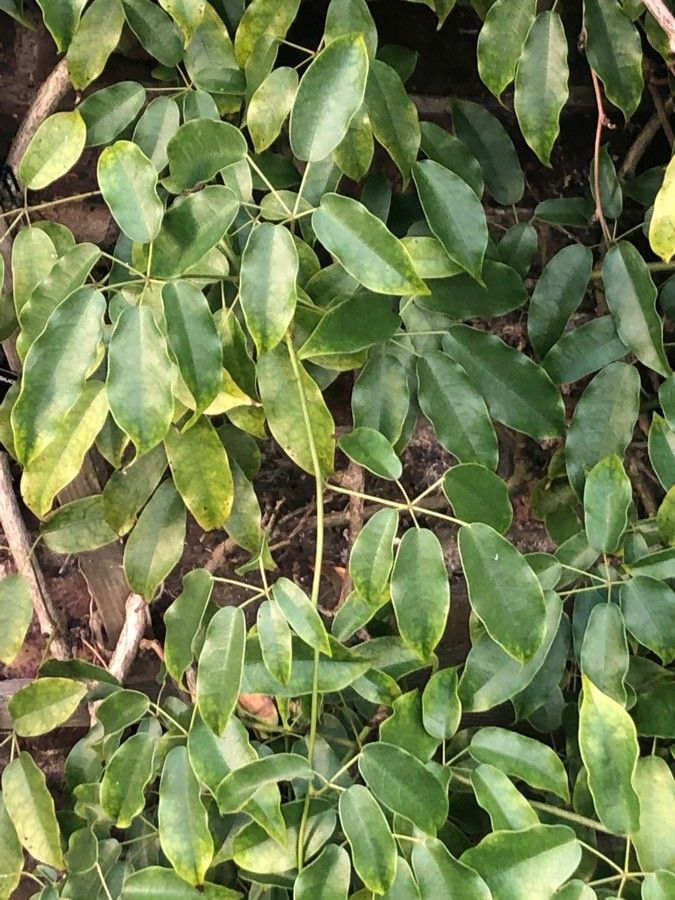
Propagating Stauntonia obovatifoliola: A Gardener’s Guide to a Rare Beauty
Stauntonia obovatifoliola, also known as the ovate-leafed Stauntonia or sometimes simply as a Staunton vine, is a relatively rare and underappreciated vine prized for its glossy, evergreen foliage and attractive, fragrant flowers. Its vigorous growth habit and ability to climb makes it a desirable plant for covering walls, fences, or trellises, adding a touch of exotic elegance to any garden. However, its relatively uncommon status means propagation can present some unique challenges. This article explores the various methods available, outlining their respective successes and difficulties.
Seed Germination:
Currently, there are no known reliable methods for seed germination propagation of Stauntonia obovatifoliola. While seeds may occasionally germinate under ideal conditions, the success rate is extremely low, and consistent replication of these conditions has not been documented. Further research into the specific germination requirements of this species is needed.
Cuttings:
Propagating Stauntonia obovatifoliola from cuttings offers a more promising approach than seed germination.
Challenges: Success rates can vary depending on timing, technique, and environmental factors. The semi-hardwood cuttings are preferred, taken during late summer or early autumn. Maintaining humidity and preventing fungal diseases are crucial.
Practical Tips: Take 4-6 inch long cuttings from semi-hardwood stems, removing lower leaves to prevent rot. Dip the cut ends in rooting hormone and plant in a well-draining medium like a perlite and peat moss mix. Maintain high humidity using a propagator or plastic bag, and provide bottom heat for optimal rooting. Regular misting is essential to prevent dehydration.
- Rewards: Cuttings readily produce genetically identical plants, ensuring uniformity within a garden setting. This method is also relatively quick, with rooting often occurring within several weeks to months.
Division:
Division is a viable propagation method, particularly for established plants.
Challenges: This method is only suitable when the plant is sufficiently large and mature to be safely divided. Damage to the root system during division should be minimized to maintain the plants’ viability. The process is also labour intensive.
Practical Tips: Divide the plant during the dormant season (late autumn or winter), ensuring each division has sufficient root mass and healthy shoots. Plant each division immediately in well-prepared soil, to reduce stress.
- Rewards: Division is a fast and relatively reliable method, generating new plants much quicker than from cuttings. It’s a simple method suited for gardeners already possessing mature plants.
Tissue Culture:
Tissue culture offers the potential for large-scale propagation of Stauntonia obovatifoliola.
Challenges: This method requires specialized equipment and a sterile laboratory environment. Developing an effective protocol for successful tissue culture is complex and may require extensive experimentation to determine optimal media and growth hormones. This method might not be practical for home gardeners.
Practical Tips: This technique is best left to professionals or specialized laboratories. Protocols will need to be developed specifically focusing on Stauntonia obovatifoliola, using various combinations of plant growth regulators and media components.
- Rewards: Tissue culture offers the possibility of mass propagation, rapid multiplication, and disease-free plants. It’s the only method offering significant potential for large scale propagation of this plant.
Conclusion:
Propagating Stauntonia obovatifoliola presents several challenges. While seed germination is unreliable, cuttings and division are viable options for home gardeners, with cuttings having slightly better consistency. Tissue culture holds the greatest potential for large-scale propagation but requires specialized expertise and resources. The rewards, however, are well worth the effort. Successful cultivation of this uncommon and beautiful vine offers a profound sense of accomplishment. Remember to be patient, meticulous in your techniques, and persistent in your efforts. The unique beauty of Stauntonia obovatifoliola will make the journey worthwhile.