
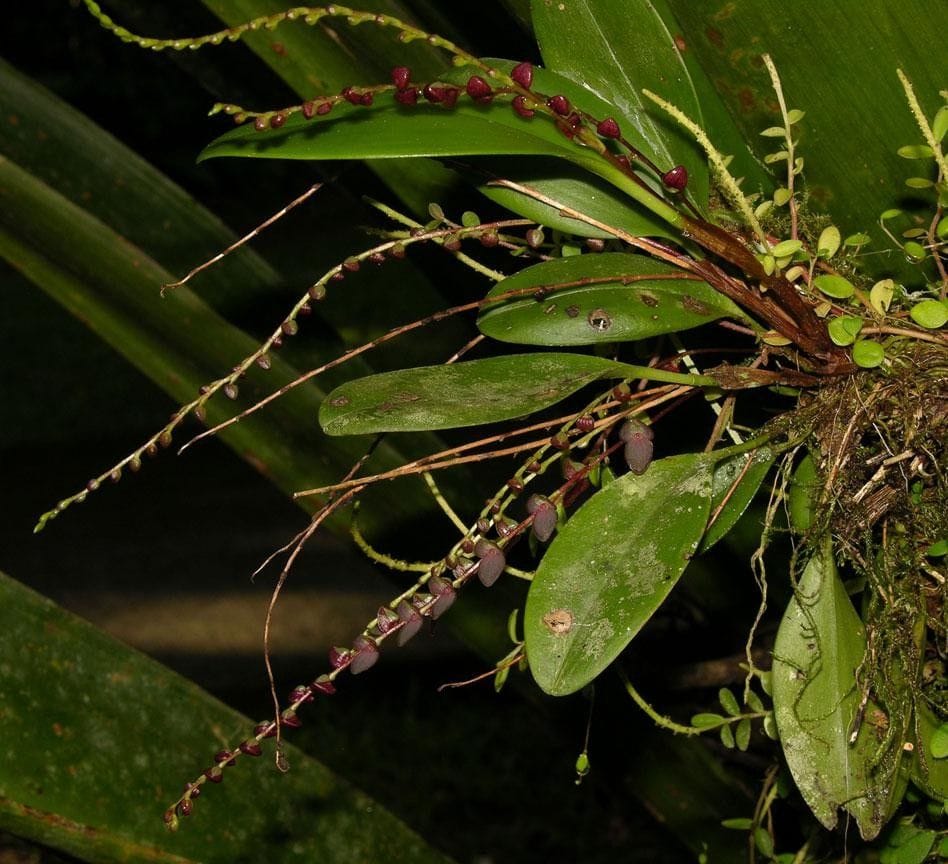
Unlocking the Secrets of Stelis lankesteri Propagation: A Miniature Orchid with Mighty Challenges
The Stelis lankesteri, a tiny treasure from the orchid world, captivates with its unique charm. Unlike its showy cousins, this miniature marvel boasts intricate, almost alien-like blooms that draw you in for a closer look. But cultivating this diminutive beauty is an art form, and propagation presents a particularly rewarding challenge for orchid enthusiasts.
Why Propagate Stelis lankesteri?
While not for the faint of heart, propagating Stelis lankesteri offers a rewarding journey for several reasons:
- Preservation: These orchids are endemic to specific regions and face habitat loss, making propagation crucial for conservation.
- Multiplication: Successfully propagating your Stelis lankesteri allows you to expand your collection and share its beauty.
- Deeper Understanding: The process of propagation deepens your connection with this unique orchid, unveiling its life cycle and specific needs.
The Challenges of Propagation
Before diving in, it’s crucial to acknowledge that Stelis lankesteri propagation isn’t a walk in the park. Here’s why:
- Slow Growth: Stelis lankesteri are notoriously slow growers, requiring patience and meticulous care to thrive.
- Specific Needs: These orchids demand specific environmental conditions, including high humidity, cool temperatures, and bright, indirect light.
- Seed Complexity: Orchid seeds lack endosperm, requiring symbiotic relationships with specific fungi for germination, making it a complex process often best left to experts.
The Two Primary Methods for Stelis lankesteri Propagation:
1. Division:
- The most practical method for hobbyists, division involves separating mature, healthy plants with multiple growths (pseudobulbs).
- Timing is key: Attempt division during spring when the plant is actively growing.
- Tools and Technique: Using sterilized tools, carefully separate the plant, ensuring each division has at least 3-4 pseudobulbs and healthy roots.
- Post-division Care: Pot divisions in a well-draining orchid mix, ensuring proper humidity and avoiding overwatering.
2. Keiki Propagation:
- Occasionally, Stelis lankesteri produce “keikis,” small plantlets that grow on mature pseudobulbs.
- Identifying Keikis: Keikis develop their own roots and leaves, signaling their readiness for separation.
- Removal and Potting: Once the keiki has developed a good root system, carefully detach it from the mother plant and pot it in a suitable medium, ensuring the same care as for mature plants.
Mastering the Art of Patience
Regardless of the chosen method, patience is the most crucial ingredient in Stelis lankesteri propagation. Be prepared for a slow and deliberate process, carefully observing your plants for any signs of stress or disease.
Propagating Stelis lankesteri might be challenging, but witnessing a new plant emerge is a rewarding testament to your dedication. By understanding the complexities and embracing patience, you can contribute to the preservation of this miniature orchid marvel.