
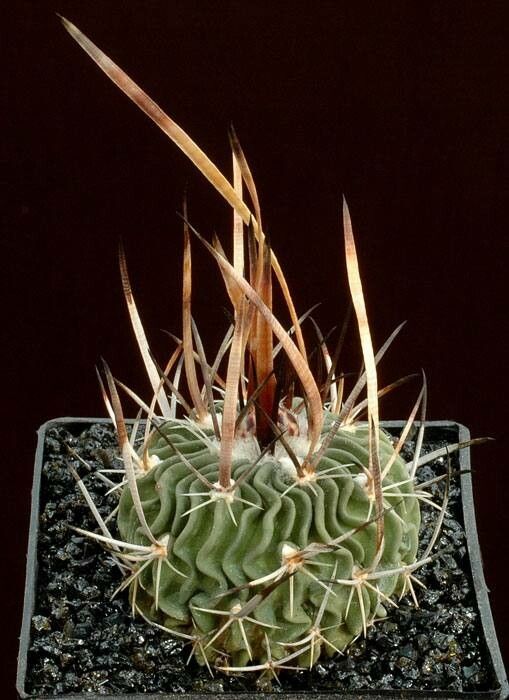
Unveiling the Secrets: How to Propagate the “Brain Cactus” (Stenocactus obvallatus)
The “Brain Cactus,” scientifically known as Stenocactus obvallatus, is a captivating plant with its intricate, brain-like folds and stunning, bright flowers. This unique cactus is a conversation starter and a rewarding addition to any succulent collection. But have you ever considered propagating your own brain cactus?
While it might sound like a daunting task, propagating Stenocactus obvallatus is surprisingly achievable, even for beginners. Let’s dive into the two primary methods:
1. Seeds: A Test of Patience and Skill
Propagating from seeds offers a deeply satisfying experience, allowing you to witness the entire life cycle of your brain cactus. However, it requires more patience and a gentle touch.
Here’s what you’ll need:
- Fresh Stenocactus obvallatus seeds: Source your seeds from reputable sellers to ensure viability.
- Seed-starting mix: Opt for a well-draining mix specifically formulated for cacti and succulents.
- Shallow tray or pot: Choose a container with drainage holes to prevent waterlogging.
- Water: Use filtered water or allow tap water to sit overnight to dissipate chlorine.
- Plastic wrap or humidity dome: This helps create a warm, humid environment for germination.
- Patience: Germination can take several weeks to months.
Step-by-step guide:
- Sow the seeds: Sprinkle the seeds thinly over the moistened seed-starting mix, avoiding overcrowding.
- Lightly cover: Barely cover the seeds with a thin layer of the mix or fine sand.
- Water gently: Mist the surface with water, being careful not to dislodge the seeds.
- Create a humid environment: Cover the tray or pot with plastic wrap or a humidity dome.
- Provide warmth and light: Place the container in a bright location, but out of direct sunlight. Aim for temperatures around 70-75°F (21-24°C).
- Maintain humidity: Mist the soil surface regularly, keeping it lightly moist but not soggy.
- Be patient: Germination can be erratic with cacti seeds. Don’t be discouraged if it takes time.
- Transplant seedlings: Once the seedlings have developed a few spines, carefully transplant them into individual pots with well-draining soil.
2. Offsets: The Shortcut to Success
The brain cactus often produces offsets, also known as “pups” – small, genetically identical plants that grow at the base of the mother plant. Propagating through offsets is quicker and easier than starting from seeds.
Step-by-step guide:
- Identify a healthy offset: Choose an offset that is at least an inch in diameter and has a few spines of its own.
- Carefully remove the offset: Use a clean, sharp knife or pair of scissors to separate the offset from the mother plant. Make sure to get as much of the offset’s base as possible.
- Let the wound callous: Allow the cut surface of both the offset and the mother plant to dry and callous over for a few days to a week.
- Plant the offset: Fill a small pot with well-draining cactus mix. Create a small hole in the center and gently nestle the offset’s base into the soil.
- Water sparingly: Wait a week before watering the newly planted offset to allow the wound to heal completely. Afterward, water sparingly, only when the soil is completely dry.
Caring for Your New Brain Cactus Progeny
Whether you choose to propagate from seeds or offsets, providing the right environment is crucial for your new brain cacti to thrive:
- Plenty of light: Place them in a location with bright, indirect light.
- Well-draining soil: Use a cactus-specific mix or amend regular potting soil with perlite or pumice.
- Infrequent watering: Allow the soil to dry out completely between waterings to prevent root rot.
- Fertilize occasionally: Use a diluted fertilizer for cacti and succulents during the growing season (spring and summer).
Propagating your own Stenocactus obvallatus is a rewarding endeavor that allows you to connect with this fascinating plant on a deeper level. With patience and care, you can soon have a thriving collection of these miniature brain-like wonders!