
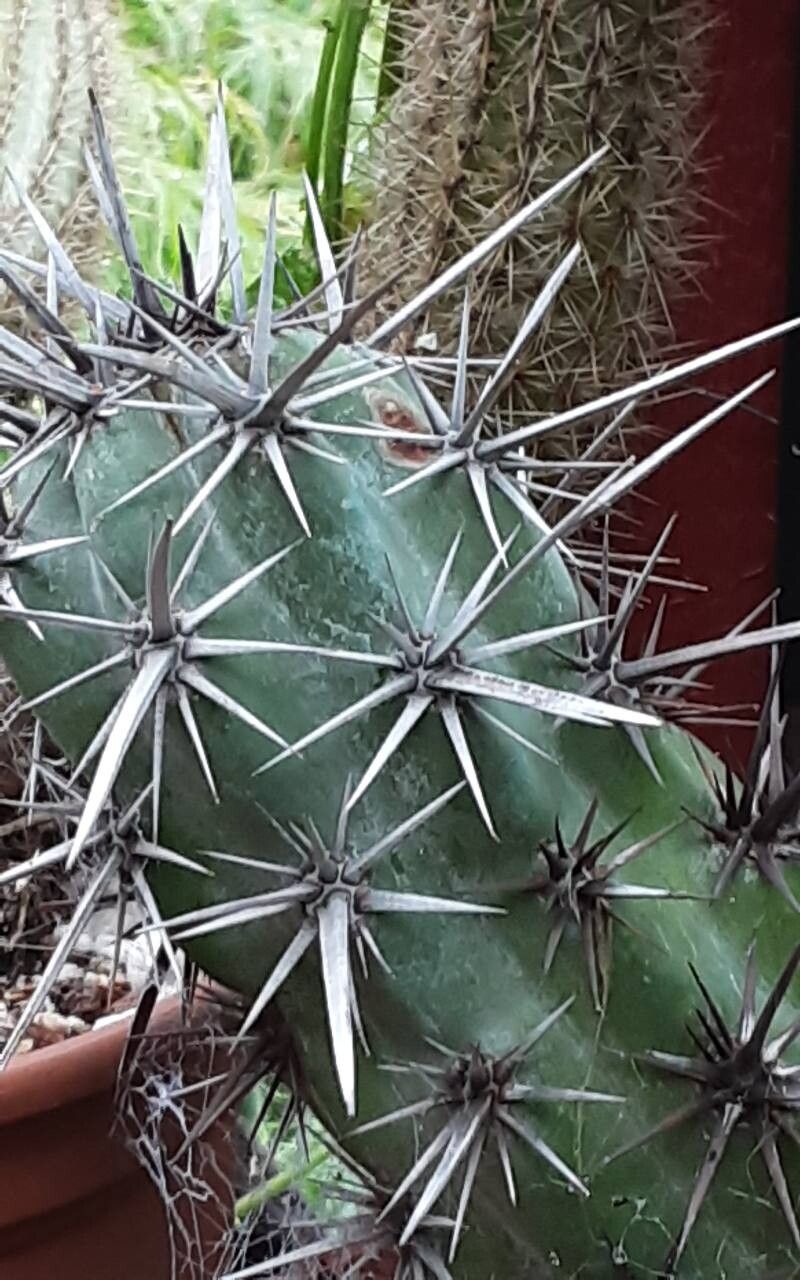
Propagating the Sweet Pitaya: Unveiling the Secrets of Stenocereus gummosus
Stenocereus gummosus, commonly known as the sweet pitaya or pitaya dulce, is a captivating cactus prized for its delicious, sweet fruits and striking architectural form. Its upright, branching stems, adorned with attractive spines, make it a popular choice among succulent enthusiasts. The relatively fast growth rate for a cactus and the potential for abundant fruit production further enhance its horticultural appeal. Propagating Stenocereus gummosus, however, presents unique challenges and rewards, dependent upon the chosen method.
Seed Germination:
Seed germination for Stenocereus gummosus is a viable, albeit challenging, method of propagation. Fresh seeds are crucial; older seeds significantly reduce germination rates. The challenges lie in achieving consistent moisture without promoting fungal growth, and providing sufficient warmth for optimal germination.
Challenges: Maintaining adequate humidity and preventing damping-off (fungal disease) are significant hurdles. Seeds are prone to rotting in overly moist conditions.
Practical Tips: Sow seeds in a well-draining cactus and succulent potting mix, keeping the soil lightly moist but not soggy. A propagator with bottom heat (around 25-30°C) can significantly improve germination rates. Gentle misting is preferable to overhead watering. No pre-treatment, like stratification, is typically necessary.
Rewards: Seed germination offers the potential for high genetic diversity, resulting in a wider range of plant characteristics. This method is also suitable for large-scale propagation, though it requires patience and careful monitoring.
Cuttings:
Vegetative propagation through stem cuttings is a much more reliable and widely used method for Stenocereus gummosus.
Challenges: The main challenge lies in preventing rot before the cuttings root. Proper preparation and a well-draining substrate are vital.
Practical Tips: Use sharp, clean tools to take stem cuttings of at least 10-15cm long. Allow the cuttings to callus over for a few days before planting in a well-draining cactus potting mix. Avoid overwatering, and ensure good air circulation to prevent fungal growth. Bottom heat can speed up rooting.
Rewards: Cuttings offer a faster and more predictable propagation method compared to seed germination. They ensure the genetic integrity of the parent plant, replicating desirable traits.
Division:
Division is rarely employed for Stenocereus gummosus because it necessitates a mature, substantial plant with well-developed offsets.
Challenges: Finding suitable plants for division is the primary limitation. Incorrect division can severely damage the parent plant.
Practical Tips: Divide only mature plants with several distinct stems, ensuring each division possesses a robust root system. Use sharp, clean tools to minimize damage, and allow the divisions to callus before planting.
Rewards: Division allows for quicker establishment of new plants compared to cuttings, as they already have an established root system. However, it’s only applicable to select mature plants.
Tissue Culture:
While technically possible, tissue culture propagation for Stenocereus gummosus is generally not a practical or readily available home propagation method.
Challenges: Specialized equipment, sterile laboratory conditions, and expertise in plant tissue culture techniques are required. This is a highly complex and expensive method.
Practical Tips: This is best left to professional nurseries or research laboratories.
Rewards: Tissue culture enables large-scale, rapid propagation of genetically identical plants. It also allows for disease elimination and the production of disease-free stock.
Conclusion:
Propagating Stenocereus gummosus successfully offers a unique sense of accomplishment. While seed germination offers genetic diversity for the adventurous, the speed and predictability of cuttings make it the most popular choice for most home growers. Division is a niche possibility, while tissue culture remains limited to specialized facilities. The challenges posed by these methods, from preventing rot to maintaining optimal environmental conditions, underscore the dedication required to cultivate this remarkable cactus. However, the reward of nurturing a cutting into a mature plant, laden with its vibrant fruit, is a truly satisfying horticultural achievement – a testament to patience, skill, and a deep appreciation for the beauty of the natural world.