
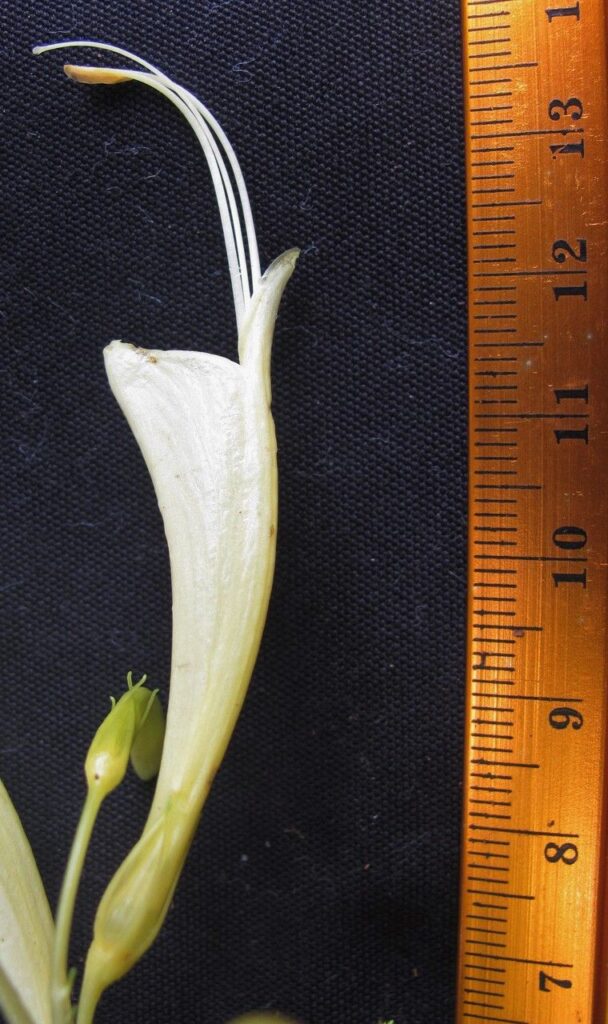
“Orange Jewels” at Your Fingertips: Propagating Stenostephanus Citrinus
The vibrant orange bells of Stenostephanus citrinus, also known as the Orange Mocktrumpet, are a captivating sight in the garden. But did you know you can easily share this beauty with friends and grow your own stunning display? The secret lies in propagation, a rewarding process that allows you to multiply your plants and enjoy more of their vibrant color.
The Art of Propagation: A Beginner’s Guide
For the Stenostephanus citrinus, there are two primary methods of propagation:
-
Seed Propagation: This method involves starting new plants from seeds. While it’s possible, it can be a bit more time-consuming and sometimes unpredictable.
- Stem Cuttings: This is the preferred and arguably easier method for most gardeners. Taking stem cuttings allows you to utilize existing plant material to produce new roots and establish new plants.
Step-by-Step Guide to Propagation by Stem Cuttings
-
Timing is Key: The best time to take stem cuttings for Stenostephanus citrinus is during the spring or early summer when the plant is actively growing.
-
Selecting the Right Material: Choose healthy, non-flowering stems from the current year’s growth. Each cutting should be about 4-6 inches long, and you can take several cuttings from a single plant.
-
Preparing Your Cuttings: Using a sharp knife or scissors, make a clean cut just below a node (where leaves grow from the stem). Remove the leaves from the bottom inch or two of the stem.
-
Nurturing the Roots: Dip the cut ends of the stems into a rooting hormone solution. This will encourage the development of new roots. Then, plant the cuttings in a well-draining potting mix that’s kept consistently moist.
-
Creating the Right Environment: Place the cuttings in a warm, bright location, but avoid direct sunlight. Cover the cuttings with a clear plastic dome or bag to create a humid microenvironment that encourages root growth.
-
Patience is a Virtue: It can take several weeks for the cuttings to develop strong roots. Keep the potting mix slightly moist, and monitor for any signs of fungal growth.
- Transplanting Success: Once the cuttings have formed roots, gently remove them from the container and inspect the root system. Then, transplant them into individual pots or directly into the garden.
Tips for Success:
- Use sterilized tools: This helps prevent the spread of diseases.
- Choose a suitable potting mix: A well-draining mix like a blend of potting soil, perlite, and vermiculite is ideal.
- Provide consistent moisture: The potting mix should be kept moist, but not soggy.
- Maintain the right temperature: Keep the cuttings in a warm location, ideally around 70-75°F.
- Be patient and observant: Propagation requires patience. Keep a close eye on your cuttings and be ready to adjust your care if necessary.
Enjoy Your “Orange Jewels!”
Growing your own Stenostephanus citrinus plants from cuttings is a rewarding and fulfilling process. With a little effort and basic knowledge, you can easily multiply your collection of this vibrant and attractive plant, enhancing your garden with bursts of orange beauty. So, gather some cuttings, follow these simple steps, and enjoy the satisfaction of sharing the joy of these “orange jewels” with others.