
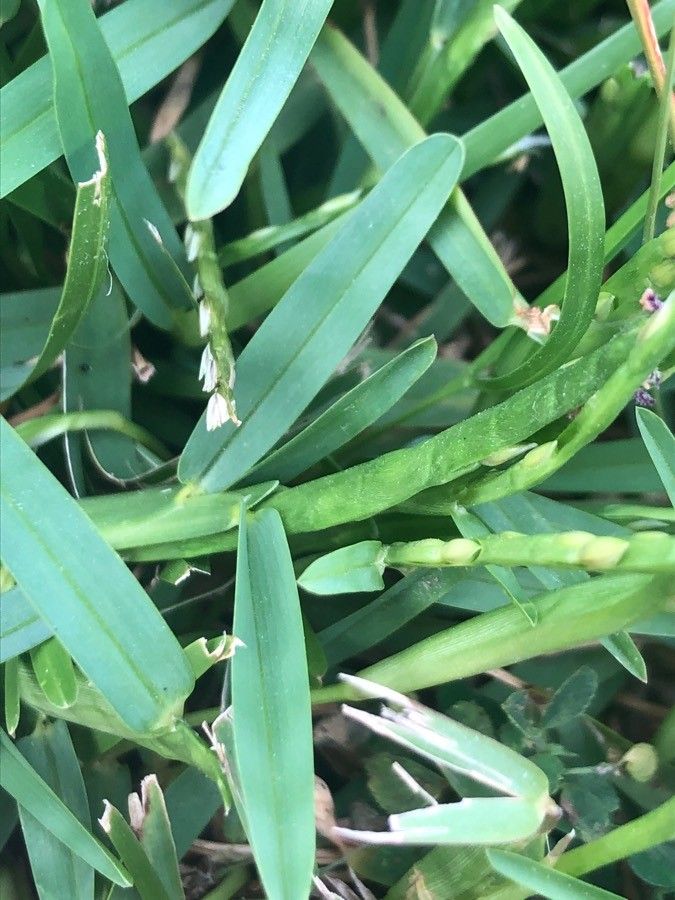
From Patch to Pasture: The Easy Guide to Propagating St. Augustine Grass
St. Augustine grass (Stenotaphrum secundatum) is a popular choice for homeowners looking for a lush, low-maintenance lawn. But did you know you can easily expand your patch of this beautiful grass without spending a fortune on sod? That’s right, propagating St. Augustine grass is a simple and cost-effective way to build your dream lawn.
Why Propagate?
- Save Money: Purchasing sod can quickly become expensive, especially for large areas. Propagating your own St. Augustine grass saves you a substantial amount of money.
- Customizable: Propagate only the variety of St. Augustine you want, ensuring a consistent and uniform lawn.
- Sustainable: By growing your own grass, you’re minimizing your environmental impact and promoting a healthier ecosystem.
Two Easy Methods
There are two main methods for propagating St. Augustine grass:
1. Stolon Division: This method is ideal for smaller areas.
- Step 1: Select healthy, mature stolons (runners) with strong roots.
- Step 2: Cut the stolons into pieces about six inches long, ensuring each section has at least one node (joint) and some roots.
- Step 3: Prepare the new planting area by loosening the soil and removing any weeds.
- Step 4: Place the stolon sections in the prepared soil, burying the nodes and roots slightly, and spacing them about six inches apart.
- Step 5: Water deeply and consistently to encourage root growth.
2. Plugs: This method is perfect for larger areas and offers greater flexibility in design.
- Step 1: Cut out squares or circles of St. Augustine sod, roughly 4-6 inches in diameter. This is your plug.
- Step 2: Carefully remove the plugs from the existing lawn, ensuring you get a good chunk of the root system.
- Step 3: Prepare the new planting area by loosening the soil and removing any weeds.
- Step 4: Place the plugs in the prepared soil, spacing them about 12-18 inches apart.
- Step 5: Water deeply and consistently.
Tips for Success
- Timing is Key: Spring and early summer are the best times to propagate St. Augustine grass.
- Water Wisely: Keep the soil consistently moist, especially during the initial weeks. Use a watering schedule to ensure consistent hydration.
- Fertilize Regularly: Use a fertilizer specifically formulated for St. Augustine grass to promote healthy growth and prevent nutrient deficiencies.
- Control Weeds: Stay on top of weed control to ensure your new grass thrives.
- Be Patient: It may take a few weeks for the stolons and plugs to take root, but with proper care, your new St. Augustine grass will quickly spread and fill in the area.
From a small start to a beautiful lawn, propagating your own St. Augustine grass is an eco-friendly, cost-effective, and rewarding experience. So grab your gloves, get your hands dirty, and witness the incredible magic of nature as your new lawn flourishes!