
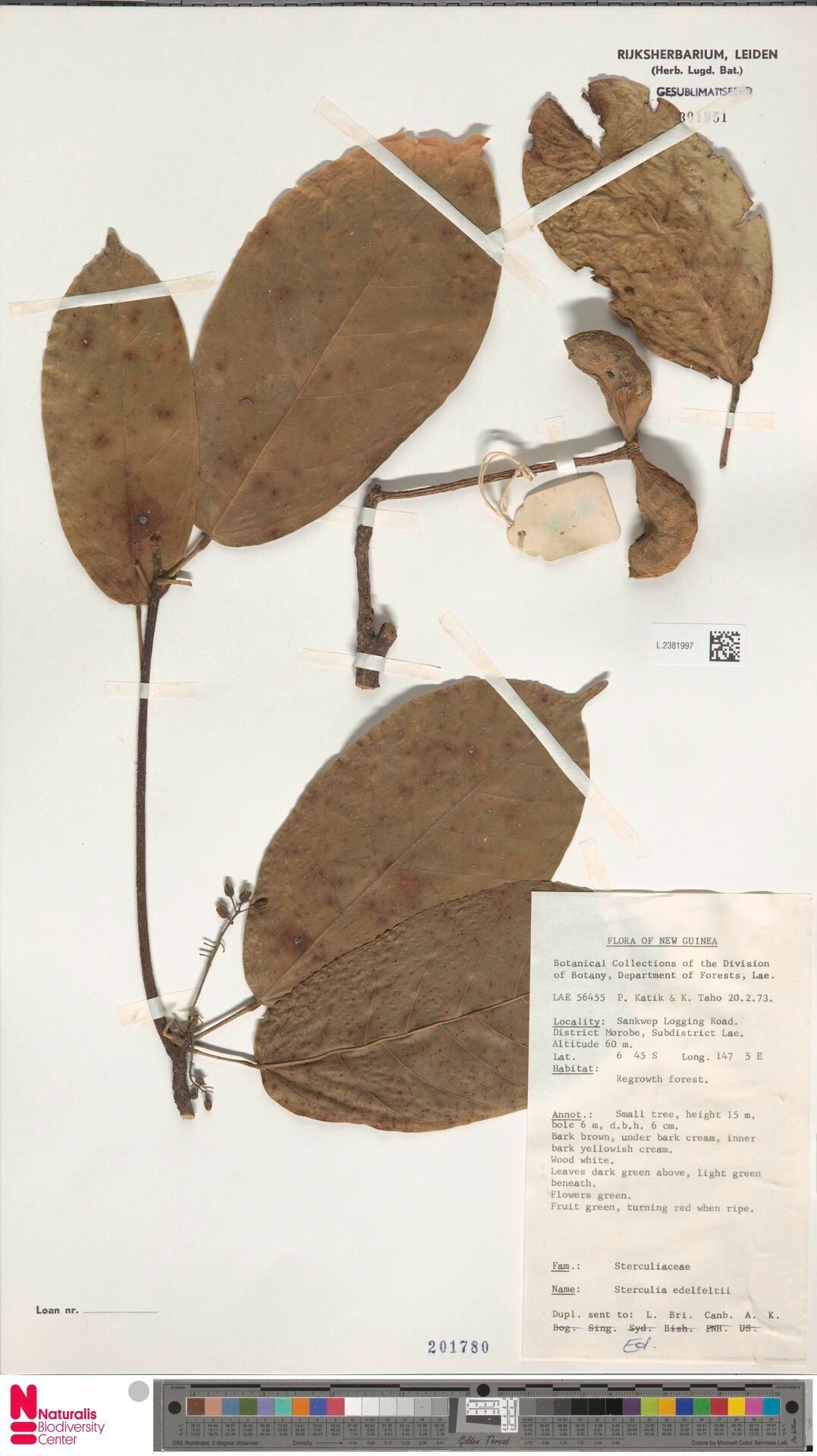
Taming the Tropical Titan: Propagating the Majestic Sterculia edelfeltii
The Sterculia edelfeltii, also known as the Papua New Guinea Chestnut or Edelfelt’s Sterculia, is not your average houseplant. Native to the rainforests of Southeast Asia, this majestic tree captivates with its massive, textured leaves and unique, star-shaped seed pods. While a behemoth in its natural habitat, Sterculia edelfeltii can be tamed as a stunning indoor specimen with the right care – and propagating this tropical titan is an adventure in itself.
Seed Propagation: A Test of Patience and Precision
The most common method of propagating Sterculia edelfeltii is through seeds, a process best suited for those with a green thumb and a good dose of patience. Here’s how:
- Source Fresh Seeds: Viable seeds are crucial. Look for reputable online sellers or nurseries specializing in tropical plants.
- Prepare for Germination: Sterculia edelfeltii seeds boast a hard seed coat that requires scarification to encourage sprouting. Gently nick or sand the seed coat, being careful not to damage the embryo inside.
- Sow with Care: Plant the scarified seeds in a well-draining seed-starting mix, burying them about an inch deep. Maintain a warm environment (around 75-85°F) and keep the soil consistently moist but not waterlogged.
- The Waiting Game: Germination can take anywhere from a few weeks to several months. Don’t despair if you don’t see sprouts immediately. Patience, consistent moisture, and warmth are key.
- Gradual Acclimation: Once seedlings emerge, ensure they receive bright, indirect light. As they grow stronger, gradually acclimate them to slightly more sun to prepare them for their permanent location.
Beyond Seeds: Exploring Alternative Methods
While seed propagation is the most common route for Sterculia edelfeltii, experienced plant enthusiasts can explore alternative techniques:
- Air Layering: This method involves wounding a healthy branch and encouraging root development while still attached to the parent plant. Once roots form, the branch is separated and potted. Air layering requires specific knowledge and may not always be successful.
- Cuttings: Propagating Sterculia edelfeltii from cuttings is considered challenging but not impossible. Select healthy, semi-hardwood cuttings and utilize rooting hormone to increase the chances of success. Maintain a warm and humid environment, mimicking a propagation greenhouse.
Nurturing Your Sterculia Edelfeltii: Tips for Success
Regardless of your chosen propagation method, caring for your new Sterculia edelfeltii requires attention to its tropical needs:
- Light: Provide bright, indirect light. Avoid direct sunlight, which can scorch the large leaves.
- Water: Water thoroughly when the topsoil feels dry. Sterculia edelfeltii prefers consistently moist soil, but avoid overwatering, which can lead to root rot.
- Humidity: As a rainforest dweller, this plant enjoys high humidity. Consider using a humidifier or placing the pot on a pebble tray filled with water.
- Fertilizer: Feed your Sterculia edelfeltii with a balanced liquid fertilizer during the growing season (spring and summer) to support healthy growth.
Propagating and nurturing a Sterculia edelfeltii is an enriching experience. The journey, from seed to sapling and beyond, comes with its own set of rewards. By understanding this magnificent plant’s needs and mastering the propagation methods, you can welcome a touch of the tropics into your home and enjoy the unique beauty of the Sterculia edelfeltii for years to come.