
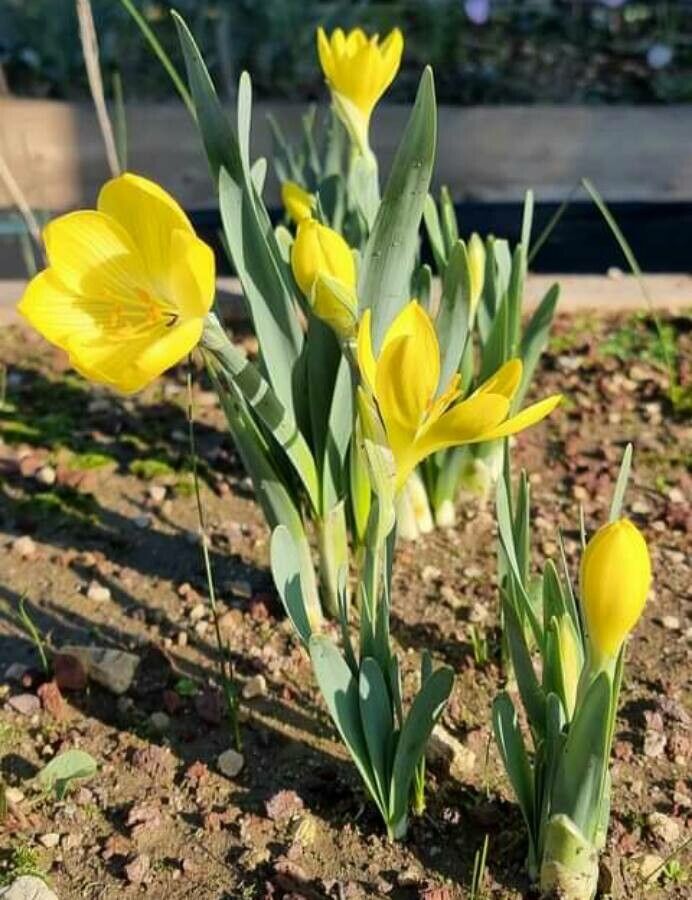
Unlocking the Secrets to Multiplying Your Winter Sunshine: Propagating Sternbergia vernalis
Sternbergia vernalis, also known as the Yellow Starflower or Spring Gold Crocus, is a delightful bulb that brings a burst of sunshine yellow to the late winter or early spring garden. Unlike their autumn-blooming relatives, these cheerful blooms emerge alongside snowdrops and early crocuses, signaling the end of winter’s chill. If you’re lucky enough to have these beauties gracing your garden, you might be wondering how to get more of these captivating flowers. Well, you’re in luck! Propagating Sternbergia vernalis, while requiring a bit of patience, is achievable for gardeners of all levels.
Let’s explore the two main methods:
1. Division of Offsets:
This method is the easiest and most common way to propagate Sternbergia vernalis. Over time, mature bulbs will produce smaller offset bulbs around their base. These miniature versions are your ticket to multiplying your floral display.
Here’s how to do it:
- Timing is Key: The ideal time for dividing offsets is in late summer or early fall, after the foliage has died back naturally. This allows the bulbs ample time to establish themselves before winter sets in.
- Gentle Excavation: Carefully dig up the clumps you wish to divide, ensuring you dig a wide circle around the plant to avoid damaging the bulbs.
- Separation with Care: Gently separate the offsets from the mother bulb. Aim for offsets that have already developed their own roots for better success rates.
- Replanting: Choose a sunny or partially shaded location with well-drained soil. Plant the offsets at the same depth they were originally growing, spacing them about 4-6 inches apart. Water well after planting.
2. Growing From Seed:
While slightly more time-consuming, growing Sternbergia vernalis from seed can be a rewarding experience. It does, however, require a bit more patience as it can take 3-4 years for seedlings to bloom.
Here’s what you need to know:
- Seed Collection: Allow the seed pods to dry completely on the plant before collecting the seeds.
- Sowing Time: Sow the seeds in the fall, as they require a period of cold stratification to germinate.
- Sowing Process: Use a seed tray or pot filled with a well-draining seed starting mix. Sow the seeds thinly and cover them lightly with soil.
- Patience is a Virtue: Keep the seed tray in a cold frame or unheated greenhouse, ensuring it remains moist but not waterlogged. Germination usually occurs in late winter or early spring.
- Transplanting: Once the seedlings are large enough to handle, transplant them into individual pots. Continue to grow them on for a couple of years before planting them out into their permanent positions in the garden.
Additional Tips:
- Sternbergia vernalis thrive in well-drained soil. If your soil is heavy clay, amend it with compost or grit to improve drainage.
- These bulbs are relatively pest-free but can be susceptible to Narcissus Bulb Fly. Inspect your bulbs regularly and discard any that show signs of infestation.
- While Sternbergia vernalis prefer sunny locations, they can tolerate partial shade, especially in warmer climates.
With a little bit of care and patience, you can successfully propagate your Sternbergia vernalis and enjoy an abundance of these golden beauties illuminating your garden year after year. So, go ahead, dig in, and let the propagation fun begin!