
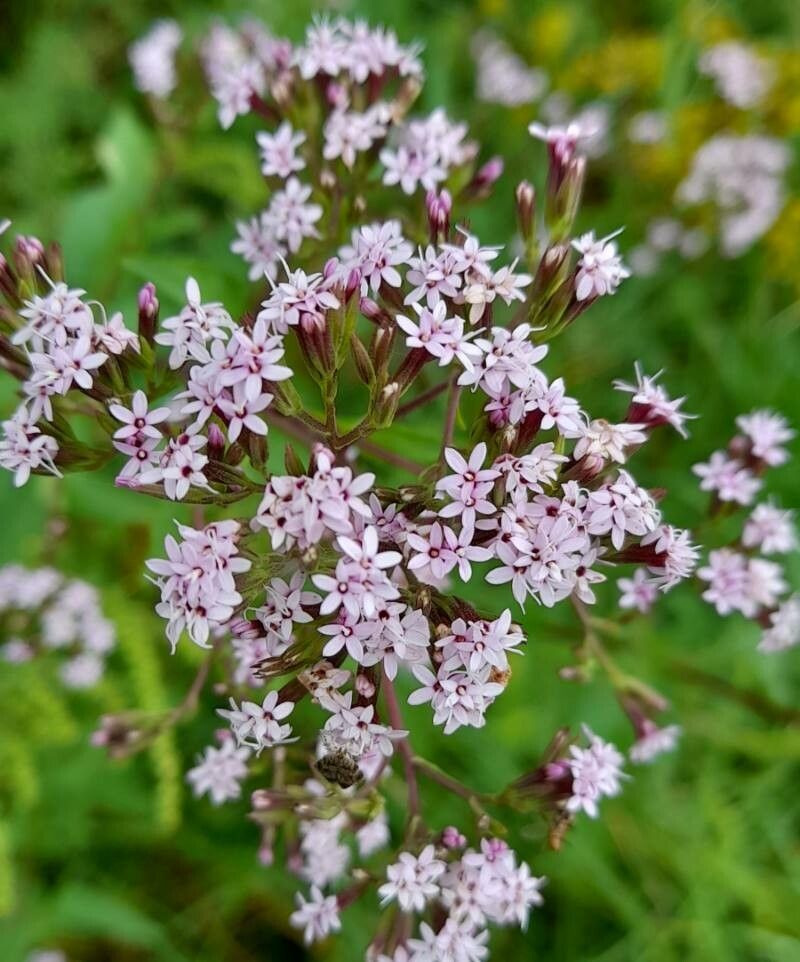
Propagating Stevia breviaristata: A Gardener’s Guide
Introduction
Stevia breviaristata, also known as Dwarf Stevia or sometimes simply as short-stemmed stevia, is a less widely known relative of the popular sweet leaf stevia ( Stevia rebaudiana). While not as renowned for its sweetness, S. breviaristata possesses unique horticultural appeal with its compact growth habit and attractive foliage, making it a desirable addition to rock gardens, borders, or even container gardening. Its distinctive features and relative rarity contribute to its growing popularity among plant enthusiasts. However, propagating this species presents specific challenges not always encountered with more common plants.
Seed Germination
Currently, there are no known reliable methods for seed germination propagation of Stevia breviaristata. While the plant produces seeds, their viability and germination rate are reportedly extremely low, rendering this method impractical for most gardeners.
Cuttings
Challenges: This method presents the most realistic approach for successful propagation. However, challenges include slow rooting and potential for rot if not properly managed. The smaller size and potentially more delicate nature of S. breviaristata cuttings compared to other stevia species may require more attention to detail.
Practical Tips: Semi-hardwood cuttings taken in late spring or early summer are recommended. Use sharp, clean tools to take 4-6 inch cuttings, removing lower leaves to prevent rotting. Dip the cut ends in a rooting hormone powder before planting in a well-draining propagation mix (e.g., perlite and peat moss). Maintain high humidity using a humidity dome or plastic bag covering. Consistent moisture, but not soggy conditions, is crucial. Bottom heat can accelerate rooting.
Rewards: Cuttings offer a relatively straightforward method to produce genetically identical plants, preserving desirable traits. It’s a good method for smaller-scale propagation by home gardeners.
Division
Challenges: Division is a viable method, particularly when the plant has become mature and established. However, careful handling is required to avoid damaging the delicate roots. Over-division can stress the parent plant and reduce its vigour.
Practical Tips: Divide the plant in spring or autumn, carefully separating the root ball into sections, each containing several healthy stems and roots. Replant the divisions promptly into well-prepared soil, ensuring adequate spacing. Water thoroughly after planting.
Rewards: Division allows for quick multiplication of a mature plant, thereby maximizing the number of plants obtained. It’s a relatively simple way of increasing your stock without needing specialized equipment.
Tissue Culture
Challenges: Tissue culture is the most technically demanding method and requires specialized equipment, skills, and sterile conditions to prevent contamination. While potentially effective for large-scale propagation and genetic preservation, it’s not suitable for the average home gardener.
Practical Tips: This method would necessitate the use of a sterile laboratory environment, plant growth regulators, and aseptic techniques. Explant selection, media preparation, and subculturing are crucial steps impacting success.
Rewards: Tissue culture offers the potential for mass production of genetically uniform plants, disease-free stock, and the ability to propagate even from small amounts of plant material.
Conclusion
Propagating Stevia breviaristata presents unique challenges across all methods. While seed germination is effectively ruled out, cuttings offer the most practical approach for home gardeners, albeit requiring patience and attention to detail. Division is a simpler option for established plants. Tissue culture, while technically superior for large-scale propagation, is outside the reach of most hobbyists. The rewards, however – the satisfaction of successfully cultivating this unique plant, and the joy of sharing it with others – far outweigh the difficulties. The tenacity required to master propagation techniques for this species makes the eventual success all the more rewarding. So, don’t be discouraged! Embrace the challenge, and enjoy the journey of bringing these beautiful and somewhat elusive plants to flourish in your garden.