
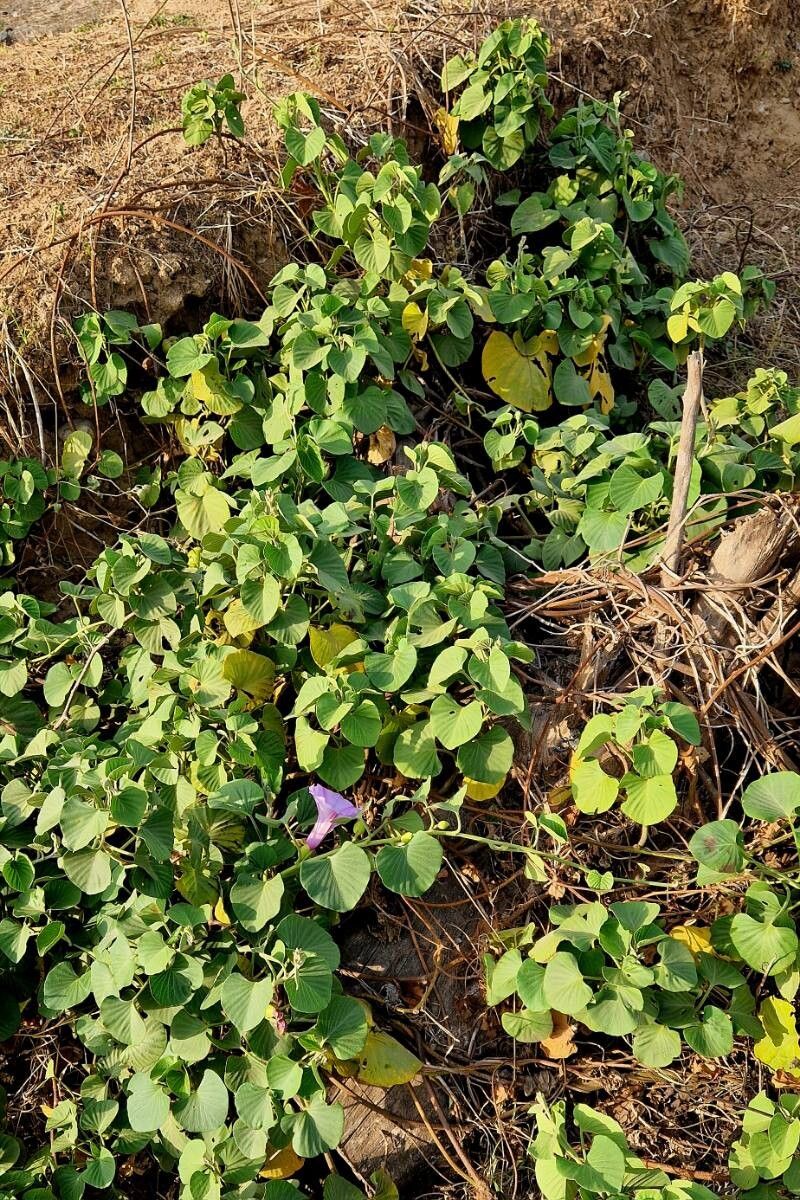
From Seed to Showstopper: The Journey of Propagating Stictocardia tiliifolia
The captivating Stictocardia tiliifolia, also known as the “Clock Vine,” is a stunning climber with delicate, heart-shaped leaves and vibrant, star-shaped blooms. Its beauty begs the question: how can a home gardener share this captivating plant with others? The answer lies in propagation, a rewarding process that allows you to create new plants from existing ones.
Seeds of Hope: A New Beginning
Collecting seeds from mature Stictocardia tiliifolia fruit is the most common method of propagation. While patience is key, the success rate is relatively high. Here’s how to navigate the process:
Harvesting Seeds: Carefully collect the ripe, orange-red seed pods and allow them to dry in a warm, airy place. Once fully dry, the pods will split open, revealing the black, kidney-shaped seeds.
Preparing the Seeds: Before planting, it’s crucial to scarify the seeds. This process breaks down the outer layer, promoting germination. Gently rub the seeds against sandpaper or use a sharp tool to make small scratches.
Sowing the Seeds: Fill a pot with a seed-starting mix and moisten it thoroughly. Sow the seeds at a shallow depth (about ¼ inch) and cover with a thin layer of soil.
- Cultivating the Seedlings: Maintain a consistent moisture level and place the pot in a warm, sunny location. Germination can take several weeks, so be patient! Once the seedlings have developed a couple of true leaves, they can be potted up individually.
Clippings of Charm: A Faster Approach
For those seeking a quicker route, propagating Stictocardia tiliifolia via cuttings is an excellent alternative. This method involves taking stem cuttings and encouraging them to develop roots:
Taking the Cuttings: Select healthy stems with multiple nodes (bumps where leaves grow). Use a sharp knife or pruning shears to make a clean cut just below a node.
Preparing the Cuttings: Remove any lower leaves that would be submerged in water or soil. Dip the end of the cutting in rooting hormone powder (optional).
Rooting the Cuttings: There are two main methods for rooting cuttings:
- Water Rooting: Place cuttings in a jar of water, ensuring the cut end is submerged but the leaves are above the waterline. Change the water every few days.
- Soil Rooting: Fill a pot with a well-draining potting mix and make a small hole. Insert the cutting and firmly pack the soil around it.
- Maintaining the Cuttings: Keep the cuttings in a warm, humid environment with indirect sunlight. A cloche or humidity dome can help maintain moisture levels. Once new growth appears, it indicates successful rooting.
Nurturing Your New Stictocardia tiliifolia
Regardless of your chosen propagation method, providing optimal care for your new plant is paramount.
Light: Stictocardia tiliifolia thrives in bright, indirect light. Avoid direct sunlight, which can scorch the leaves.
Water: Keep the soil consistently moist, but allow it to slightly dry out between waterings. Overwatering can lead to root rot.
- Fertilizer: Feed your plant with a balanced liquid fertilizer during the growing season (spring and summer) to encourage vigorous growth and abundant blooms.
Sharing the Joy
Propagating Stictocardia tiliifolia is not only a rewarding experience but also a brilliant way to share the beauty of this captivating plant. Give friends and family a piece of your garden’s charm. With a little patience and care, you can witness the joy of new life blossoming from a humble seed or a single cutting. Happy propagating!