
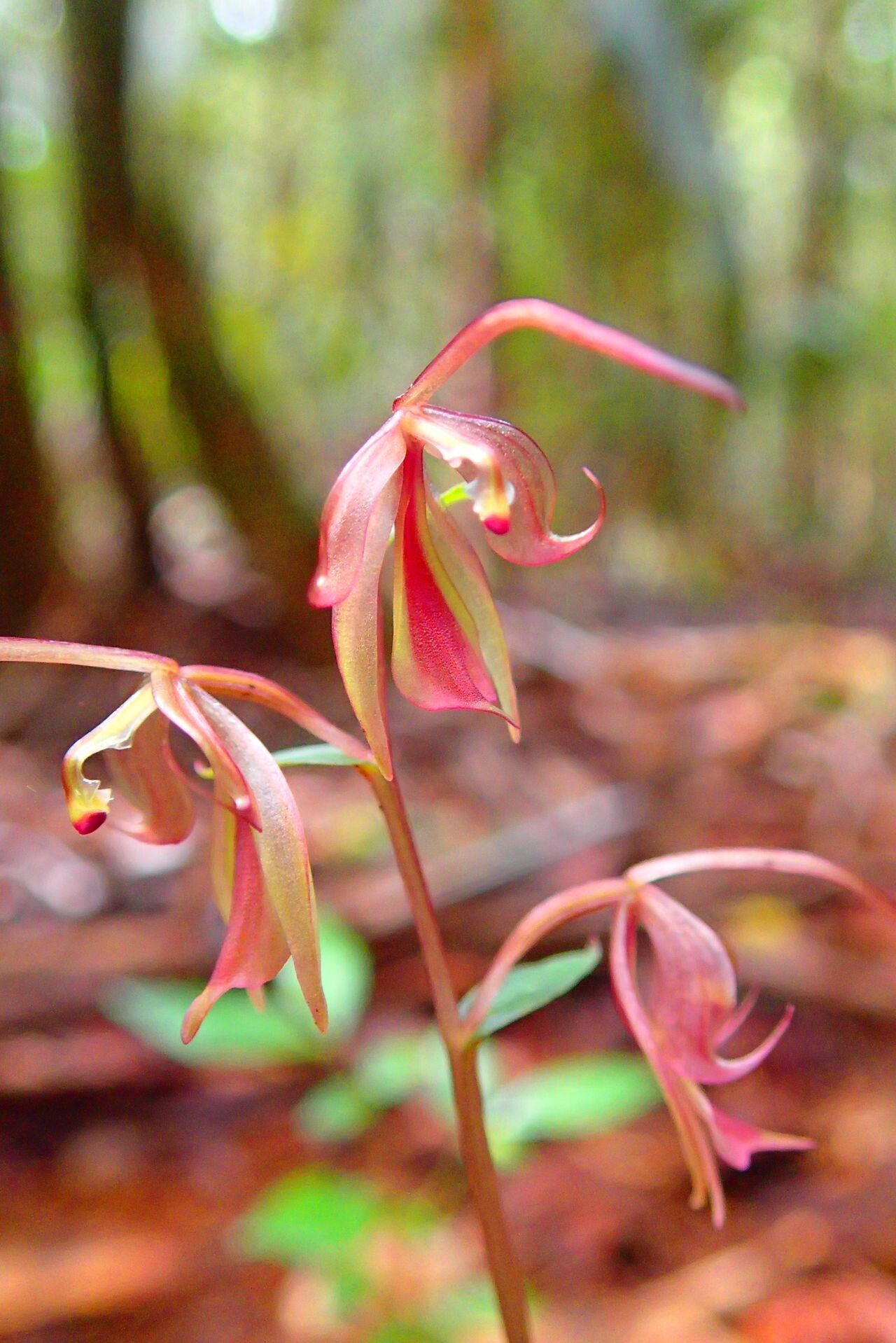
Unlocking the Secrets: Propagating the Rare and Beautiful Stigmatodactylus cymbalariifolius
Stigmatodactylus cymbalariifolius, also affectionately known as the “Cymbal-leaved Stigmatodactylus,” is a captivating orchid that captures the hearts of collectors and enthusiasts alike. With its delicate blooms and fascinating leaf structure, this terrestrial orchid presents a rewarding yet challenging cultivation journey.
While finding this rare beauty in cultivation can be difficult, successfully propagating it poses an even greater hurdle. Unlike many orchid species that readily reproduce through keikis or divisions, Stigmatodactylus cymbalariifolius primarily relies on seed propagation. This method, though challenging, offers an exciting opportunity to play a more active role in the life cycle of this remarkable species.
Understanding the Seed:
Stigmatodactylus cymbalariifolius seeds, like most orchid seeds, are incredibly tiny and lack endosperm. This means they lack the built-in food reserves found in typical seeds, making them reliant on a symbiotic relationship with specific mycorrhizal fungi for germination and initial growth.
Two Approaches to Propagation:
Symbiotic Germination: This method, often considered the most natural, replicates the orchid’s natural propagation process. It involves introducing seeds to a growing medium inoculated with the appropriate mycorrhizal fungi. This allows the fungi to infect the seeds, providing them with the necessary nutrients for germination. However, identifying and cultivating the specific fungal partner can be quite complex and requires meticulous sterile technique.
- Asymbiotic Germination: This approach bypasses the need for fungal symbiosis by providing the seeds with a nutrient-rich, sterile medium in a lab setting. This method offers greater control over environmental factors and eliminates the challenge of sourcing the correct fungi.
Navigating the Challenges:
Seed propagation of Stigmatodactylus cymbalariifolius, regardless of the chosen method, demands patience and dedication. Here are some key considerations:
- Seed Source: Obtaining viable seeds is crucial. Look for reputable suppliers specializing in rare orchids, or if you’re lucky enough to grow a mature plant, attempt hand-pollination to produce seed pods.
- Sterile Technique: Maintaining a sterile environment is paramount to prevent contamination, which can quickly decimate delicate seedlings. This includes using sterilized tools, pots, and media, as well as working in a clean and controlled space.
- Patience is Key: Orchid seed germination can be a slow process, potentially taking several months to a year or more. Consistent care, monitoring, and adjustments to environmental factors are essential throughout this period.
Rewards of Persistence:
Despite the challenges, successfully propagating Stigmatodactylus cymbalariifolius offers a unique sense of accomplishment for the orchid enthusiast. Witnessing the emergence of new life from tiny seeds and nurturing them into thriving plants is a testament to dedication and a deep understanding of this fascinating species.
The journey of propagating Stigmatodactylus cymbalariifolius may be intricate and demanding, but the rewards are immeasurable for those passionate about preserving and expanding the reach of this exquisite and rare orchid.