
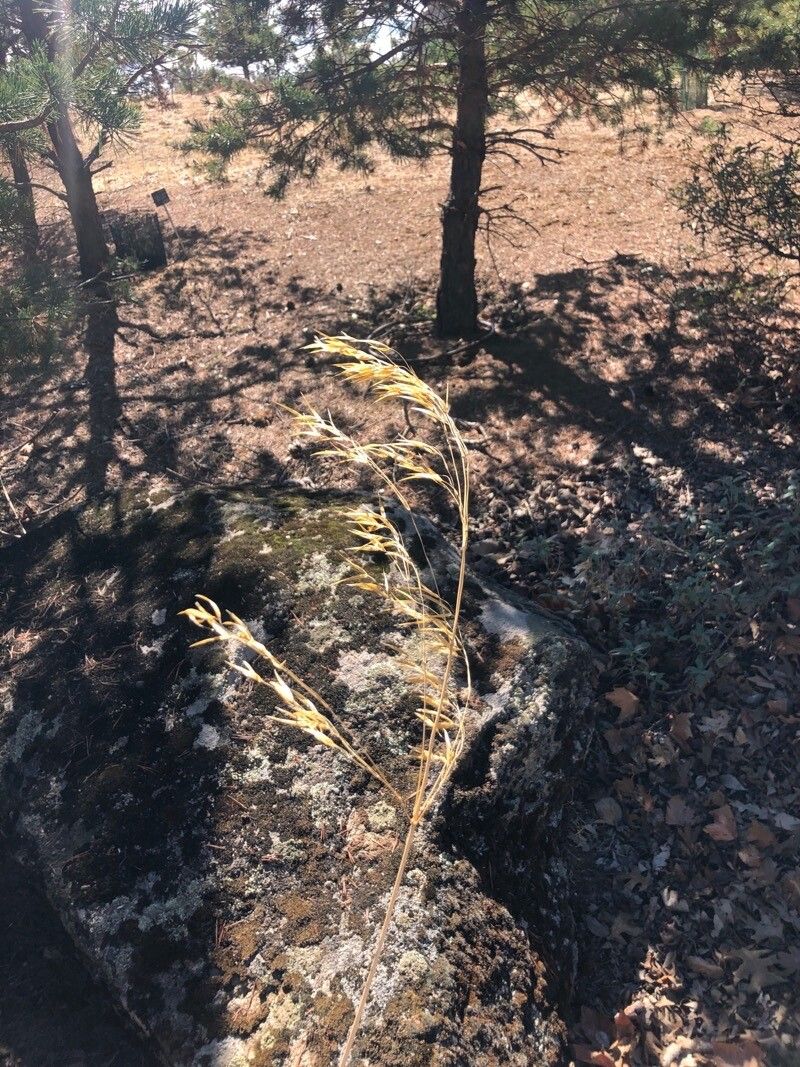
Unleash the Graceful Sway: Propagating Your Very Own Stipa Lagascae
Stipa lagascae, also known as the “Gracile Needle Grass” or “Esparto Grass,” is a captivating ornamental grass prized for its delicate beauty and graceful movement. This drought-tolerant and low-maintenance grass can add a touch of ethereal elegance to any garden landscape. If you’re looking to expand its presence in your outdoor haven, propagating Stipa lagascae is a rewarding endeavor. Let’s explore the two primary methods:
1. Division: A Simple Approach for Mature Plants
Division is the easiest and most common method for propagating Stipa lagascae, especially for mature clumps that have been established for a few years. This process involves splitting a mature plant into smaller sections, each containing roots and shoots.
Here’s how to propagate Stipa lagascae through division:
- Timing is Key: Early spring, just as new growth emerges, or early autumn offers the ideal time for division.
- Prepare the Plant: Water the Stipa lagascae clump thoroughly a day or two before division.
- Divide and Conquer: Carefully dig around the clump, loosening the soil. Gently lift the entire plant from the ground and shake off any excess soil. Using a sharp, clean knife or spade, divide the clump into smaller sections, ensuring each section has a good amount of roots and shoots.
- Replanting: Choose a sunny location with well-drained soil for your newly divided plants. Dig holes slightly larger than the root balls and space them according to the mature size of the grass, typically 2-3 feet apart. Plant the divisions at the same depth they were originally growing and backfill with soil, gently firming it around the roots.
- Water Well: Keep the newly planted divisions consistently moist but not waterlogged until they show signs of new growth.
2. Seed: A Patient Approach for Abundant Growth
While division offers a faster route to established plants, propagation from seed allows for greater quantity and can be a rewarding experience.
Here’s what you need to know about Stipa Lagascae seed propagation:
- Seed Collection: Collect seeds from mature plants in late summer or early fall, once the seed heads have turned a light brown.
- Sowing Time: Start seeds indoors 6-8 weeks before the last expected frost or sow directly outdoors after the danger of frost has passed.
- Sowing Basics: Use a well-draining seed starting mix and barely cover the seeds with soil. Keep the soil consistently moist but not waterlogged.
- Patience is Key: Germination can be slow and erratic, taking anywhere from a few weeks to a couple of months.
- Transplanting: Once seedlings are large enough to handle, gently transplant them into individual pots or directly into the garden after hardening them off.
Tips for Success:
- Choose the Right Method: Division is ideal for established plants, while seed propagation offers greater quantity and can be more cost-effective.
- Well-Drained Soil is Crucial: Soggy soil can lead to root rot, so make sure your planting site or containers offer excellent drainage.
- Sunlight is Essential: Stipa Lagascae thrives in full sun, so choose a location with at least 6 hours of direct sunlight per day.
- Be Patient and Observant: Whether you choose division or seed propagation, patience is key. Observe your plants closely, and address any issues promptly to ensure success.
With its graceful swaying form and airy texture, Stipa lagascae adds a touch of magic to any garden. By following these propagation tips, you can multiply your stock and enjoy the captivating beauty of this elegant grass for years to come.