
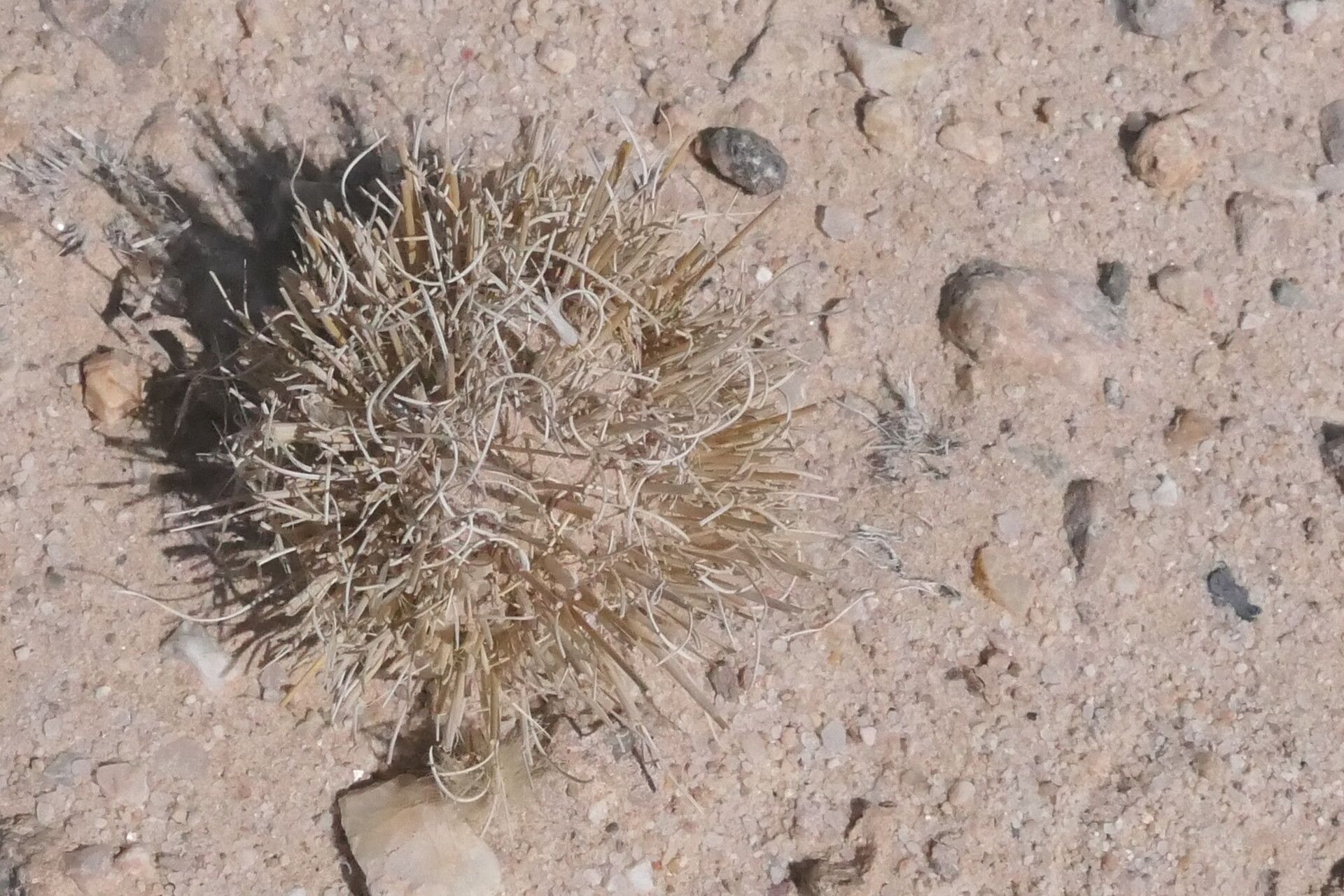


Taming the Desert Jewels: Propagating Stipagrostis obtusa
Stipagrostis obtusa, also known as the Bushman’s grass or pointed needle grass, is a captivating plant that brings the unique beauty of the desert to gardens and landscapes. This graceful grass, with its fine, almost hair-like foliage and characteristic fluffy seed heads, offers a textural element unlike any other. But how does one go about propagating this desert dweller? It may surprise you to learn that taming this wild beauty isn’t as daunting as you might think!
This guide will dive deep into the two most common methods for propagating Stipagrostis obtusa:
1. Seed Propagation: Embracing the Cycle of Nature
Propagating Stipagrostis obtusa from seed is a rewarding experience that connects you to the plant’s natural life cycle. The key lies in acquiring fresh, viable seeds, which you can often find from reputable online suppliers or specialized nurseries.
Here’s what you’ll need:
- Fresh Stipagrostis obtusa Seeds: Look for plump seeds that are uniformly colored.
- Seed Starting Mix: A well-draining mix is crucial. Consider a perlite and vermiculite blend.
- Shallow Seed Trays or Pots: Choose trays with drainage holes to prevent waterlogging.
- Spray Bottle: For gentle watering without disturbing the tiny seeds.
The Process:
- Sowing: Sprinkle the seeds sparsely onto the surface of the prepared seed starting mix. Avoid burying them deep, as they require light to germinate.
- Misting: Gently mist the soil surface until damp. Avoid overwatering, as this can lead to fungal issues.
- Warmth and Light: Place the tray in a warm, brightly lit location, but avoid direct sunlight, which can be too intense for the emerging seedlings.
- Patience is Key: Germination can be erratic and may take anywhere from a few weeks to a couple of months. Don’t lose hope!
- Transplanting: Once the seedlings have developed a strong root system and are a few inches tall, you can carefully transplant them into individual pots or directly into your garden.
2. Division: Multiplying Your Desert Grasses
If you already have a thriving Stipagrostis obtusa plant, division offers a straightforward way to propagate new ones.
The Process:
- Timing is Everything: The best time for division is during the plant’s active growing season, typically in spring.
- Digging Deep: Carefully dig around the base of the plant, ensuring you don’t damage the roots.
- Gentle Separation: Using a sharp, clean knife or garden shears, divide the plant into smaller sections, making sure each section has a good amount of roots and shoots.
- Repotting or Planting: Repot the divided sections into well-draining soil. Water them thoroughly and provide some shade initially to help them acclimate.
Tips for Success:
- Well-Drained Soil: Stipagrostis obtusa thrives in sandy, well-drained soil that mimics its natural habitat. Avoid heavy clay soils that retain excessive moisture.
- Sunlight is Key: These desert grasses thrive in full sun to partial shade. Aim for at least 6 hours of direct sunlight daily.
- Water Wisely: While Stipagrostis obtusa is relatively drought-tolerant once established, regular watering during the first growing season is crucial for root establishment. Once established, water deeply but infrequently.
Propagating Stipagrostis obtusa is a journey of patience and understanding the plant’s natural inclinations. By following these techniques and providing the right growing conditions, you can successfully expand your collection of these captivating desert gems and enjoy their subtle beauty for years to come.