
The Secret to Spreading the Magic: Propagating Streptopus Streptopoides
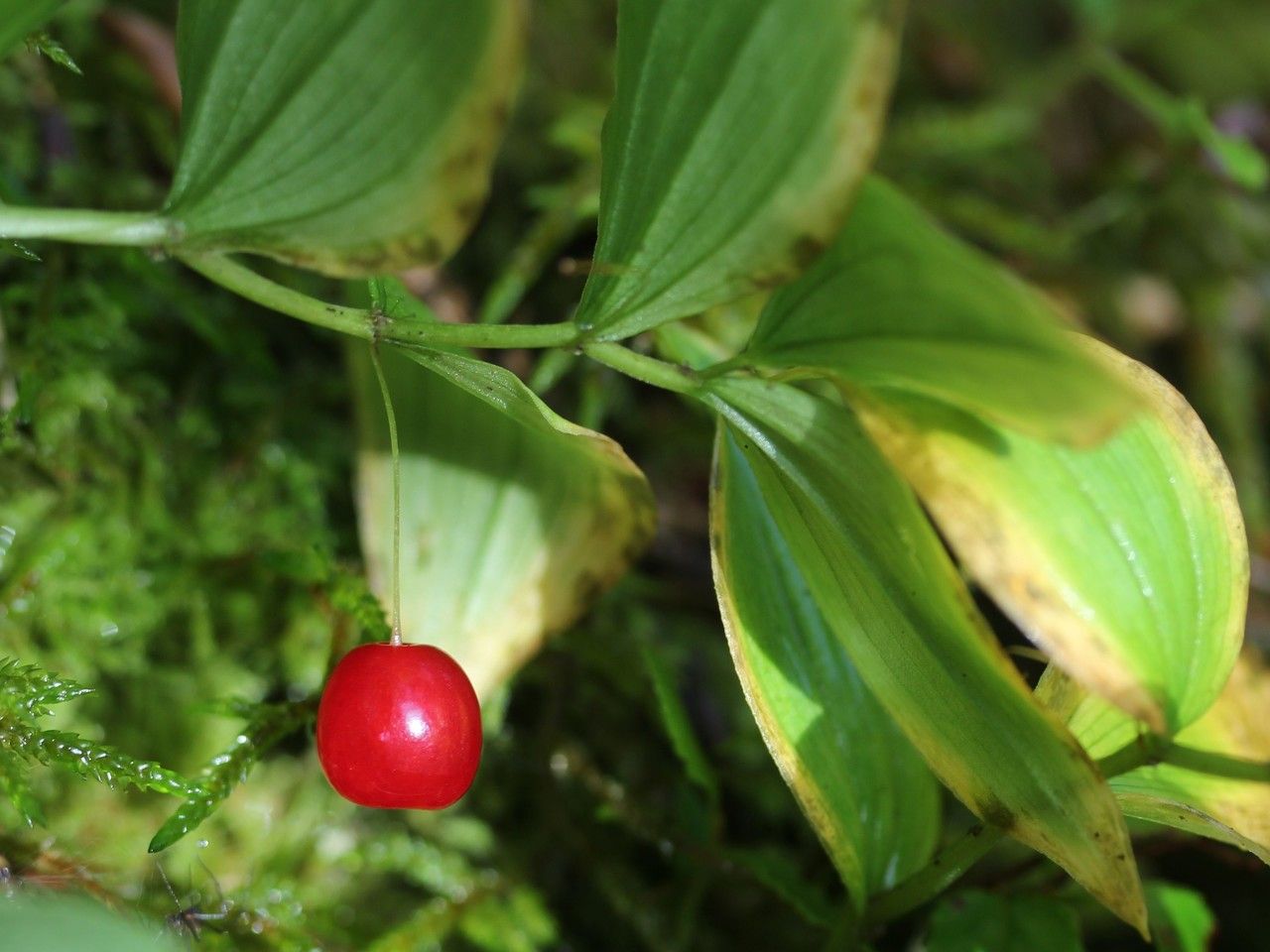
Streptopus streptopoides, also known as the Twisted Stalk or the Rosy Twisted Stalk, is a captivating wildflower that adds a touch of whimsical charm to any woodland garden. Its delicate, nodding bell-shaped flowers and arching stems are a joy to behold, and the vibrant red berries that follow offer a striking contrast. But did you know that you can easily share this beauty with others (and your garden!)?
Propagating Streptopus streptopoides is a wonderfully rewarding experience, allowing you to increase your stock of these charming plants and share their magic with fellow gardening enthusiasts. This blog post will guide you through the easiest and most effective methods for propagating these lovely wildflowers.
1. Division: The Simplest Method
Division is the most straightforward way to propagate Streptopus streptopoides. This technique involves separating a mature clump into smaller divisions, each with its own root system and growing points.
- When to Divide: The best time for division is in early spring, just as new growth emerges. You can also divide them in the fall, after they’ve finished flowering.
- The Process:
- Carefully dig up the clump, making sure to not damage the roots.
- Use a sharp knife or shovel to cut the clump into sections, ensuring each section has at least a few healthy roots and growing shoots.
- Plant the divisions in a location with moist, fertile soil and shade.
- Tip: Planting the divisions slightly deeper than they were originally will help encourage root development.
2. Seed Propagation: A Patience-Building Exercise
Propagating Streptopus streptopoides from seed is a bit more time-consuming but equally rewarding.
- Collecting Seeds: Harvest the ripe red berries in late summer or early fall. Once the berries have turned completely red, remove the seeds.
- Sowing Seeds:
- Sow the seeds directly into the garden in a shady, moist location.
- Seeds can also be started indoors, in a seed tray filled with a seed-starting mix.
- Keep the soil consistently moist, either by watering or placing the tray in a humidity dome.
- Germination: Seed germination can take several weeks to several months, so patience is key!
- Tip: Stratifying your seeds – exposing them to cold temperatures – can speed up germination. You can do this by placing the seeds in a refrigerator for several weeks before sowing.
3. Stem Cuttings: A Less Common but Effective Technique
Propagating Streptopus streptopoides from stem cuttings takes a little more finesse but can be successful if done correctly.
- Taking Cuttings: In early summer, take stem cuttings of the current year’s growth. Choose healthy, mature stems and cut them just below a node (where a leaf emerges).
- Rooting the Cuttings:
- Dip the cut end of each stem in rooting hormone for better rooting success.
- Plant the cuttings in a moist growing medium, like perlite or a mixture of peat moss and perlite.
- Keep the cuttings in a shady, humid environment.
- Regularly mist your cuttings to maintain moisture.
- Tip: Using a humidity dome or propagating tray with a clear lid will help create a humid atmosphere for your cuttings.
Final Thoughts
Propagating Streptopus streptopoides is an enjoyable and rewarding experience for any gardener eager to expand their collection of woodland wildflowers. Whether you opt for division, seed propagation, or stem cuttings, these methods open the door to sharing the magic of this enchanting plant with others and enriching your garden with its delicate beauty. So, choose your method, be patient, and enjoy the process of growing this charismatic and easy-to-care-for wildflower.