
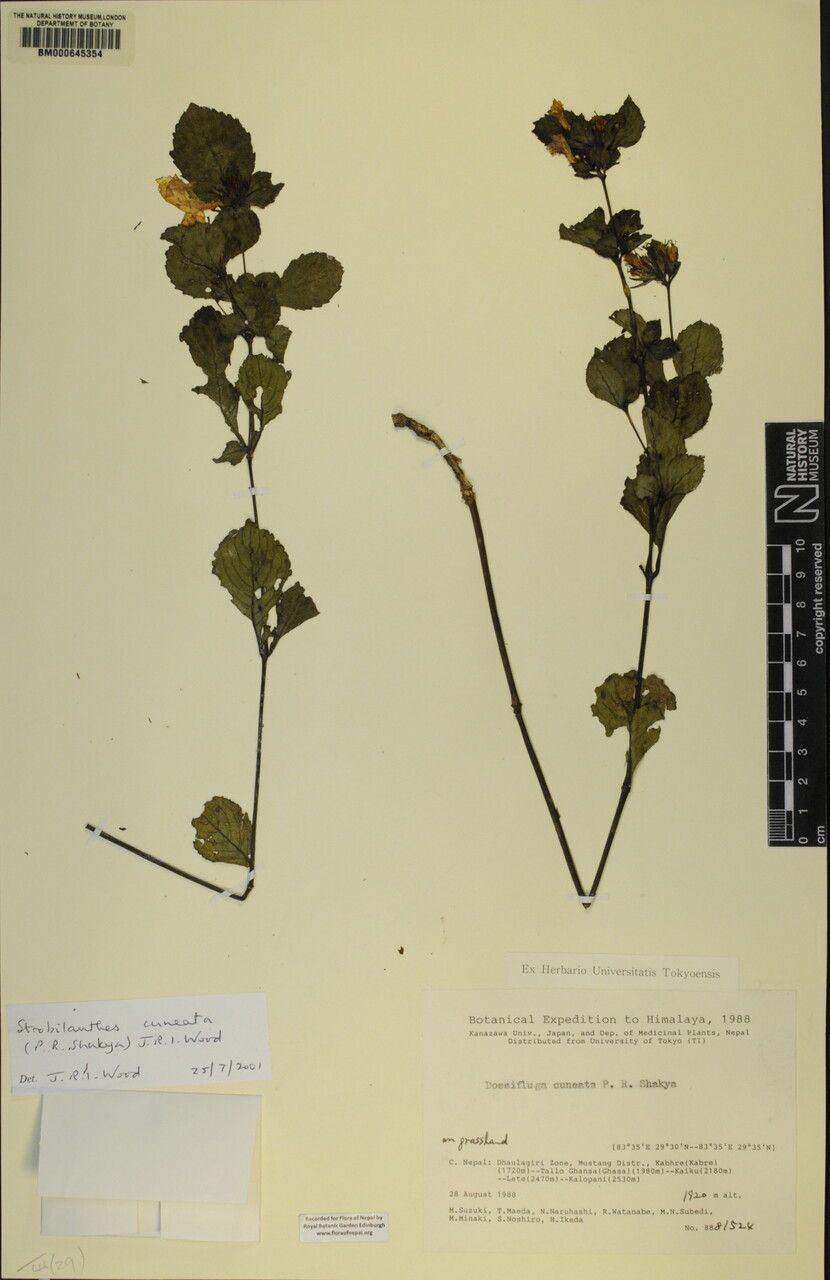
From Leaf to Lush: Propagating the Striking Strobilanthes Cuneata
The Strobilanthes cuneata, also known as the Persian Shield plant, is a real showstopper with its vibrant, iridescent foliage. But with its price tag often reflecting its unique beauty, many gardeners dream of growing this gem from scratch. Luckily, propagating the Persian Shield is a surprisingly easy process, giving you the ability to fill your home with this remarkable plant without breaking the bank.
The Magic of Stem Cuttings:
The most effective and common method for propagating the Strobilanthes cuneata is through stem cuttings. This technique harnesses the plant’s natural ability to regenerate from fragments. Here’s a step-by-step guide:
Choose Your Cutting: Select a healthy stem with at least 3-4 nodes (the points where leaves emerge). The ideal cutting should be around 4-6 inches long.
Prepare the Cutting: Use a sharp, clean blade or scissors to make a clean, angled cut just below a node. Remove any leaves from the bottom inch or two of the stem, leaving a few leaves at the top.
Prepare the Rooting Medium: Fill a small pot with a light, well-draining potting mix. You can also use a mixture of peat moss and perlite for excellent results.
Plant and Water: Make a small hole in the potting mix and insert the prepared stem cutting. Gently firm the soil around the base and water thoroughly.
- Create a Greenhouse: Place the pot in a bright, indirect location, ideally with a humidity dome or plastic bag to create a warm, humid environment.
Nurturing Your Roots:
Patience is key when it comes to rooting your Persian Shield cuttings. It can take anywhere from 4-8 weeks for roots to develop.
- Maintain Moisture: Keep the potting mix consistently moist, but avoid overwatering which can lead to rot. Mist the cuttings regularly to maintain humidity.
- Monitor for Signs of Growth: Watch for new growth, which is a good indicator that roots are forming.
- Gradually Acclimate: Once new growth appears, you can gradually acclimate your cuttings to their new home by slowly reducing the humidity and moving them to a slightly brighter location.
Further Propagation Options:
While stem cuttings are the most popular method, Strobilanthes cuneata can also be propagated using leaf cuttings. This method involves taking a leaf, making a cut at the base, and placing it in a rooting medium. However, leaf cuttings are less reliable than stem cuttings and may take longer to root.
Beyond the Basics:
- Timing is Key: The best time to propagate Persian Shield is during its active growth period, typically spring and summer.
- Rooting Hormones: Using a rooting hormone powder or solution can significantly improve the success rate of rooting your cuttings.
- Disease Prevention: Sterilize your tools (scissors, knives, etc.) to prevent the spread of diseases.
Enjoy Your New Persian Shield Plant:
With a little patience and care, you’ll soon see new growth emerging from your cuttings. Once your Persian Shield plants have established a strong root system, you can transfer them to larger pots or plant them outdoors in warm climates. Remember to pinch back the tips of the new growth to encourage bushier plants with more vibrant foliage.
Now you have the power to create a whole family of Persian Shield plants. This allows you to share the beauty with friends and family or simply enjoy the satisfaction of nurturing your own striking foliage. Happy propagation!