
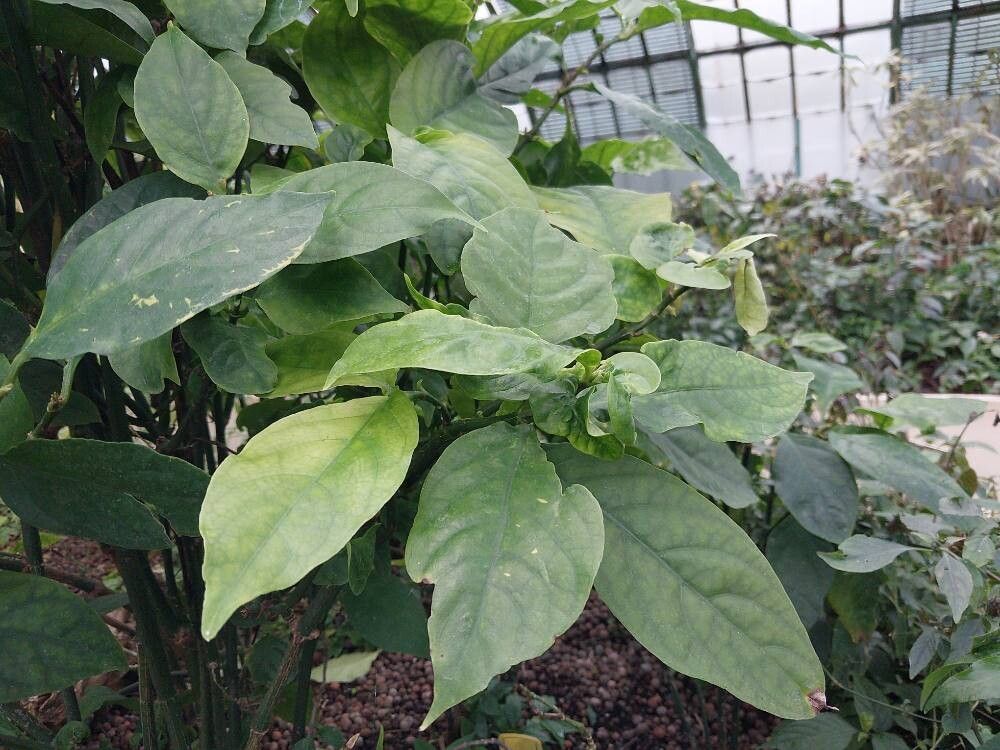
From One Persian Shield to Many: A Beginner’s Guide to Strobilanthes maculata Propagation
The Persian Shield, with its striking silver and purple foliage, isn’t just a beautiful addition to your home, it’s a surprisingly easy plant to multiply! Propagation, the process of creating new plants from existing ones, is a rewarding skill that allows you to enjoy more of your favorite foliage. And with the Persian Shield (Strobilanthes maculata), it’s a simple process even beginners can master.
Why Propagate Your Persian Shield?
Growing new Persian Shields from your existing plant offers several benefits:
- Free Plants: Expand your collection or share the beauty with friends without breaking the bank.
- New Life for Older Plants: Sometimes, older Persian Shields can become leggy or lose their vibrant color. Taking cuttings can rejuvenate the mother plant and create fresh, healthy growth.
- Experimentation: Propagation allows you to try different growing techniques and see what works best for you.
Methods for Propagation:
The most common and successful methods for propagating Persian Shield are:
- Stem Cuttings: This is the easiest and most widely used method.
Stem Cuttings: A Step-by-Step Guide
- Choose Your Cuttings: Select healthy, non-flowering stems from the top of your Persian Shield. Aim for stems that are about 4-6 inches long with several sets of leaves.
- Make the Cut: Use a sharp knife or pruning shears to make a clean cut just below a node (the point where leaves grow).
- Remove Lower Leaves: Remove the lower leaves on the stem, leaving only the top two or three sets.
- Prepare Your Growing Medium: Fill a small pot or tray with a well-draining potting mix. You can also use a mixture of peat moss and perlite.
- Dip in Rooting Hormone (Optional): To encourage faster root development, you can dip the cut end of your stem in a rooting hormone powder or liquid.
- Insert the Cuttings: Gently insert each cutting into the potting mix, making sure the bottom node is covered.
- Water and Cover: Water the cuttings thoroughly and then cover the pot with a plastic bag or dome to create a humid environment.
- Place in Indirect Light: Set the pot in a bright location but avoid direct sunlight.
- Patience is Key: It can take 4-6 weeks for your cuttings to develop roots. Keep the soil moist but not soggy.
- Repotting: Once your cuttings have sprouted new growth, you can transplant them into larger pots with fresh potting mix.
Tips for Success
- Timing is Everything: Spring and summer are ideal times for propagation, when temperatures are warm and there’s plenty of light.
- Humidity Matters: Maintaining a high humidity level around the cuttings is crucial for root development.
- Proper Lighting: Avoid placing your cuttings in direct sunlight as this can scorch the delicate stems.
- Water Wisely: Keep the soil evenly moist but avoid overwatering, which can lead to root rot.
With a bit of care and attention, you’ll soon have a whole new generation of Persian Shields gracing your home with their captivating beauty. So, grab your cuttings and get ready to experience the joys of plant propagation!