
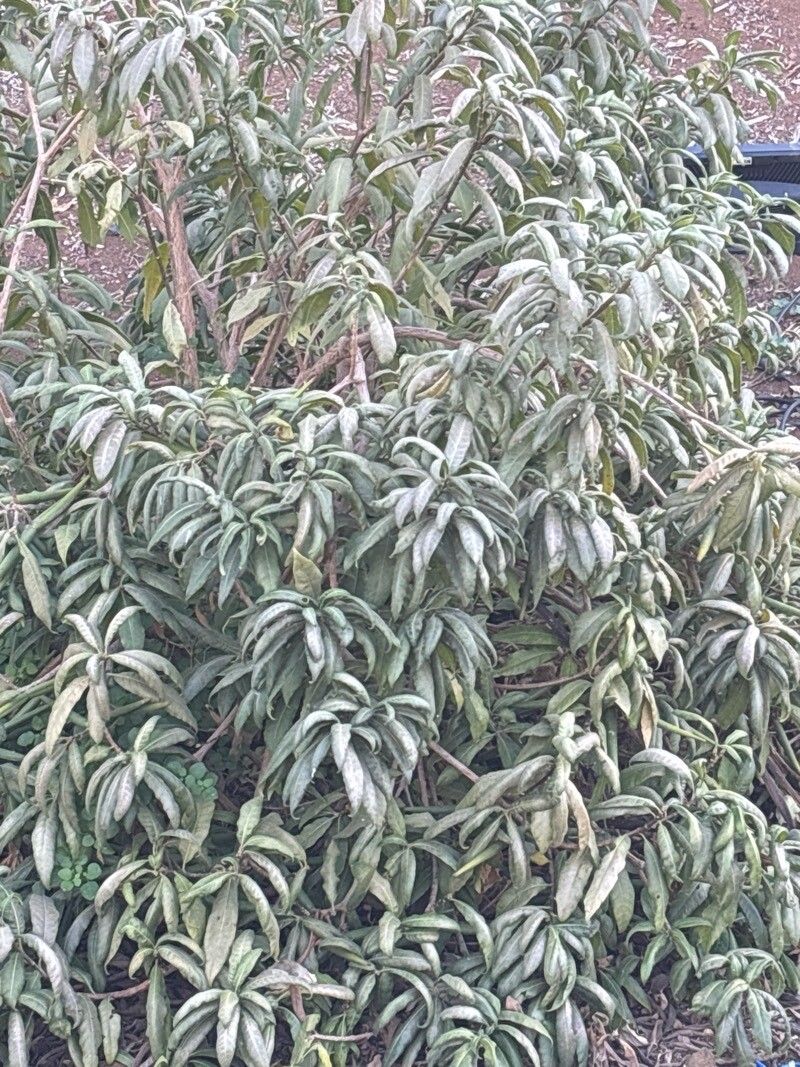
Propagating Strophanthus boivinii: A Gardener’s Challenge and Reward
Strophanthus boivinii, sometimes known as Boivin’s Strophanthus, is a captivating climbing shrub native to Madagascar. Its striking, often dramatically twisted stems, coupled with its beautiful, intricately patterned flowers, make it a highly sought-after plant among specialist gardeners. However, its propagation presents a unique set of challenges, making success all the more rewarding. This article explores the various methods of propagating Strophanthus boivinii, highlighting both hurdles and triumphs.
Seed Germination:
Currently, there are no known reliable methods for seed germination propagation of Strophanthus boivinii. While seeds may be produced, their germination rate is exceptionally low, even under optimal conditions. Further research is needed to determine if specific pre-treatment methods (such as scarification or stratification) might improve germination success. The lack of readily available seed and the low germination rate effectively rule this out as a practical propagation method for most gardeners.
Cuttings:
Cuttings present a more promising avenue for Strophanthus boivinii propagation. However, challenges remain. Challenges: Success depends heavily on factors such as the age and health of the parent plant, the timing of cutting collection (ideally during active growth), and the provision of ideal humidity and warmth. Using semi-hardwood cuttings taken in late summer or early autumn seems to offer the best chance of success. Tips: Use a sharp, clean knife or razor blade to take cuttings of approximately 10-15cm, removing lower leaves to prevent rotting. Apply a rooting hormone and plant in a well-draining, sterile propagation mix, maintaining high humidity (e.g., using a propagator or covering with a plastic bag). Rewards: Successful propagation through cuttings offers a reliable method for cloning desirable specimens and creating multiple plants from a single parent.
Division:
Division is generally not a viable method for propagating Strophanthus boivinii. This plant typically develops a strong, central taproot system, making the division of the rootball difficult and potentially damaging to the plant. Successful division would require considerable expertise and careful handling to avoid significant root damage, resulting in high mortality rates.
Tissue Culture:
Tissue culture offers a potentially highly effective method for large-scale propagation of Strophanthus boivinii. Challenges: Establishing a sterile tissue culture lab and mastering the complex techniques involved requires significant investment and specialized knowledge. This method is not feasible for the average home gardener. Tips: This requires specialized expertise in sterile laboratory procedures, including preparing nutrient media and sub-culturing. The specific hormonal requirements for Strophanthus boivinii would need to be determined through experimentation. Rewards: Tissue culture offers the possibility of rapid and large-scale propagation, producing thousands of genetically identical plants. It also allows for the elimination of diseases and the production of virus-free stock.
Conclusion:
Propagating Strophanthus boivinii is far from straightforward. While seed germination appears unreliable, cuttings offer a practical option for gardeners with some propagation experience. Division is generally not recommended. Tissue culture presents a solution for large-scale production, but requires specialized expertise and resources. The inherent difficulties involved contribute to the unique satisfaction derived from successfully cultivating this striking plant. For aspiring propagators, patience, persistence, meticulous attention to detail, and a willingness to learn from setbacks are crucial. Even partial success – a single rooted cutting – offers a profound sense of accomplishment, highlighting the rewards associated with cultivating this challenging, yet ultimately rewarding, plant.