
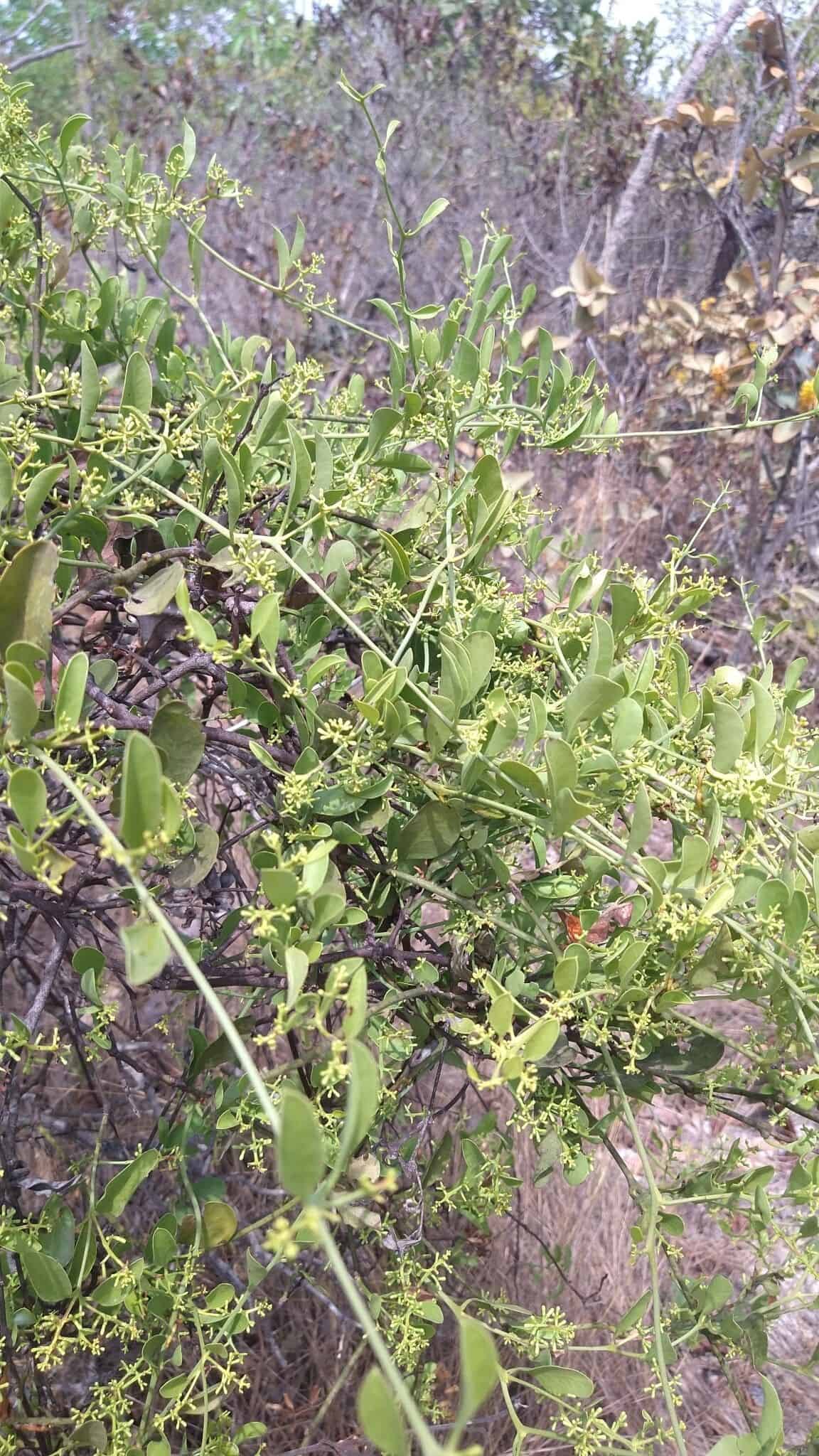
Mistletoe Magic: Unraveling the Propagation Secrets of Struthanthus flexicaulis
Struthanthus flexicaulis, a name that might twist your tongue, belongs to a fascinating group of plants known as mistletoes. But forget those festive holiday sprigs – this mistletoe boasts vibrant blooms and plays a unique role in its ecosystem. Intrigued? Let’s delve into the world of Struthanthus flexicaulis and unlock the secrets of its propagation.
A Mistletoe with a Difference
Found in the tropical regions of South America, Struthanthus flexicaulis stands out from its holiday counterparts. Instead of the familiar white berries, it produces an array of colorful flowers that range from fiery reds and oranges to sunny yellows. These blooms attract a variety of pollinators, including hummingbirds, adding even more vibrancy to their tropical habitat.
Unlike many plants, mistletoes don’t root in soil. Instead, they perch upon the branches of host trees, drawing nutrients and water from their host. This fascinating parasitic relationship is what makes understanding their propagation so intriguing.
Propagation: Seed Dispersal by Feathered Friends
Struthanthus flexicaulis relies on a clever strategy for propagation: aerial dispersal of its seeds by birds. Here’s how it works:
- Attraction and Feasting: The plant’s vibrant flowers entice birds, particularly those with a taste for nectar.
- Sticky Situation: The mistletoe’s fruit, a small berry-like structure, contains seeds coated in a sticky substance called viscin. As birds feast, these sticky seeds cling to their beaks and feathers.
- Flight and Dispersal: The birds, acting as unwitting gardeners, fly off with their sticky passengers.
- New Beginnings: As the birds preen and clean themselves, the sticky seeds are often rubbed off on branches. Finding a suitable host tree branch, the seed germinates, sending out a root-like structure called a haustorium that penetrates the host’s bark, drawing resources and establishing the mistletoe.
Cultivating the Unconventional
While propagating Struthanthus flexicaulis at home poses a unique challenge due to its parasitic nature, understanding its natural process provides valuable insights. Successful cultivation would necessitate the presence of a compatible host tree, mimicking the natural symbiotic relationship.
If you’re feeling adventurous, here’s a basic outline:
- Seed Collection: Obtain ripe fruit from a healthy Struthanthus flexicaulis. Remember to do so responsibly and ethically.
- Seed Preparation: Carefully remove the seeds from the fruit and gently rub them to remove some of the sticky coating.
- Host Tree Selection: Choose a healthy, established tree that is known to be a compatible host for mistletoes in your region.
- Seed Placement: Make a small incision in a young branch of the host tree and carefully insert the seed.
- Observation and Patience: Observe the seed for signs of germination and growth. Keep in mind that success is not guaranteed, and mimicking the natural environment as closely as possible is crucial.
A Delicate Balance
While Struthanthus flexicaulis may appear to be a freeloader, it plays a crucial role in its ecosystem. It provides a food source for pollinators and even creates habitats for insects and small animals within its tangled branches.
Understanding the fascinating propagation methods of this unique mistletoe reminds us of the intricate connections within nature and the delicate balance that keeps ecosystems thriving.