
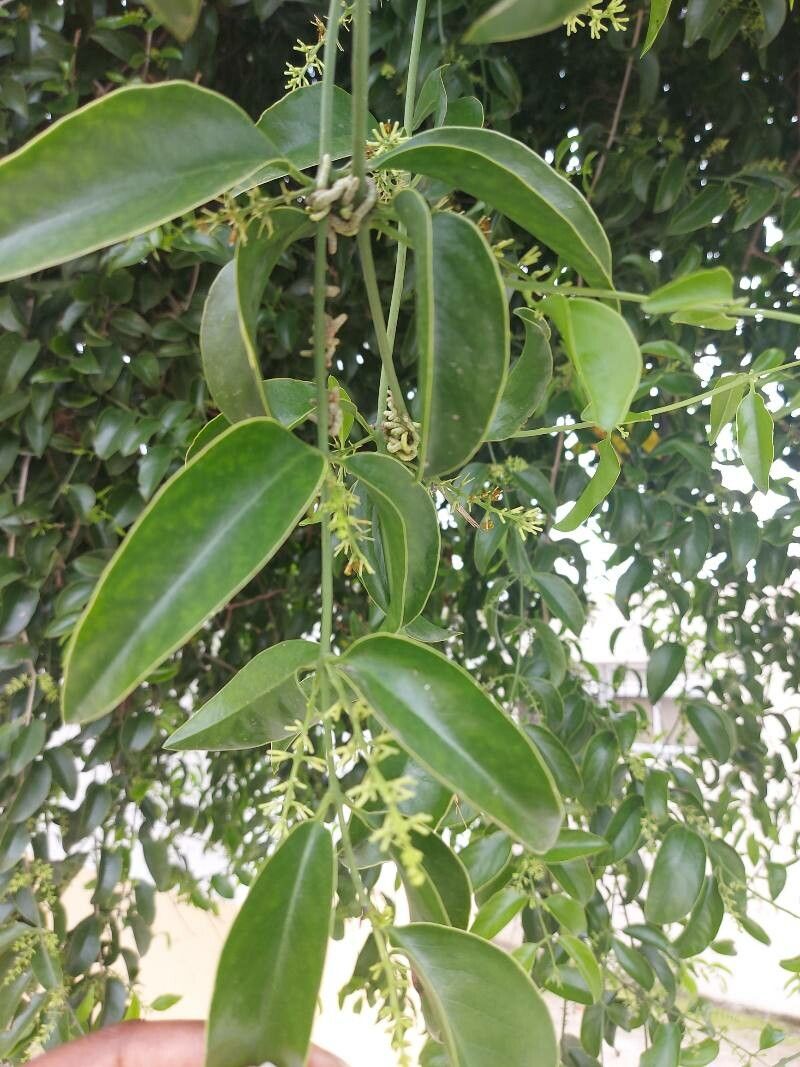
Mistletoe Mysteries: Unlocking the Secrets to Propagating Struthanthus marginatus
Struthanthus marginatus, you say? The name might not exactly roll off the tongue, but this fascinating plant, part of the mistletoe family, holds a special allure for plant enthusiasts and curious minds alike. While not your typical holiday decoration, understanding its propagation methods provides a glimpse into the remarkable world of parasitic plants.
A Life Less Ordinary:
First things first, Struthanthus marginatus isn’t your garden-variety plant. It’s a hemiparasite, meaning it relies on a host plant for some of its nutrients. You’ll often find it clinging to the branches of trees, particularly in tropical and subtropical regions of the Americas. Unlike true parasites, it can photosynthesize and produce some of its own food, making its relationship with its host a bit more complex.
Propagating the Unconventional:
Given its parasitic lifestyle, propagating Struthanthus marginatus at home presents a unique challenge. Sadly, you can’t just snip a stem and stick it in water. Here’s why:
Host Dependency: This mistletoe needs a living host to survive. Simply planting it in soil won’t do the trick.
- Seed Dispersal Challenges: In the wild, Struthanthus marginatus relies on birds for seed dispersal. The birds consume the sticky berries and deposit the seeds onto tree branches, where they germinate and tap into the host’s vascular system.
So, is propagation impossible? Not necessarily.
While challenging, there are ways to propagate this intriguing species, primarily through seed. Success hinges on recreating its natural environment as closely as possible:
Find a Suitable Host: Selecting the right host tree is crucial. Research what species Struthanthus marginatus naturally parasitizes in your region. A healthy, established tree is essential.
Mimicking Nature’s Messengers: Carefully extract seeds from ripe berries and gently press them onto small incisions on the branches of your chosen host tree. The incisions should be shallow to avoid harming the host.
- Patience is Key: Germination and establishment can be slow. Observe your host tree for any signs of new growth, remembering that success is not guaranteed.
Ethical Considerations:
Before attempting propagation, it’s vital to consider the ethical implications. Struthanthus marginatus, like all mistletoes, can impact the health of its host depending on factors like the host species and environmental conditions. While small infestations are usually harmless, large ones can weaken the host tree. Therefore, propagation should only be attempted responsibly and with careful consideration for the host tree’s well-being.
Beyond Propagation:
Even if you don’t plan on cultivating Struthanthus marginatus yourself, understanding its unique propagation methods offers a fascinating glimpse into the intricate world of plant life. It reminds us that there’s always more to learn about the complex relationships within our ecosystems and that sometimes, nature’s solutions are the most ingenious of all.