
Propagating the Kwaaiboom: A Guide to Cultivating Strychnos spinosa
Introduction:
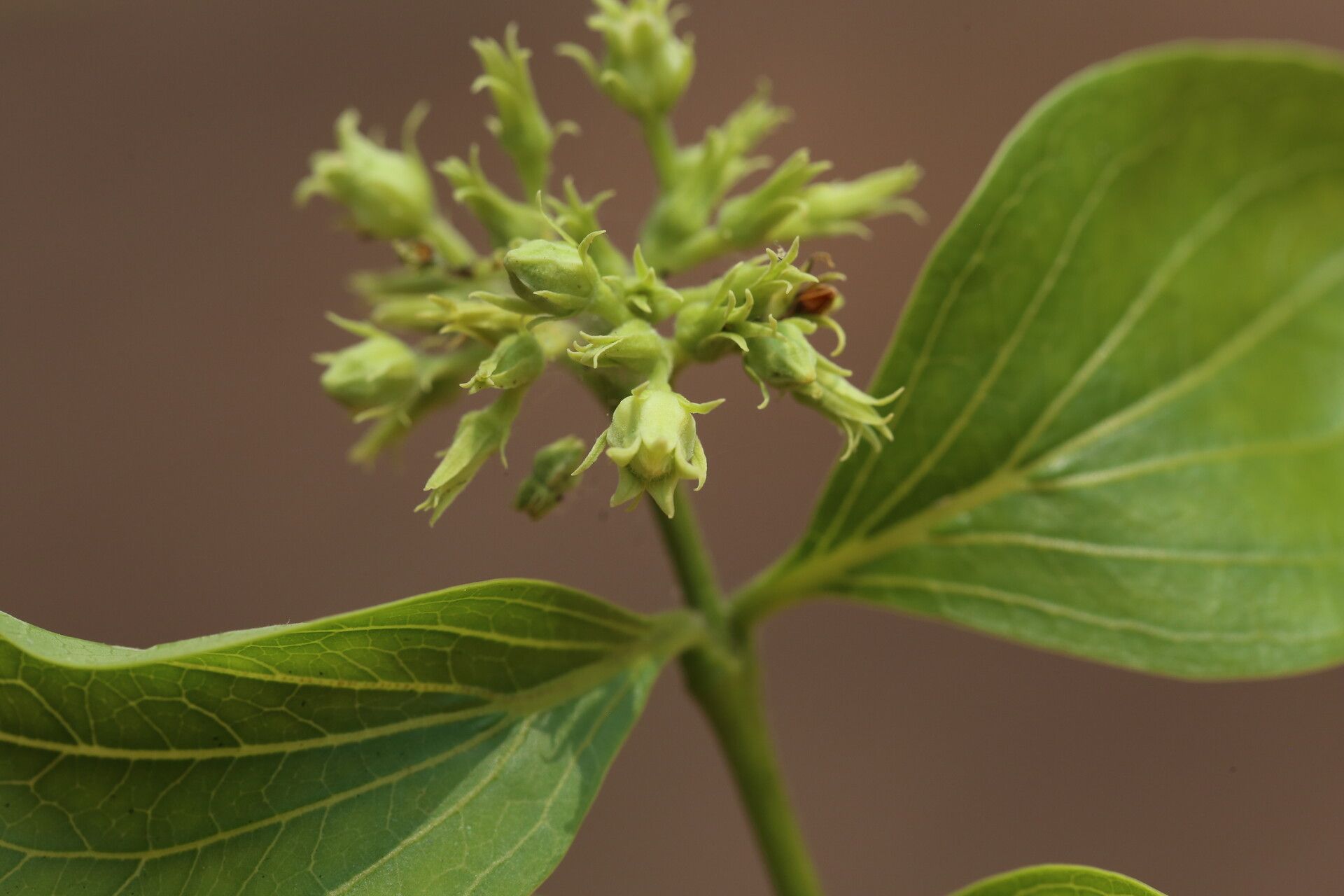
Strychnos spinosa, commonly known as the Kwaaiboom (Afrikaans for “tough tree”) or bitter apple, is a fascinating and hardy, drought-resistant, deciduous tree indigenous to southern and eastern Africa. Its distinctive features include thorny branches, glossy leaves, and attractive, small greenish-white flowers which give way to striking orange-yellow fruits. While not widely cultivated outside its native range, its unique appearance and cultural significance make it a desirable addition to drought-tolerant gardens and collections. Propagating Strychnos spinosa presents some challenges due to its unique characteristics, adding to the satisfaction of successful cultivation.
Seed Germination:
Seed germination is a viable, albeit challenging, method for propagating Strychnos spinosa. The primary hurdle is the hard seed coat, which inhibits water uptake and germination.
Challenges: Dormancy imposed by the hard seed coat.
Tips: Pre-treatment is crucial. Methods include:
- Scarification: Gently nicking or filing the seed coat to allow water penetration. Avoid damaging the embryo.
- Soaking: Soaking seeds in warm water for 24-48 hours before sowing can also improve germination rates.
- Stratification: While not definitively proven for Strychnos spinosa, a period of cold stratification (e.g., 30-60 days at 4°C) might enhance germination success. This step should be investigated further based on observation and scientific research.
- Sowing: Sow seeds in well-draining soil mix, barely covering them with soil. Maintain consistent moisture but avoid waterlogging.
Rewards: High genetic diversity resulting from propagation from seed; potential for large-scale propagation for reforestation or landscaping projects.
Cuttings:
Currently, there are no known reliable methods for propagating Strychnos spinosa from cuttings. The woody nature of the stems and their propensity for fungal infection make successful rooting extremely difficult. Further research into the use of rooting hormones and specialized propagation techniques may be warranted.
Division:
Division is not a practical method for propagating Strychnos spinosa. This species typically develops a deep taproot system that is too difficult to separate without severely damaging the plant and compromising its survival.
Tissue Culture:
Tissue culture offers potential for large-scale propagation of Strychnos spinosa, particularly for preserving genetically valuable individuals or for producing disease-free plants. However, this method requires specialized laboratory equipment, skills, and sterile conditions, making it impractical for most home gardeners.
Challenges: Establishing sterile conditions, identifying suitable media and hormones for optimal growth.
Tips: This method requires expertise from trained personnel proficient in plant tissue culture techniques.
Rewards: Large-scale propagation of uniform plants, disease eradication and preservation of valuable genetic stock.
Conclusion:
Propagating Strychnos spinosa presents unique challenges across all methods. Seed germination, while possible with appropriate pre-treatment, requires patience and attention to detail. Cuttings and division are currently impractical options. Tissue culture offers the greatest potential for large-scale propagation, but requires specialized knowledge and resources. The rewards, however, are well worth the effort. Successfully cultivating this intriguing tree, from a seed to a mature specimen, provides a deep satisfaction that surpasses the difficulties involved. It is worth actively encouraging research and sharing experiences amongst enthusiasts to further improve the efficiency of each method. For aspiring propagators, patience, persistence, and a thorough understanding of the plant’s needs are key to success. Start with seed germination, embracing the challenges as part of the journey, and remember to share your discoveries with the wider plant-propagation community.