
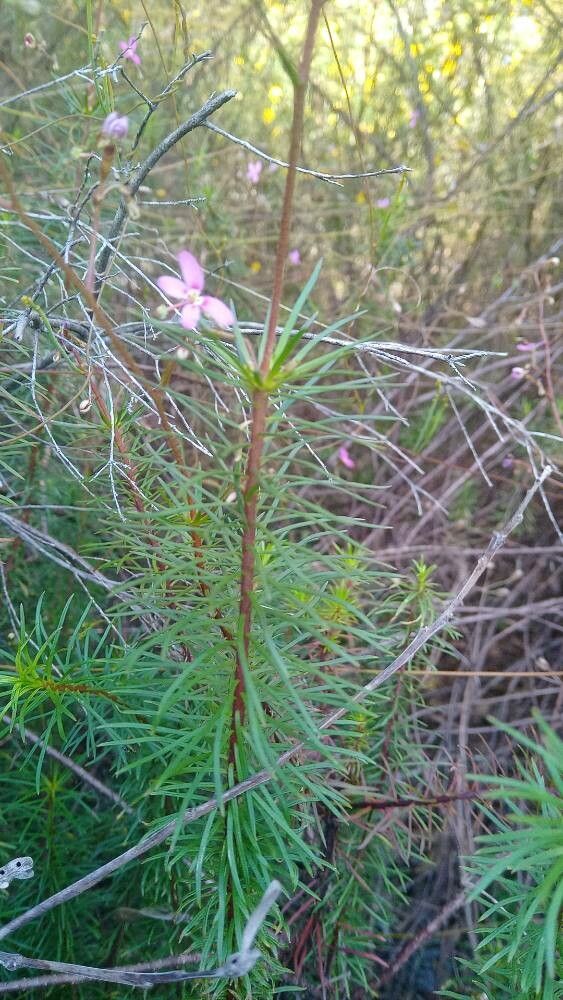
Propagating the Triggerplant: A Guide to Stylidium laricifolium
Introduction:
Stylidium laricifolium, commonly known as the Larch-leaved Triggerplant, is a captivating member of the Stylidiaceae family, native to Australia. Its delicate, needle-like leaves and charming, often vibrant flowers make it a highly sought-after plant among specialist gardeners. The unique trigger mechanism of its flowers, where the pollen is explosively released when triggered by an insect, adds another layer of fascination. Propagating this species, however, presents certain challenges due to its specific environmental needs and somewhat recalcitrant nature. This article explores various propagation methods for Stylidium laricifolium, outlining their viability and associated complexities.
Seed Germination:
Currently, there are no known reliable methods for seed germination propagation of Stylidium laricifolium. While seed production occurs in nature, germination rates in cultivated settings have proven extremely low, even with experimentation using various stratification techniques (such as cold stratification) and sowing media. Further research is needed to determine the optimal germination conditions for this species.
Cuttings:
Cuttings offer a more promising avenue for propagating Stylidium laricifolium.
Challenges: Success with cuttings depends heavily on timing and technique. Using semi-hardwood cuttings taken in late spring or early summer provides the best results.
Tips: Cuttings should be approximately 5-7 cm long, taken from healthy, non-flowering stems. The lower leaves should be removed to prevent rotting before planting in a well-draining, sterile propagation mix (such as a perlite and vermiculite mix). High humidity (provided by a propagator or cloche) and bottom heat (around 20-24°C) are beneficial. Application of a rooting hormone may slightly improve success rates.
Rewards: Cuttings offer a relatively straightforward method of producing clones of the mother plant, ensuring propagation of desirable traits. It’s a more predictable method compared to seed propagation, allowing for greater control over the number and quality of plants produced.
Division:
Division is a viable propagation method for established Stylidium laricifolium plants.
Challenges: This method is only suitable for mature plants with well-developed root systems. Care must be taken to avoid damaging the roots during the division process, which can lead to plant stress and failure. The timing is crucial, preferably undertaken in spring or autumn when the plant is actively growing but not flowering.
Tips: Gently lift the entire plant, separating the root crown into smaller sections, ensuring each division has a healthy root system and multiple growth points. Replant immediately into well-draining soil, ensuring adequate spacing.
Rewards: Division allows for rapid propagation of established plants, leading to quicker increase in plant numbers compared to cuttings. This method maintains the genetic uniformity of the parent plant.
Tissue Culture:
Tissue culture propagation for Stylidium laricifolium is largely unexplored.
Challenges: Establishing a successful tissue culture protocol would require significant expertise in plant tissue culture techniques and significant experimentation to determine the optimal media composition, growth hormones, and environmental conditions.
Tips: There is currently insufficient information to offer practical steps. Research into suitable protocols for similar Stylidium species might guide initial attempts.
Rewards: Tissue culture holds the potential for large-scale propagation and the preservation of rare or threatened genotypes. This method would be the most reliable approach for mass production, but establishing the techniques represents a considerable undertaking.
Conclusion:
Propagating Stylidium laricifolium poses unique challenges across all methods, with seed germination currently proving unsuccessful. Cuttings and division offer viable but imperfect solutions, requiring careful technique and attention to detail. Tissue culture holds promise for large-scale propagation but necessitates extensive research and expertise. The rewards, however, are considerable: successful propagation not only provides more of this exquisite plant for personal enjoyment but contributes to its conservation and wider availability. The satisfaction of successfully nurturing a new plant from a cutting or division, especially considering the initial difficulty, makes the experience incredibly rewarding. Perseverance and patience are key – persistence will eventually yield success for the dedicated cultivator.