
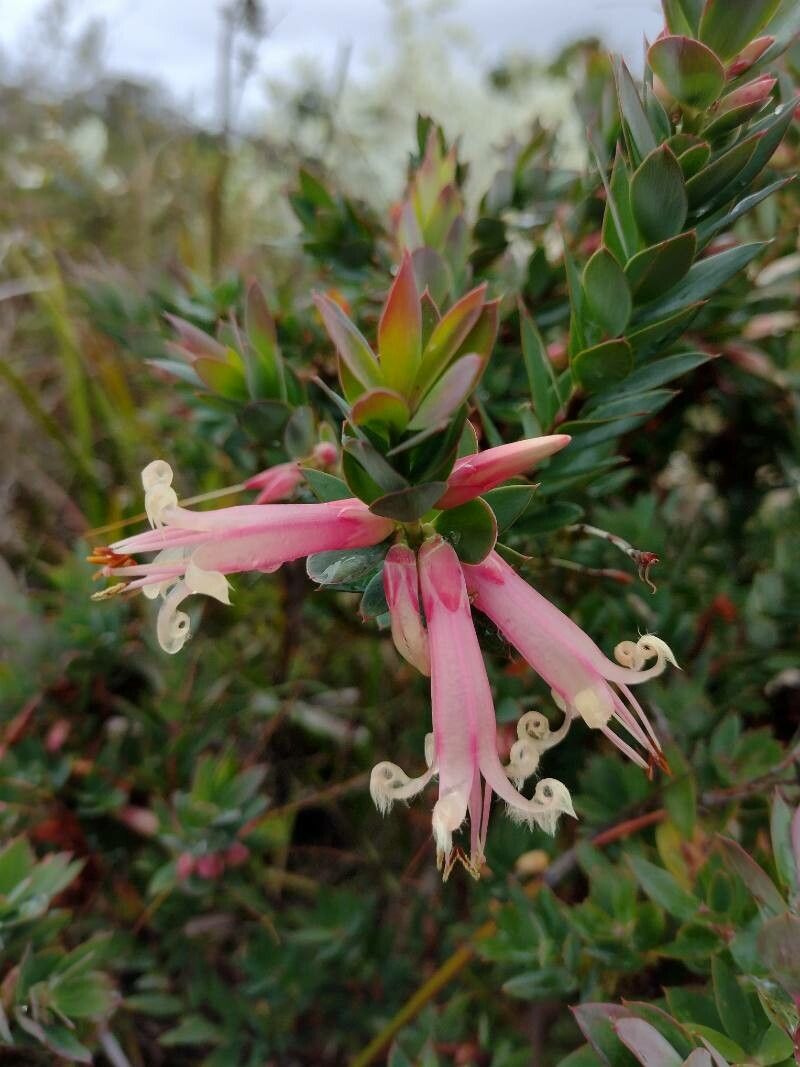
Taming the Tasmanian: Propagating the Beautiful Styphelia triflora
The Styphelia triflora, also known as the Pink Five-Corners, is a Tasmanian native boasting delicate pink bell-shaped flowers and tough, wiry foliage. This evergreen shrub, with its year-round beauty and ability to attract local pollinators, is a coveted addition to gardens in suitable climates. But propagating this Tasmanian beauty can seem like a daunting task. Fear not! With a bit of patience and the right techniques, you can successfully grow new Styphelia triflora plants and enjoy their unique charm.
Method 1: Seed Propagation – A Test of Patience
Propagating Styphelia triflora from seed requires dedication, as germination can be slow and somewhat erratic:
- Seed Collection: Collect ripe fruits from late summer to autumn. Look for small, fleshy, five-lobed capsules that readily release their tiny seeds.
- Seed Treatment: Soak the seeds in warm water for 24 hours before sowing to improve germination rates. Some growers also recommend a period of cold stratification (placing the seeds in moist vermiculite in the refrigerator for a few weeks) to mimic natural conditions and further encourage germination.
- Sowing: Sow seeds in a well-draining seed-raising mix, lightly covering them with vermiculite or fine sand.
- Patience is Key: Keep the seed tray in a warm, shaded location, misting regularly to maintain moisture. Germination can take anywhere from a few weeks to several months.
Method 2: Cuttings – A More Reliable Approach
Propagating Styphelia triflora from cuttings offers a higher success rate and faster results:
- Timing is Everything: Take cuttings in late spring or early summer from healthy, non-flowering shoots.
- Cut with Care: Using sharp, sterilized secateurs, take cuttings around 7-10cm long, making a clean cut just below a node (where the leaves are attached). Remove the lower leaves, leaving 2-3 pairs at the top.
- Hormone Help: Dip the cut end of each cutting in rooting hormone powder or gel to stimulate root development.
- Potting Up: Plant the cuttings in pots filled with a well-draining, free-draining propagation mix, burying the bottom node.
- Creating the Ideal Environment: Place the pots in a warm, humid environment, such as a propagator or under a plastic bag, ensuring adequate ventilation.
- Root Development: With proper care, roots should develop in 6-8 weeks. Once new growth appears, you can gradually acclimatize the cuttings to outdoor conditions before transplanting.
Key Considerations for Success:
- Well-draining Soil: Styphelia triflora detests waterlogged conditions. Ensure the potting mix drains freely and avoid overwatering.
- Sunlight Requirements: While tolerant of some shade, Styphelia triflora thrives in sunny positions. Choose a bright spot in your garden that receives at least 4-6 hours of sunlight daily.
- Pest and Disease Control: Be watchful for common garden pests and diseases. Healthy plants are generally more resilient.
- Patience, Patience, Patience: Remember that Styphelia triflora, like many Australian natives, can be slow-growing. Don’t be discouraged if it takes time for your new plants to establish.
With the right techniques and a little nurturing, you can propagate this Tasmanian native and enjoy the beauty of the Styphelia triflora in your own backyard. Happy propagating!