
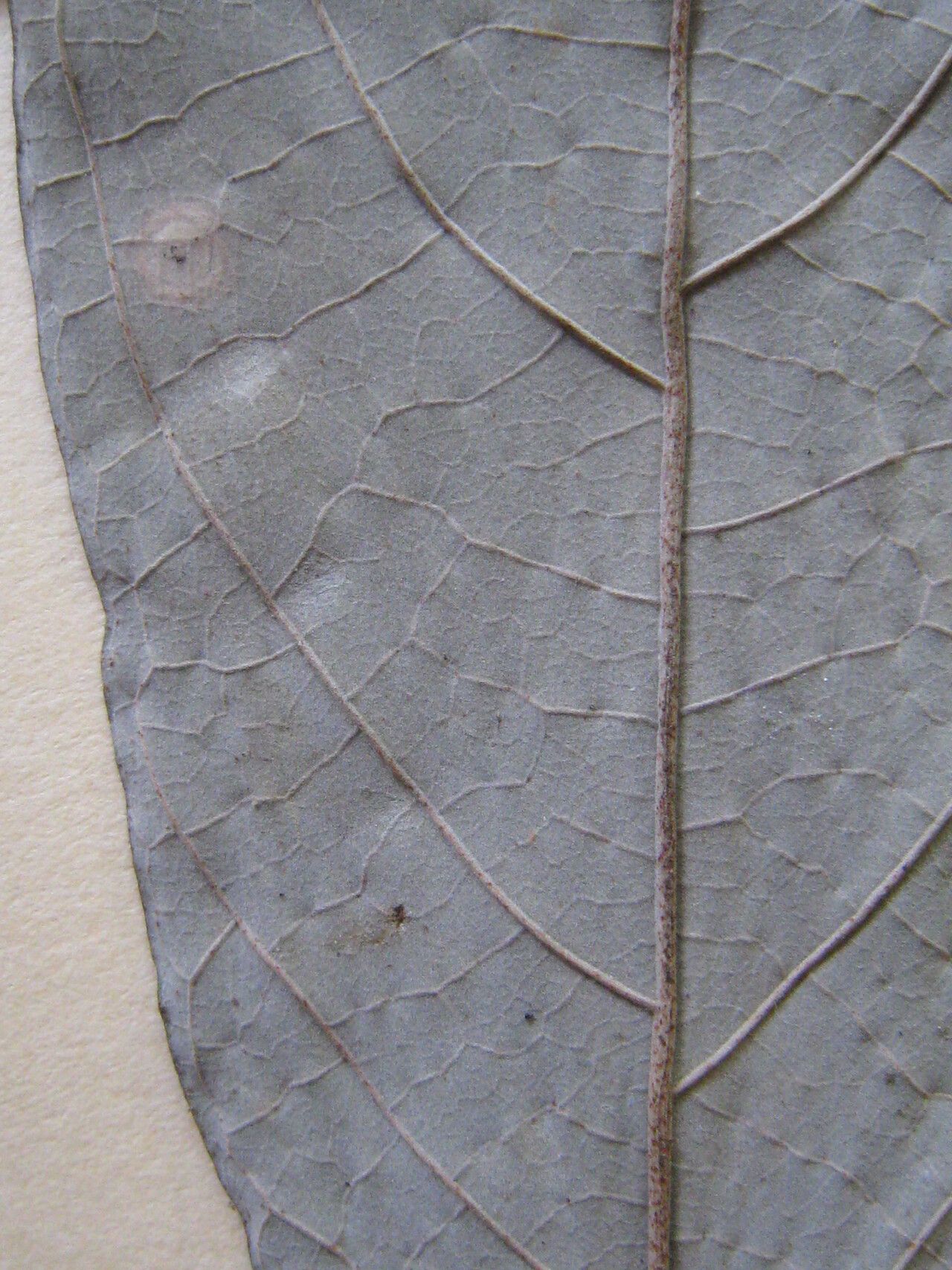
Bringing Home the Beauty: Propagating Styrax pohlii
The Styrax pohlii, also known as the Brazilian Snowbell, is a stunning tree that captivates with its fragrant, white, bell-shaped flowers and lush, dark green foliage. If you’re lucky enough to own one of these beauties, you might be wondering how to share its charm with others – or simply expand your own collection. Enter the world of plant propagation!
Why Propagate?
Propagation allows you to create new plants from existing ones, offering a number of benefits:
- Accessibility: It’s a cost-effective way to enjoy more of your favorite plants, without having to buy new ones.
- Genetic Fidelity: Propagation methods like cuttings and layering ensure the new plants are exact replicas of the parent, preserving their unique characteristics.
- Expansion: It allows you to grow your collection with ease and share the joy of gardening with friends and family.
Methods for Propagating Styrax pohlii
While several methods can be successful, the most common and reliable options for Styrax pohlii are:
This technique involves taking cuttings from new growth during the spring or early summer. Here’s how:
- Select healthy stems: Choose non-flowering, semi-mature stems with several nodes (the bumps where leaves sprout).
- Cut below a node: Use sharp, clean pruning shears to make a clean cut just below a node, ensuring the cut is at a 45-degree angle.
- Remove lower leaves: Trim away any leaves below the soil line to prevent rot.
- Dip in rooting hormone: This optional step helps stimulate root growth.
- Plant in a suitable medium: Use a well-draining mix, like a combination of peat moss and perlite, and insert the cuttings about 2 inches deep.
- Keep moist and humid: Maintain consistently moist soil and provide a high-humidity environment, such as using a propagator dome or covering the pot with a plastic bag.
- Position in indirect light: A bright spot out of direct sunlight is ideal.
2. Air Layering:
Air layering is a technique that encourages root development on a stem while it remains attached to the parent plant. This method is particularly effective for Styrax pohlii and offers a higher success rate than cuttings:
- Select a stem: Choose a healthy, flexible stem with a diameter of at least ½ inch.
- Make a cut: Use a sharp knife to make a circular incision around the stem, about 1 inch wide.
- Expose the cambium layer: Carefully remove the bark from the incision area, revealing the green cambium layer.
- Apply rooting hormone: Apply a generous amount of rooting hormone powder to the exposed area.
- Wrap with sphagnum moss: Moistened sphagnum moss is essential to provide a humid environment for root development. Wrap the moss around the incision and secure it with clear plastic wrap.
- Monitor progress: Regularly check the moss for dryness and keep it consistently moist.
- Sever and pot: Once roots have developed (typically within a few months), carefully sever the stem below the layered area and pot it in a well-draining soil mix.
Tips for Success
- Timing: Early spring or late summer are ideal times for propagation.
- Environment: Ensure proper humidity and temperature control during the rooting process.
- Patience: It can take several weeks or months for roots to develop, so be patient and keep the cuttings or layers well cared for.
- Watering: Water as needed to maintain a consistently moist soil, but avoid overwatering.
- Don’t rush: It’s best to let the new plants acclimate to their new pots before transplanting them outdoors.
Final Thoughts
Propagating your Styrax pohlii is an exciting journey. By following these tips and embracing the challenge, you can enjoy the beauty of this captivating tree in multiple locations and share the joy of gardening with others. Happy propagating!