
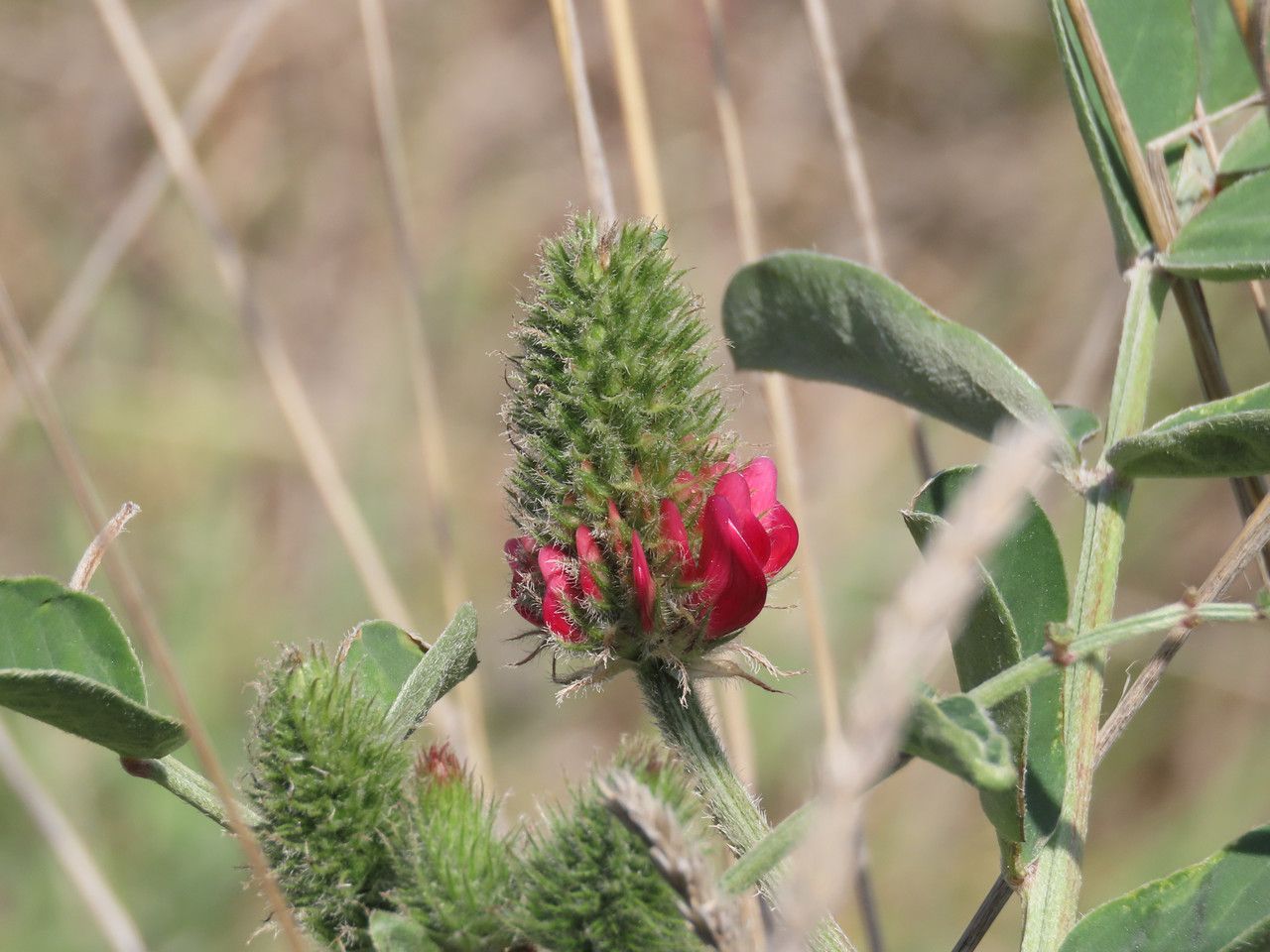
Unleash the Purple Powerhouse: Propagating Sulla Coronaria (French Honeysuckle)
Looking for a striking, beneficial addition to your garden ecosystem? Look no further than Sulla coronaria, more commonly known as French honeysuckle or sulla clover. This nitrogen-fixing legume boasts beautiful spikes of vibrant purple flowers that bees adore and it’s surprisingly easy to propagate! Whether you’re a seasoned gardener or just starting out, follow these tips and tricks to welcome this powerhouse plant into your own backyard haven.
Two Paths to Propagation:
Sulla coronaria can be propagated through two main methods:
1. Seed Starting: Embark on this satisfying journey by starting your Sulla coronaria from seed.
* **Timing is Key:** Late winter or early spring is the ideal time to sow these seeds indoors. Aim for 6-8 weeks before your last expected frost.

* **Scarification for Success:** Sulla coronaria seeds have a hard outer coating that benefits from scarification. Give them a gentle nick with sandpaper or soak them in warm water for 24 hours before planting.

* **Sowing with Care:** Plant the seeds about ¼ inch deep in a well-draining seed starting mix. Keep the soil consistently moist but not waterlogged.

* **Light and Warmth:** Place your seed trays in a bright location, but out of direct sunlight. A consistent temperature of around 70°F (21°C) will encourage germination.

* **Transplant Time:** Once the seedlings have developed a couple of sets of true leaves and the risk of frost has passed, it's time to transplant them outdoors into their permanent location. Choose a sunny spot with well-drained soil.
2. Cuttings for Quicker Results: If you’re after a faster approach, propagating through cuttings is a great option.
* **The Right Timing:** Early summer, when the plant is actively growing, is the optimal time to take cuttings.

* **Selecting Healthy Stems:** Look for healthy, non-flowering stems about 4-6 inches long.

* **Creating the Cutting:** Using a sharp, clean knife or pruning shears, make a cut just below a leaf node. Remove the lower leaves, leaving only a couple at the top.

* **Encouraging Root Development:** Dip the cut end in rooting hormone (optional but helpful) and then plant the cutting in a pot filled with a well-draining potting mix.

* **Creating a Humid Environment:** To promote rooting, cover the pot with a plastic bag or humidity dome. Make sure the plastic doesn't touch the cutting.

* **Patience Is a Virtue:** Keep the soil consistently moist and wait for about 4-6 weeks for roots to develop. You'll know it's working when you see new growth on the cutting. Once the roots are established, you can transplant it to its final location in your garden.
Caring for your Sulla Coronaria:
Sulla coronaria is a relatively low-maintenance plant. It prefers full sun to partial shade and well-drained soil. Once established, it’s fairly drought-tolerant. Deadhead spent flowers to encourage more blooms and a longer flowering season.
By following these simple steps, you’ll be well on your way to successfully propagating Sulla coronaria and reaping the rewards of this beautiful and beneficial plant in your very own garden. Get ready to be amazed by its vibrant blooms and the buzzing of happy pollinators!