
Propagating Swainsona procumbens: A Guide to Cultivating the Darling Pea
Introduction
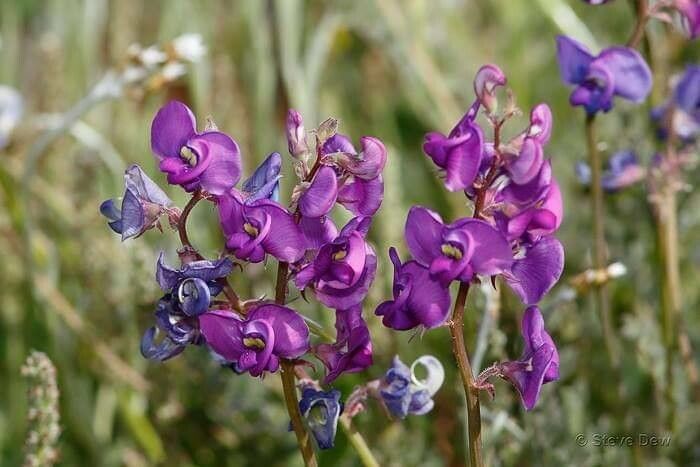
Swainsona procumbens, commonly known as the Darling Pea, is a charming, prostrate native Australian legume prized for its vibrant, pea-like flowers ranging in color from deep crimson to pale pink and even white. Its trailing habit makes it ideal for rockeries, hanging baskets, or as ground cover, adding a splash of native beauty to any garden. Its popularity amongst gardeners stems from its drought tolerance, low maintenance requirements, and attractiveness to pollinators. However, propagation can be challenging, making successful cultivation all the more rewarding.
Seed Germination
Seed germination for Swainsona procumbens is possible but often presents significant challenges. The hard seed coat can hinder water uptake, slowing or preventing germination.
Challenges: Dormancy is a major hurdle. Many seeds require scarification (damaging the seed coat) to break dormancy. Even with scarification, germination rates are often low and inconsistent.
Practical Tips: Pre-sowing treatments are key. Implement scarification by gently nicking the seed coat with a sharp knife or using sandpaper. Soaking seeds in warm water for 24-48 hours prior to sowing can also aid germination. Sow seeds thinly in a well-draining seed-starting mix, keeping the mix moist but not waterlogged. Warm temperatures (around 20-25°C) and bright, indirect light are beneficial. Consider using a propagation mat to maintain consistent warmth.
Rewards: Successful seed germination offers access to a wide range of genetic diversity, providing opportunities for selecting desirable traits and large-scale propagation for conservation or commercial purposes.
Cuttings
Propagation via cuttings is another option for Swainsona procumbens, albeit with limitations.
Challenges: Softwood cuttings often fail to root readily. Hardwood cuttings might be more successful but require careful preparation and conditions. Root rot is a common issue due to the plant’s sensitivity to overwatering.
Practical Tips: Take semi-hardwood cuttings in spring or early summer. Use a sharp, clean knife or shears to prevent the spread of disease. Dip the cut end in a rooting hormone powder before planting in a well-draining propagation mix. Maintain high humidity using a humidity dome or plastic bag. Ensure good ventilation to prevent fungal growth. Avoid overwatering.
Rewards: Cuttings provide a faster propagation method than seed germination, resulting in genetically identical plants to the parent. This ensures preservation of desirable characteristics if cloning a superior mother plant.
Division
Division of established Swainsona procumbens plants is a relatively simple and reliable method of propagation.
Challenges: This method is only viable for mature, well-established plants. It can be disruptive to the parent plant and requires careful handling to prevent damage to the roots and stems.
Practical Tips: Divide the plant in spring or autumn, carefully separating the root system into smaller sections, each with multiple stems and roots. Plant the divisions immediately into well-prepared soil and water thoroughly. Avoid overwatering to reduce the risk of root rot.
Rewards: Division is a quick and easy way to increase the number of plants, ensuring the resulting offspring inherit their identical genetic characteristics to the original.
Tissue Culture
Currently, there are no widely published or readily accessible protocols for tissue culture propagation of Swainsona procumbens. While theoretically possible, further research and development are needed to establish reliable techniques.
Conclusion
Propagating Swainsona procumbens presents unique challenges across all methods, ranging from seed dormancy to the susceptibility of cuttings to root rot. While seed germination offers the greatest genetic diversity, its success rate is often low. Cuttings offer a quicker but less genetically varied method, while division is easiest but limited to mature plants. Tissue culture remains an unexplored avenue. However, the rewards are significant. The vibrant display of flowers and the satisfaction of overcoming the propagation hurdles to cultivate this beautiful native plant far outweigh the difficulties involved. For aspiring propagators, patience, meticulous attention to detail, and a willingness to experiment with different techniques are key to success. Don’t be discouraged by initial setbacks – with persistence, the beauty of the Darling Pea will flourish in your garden.