
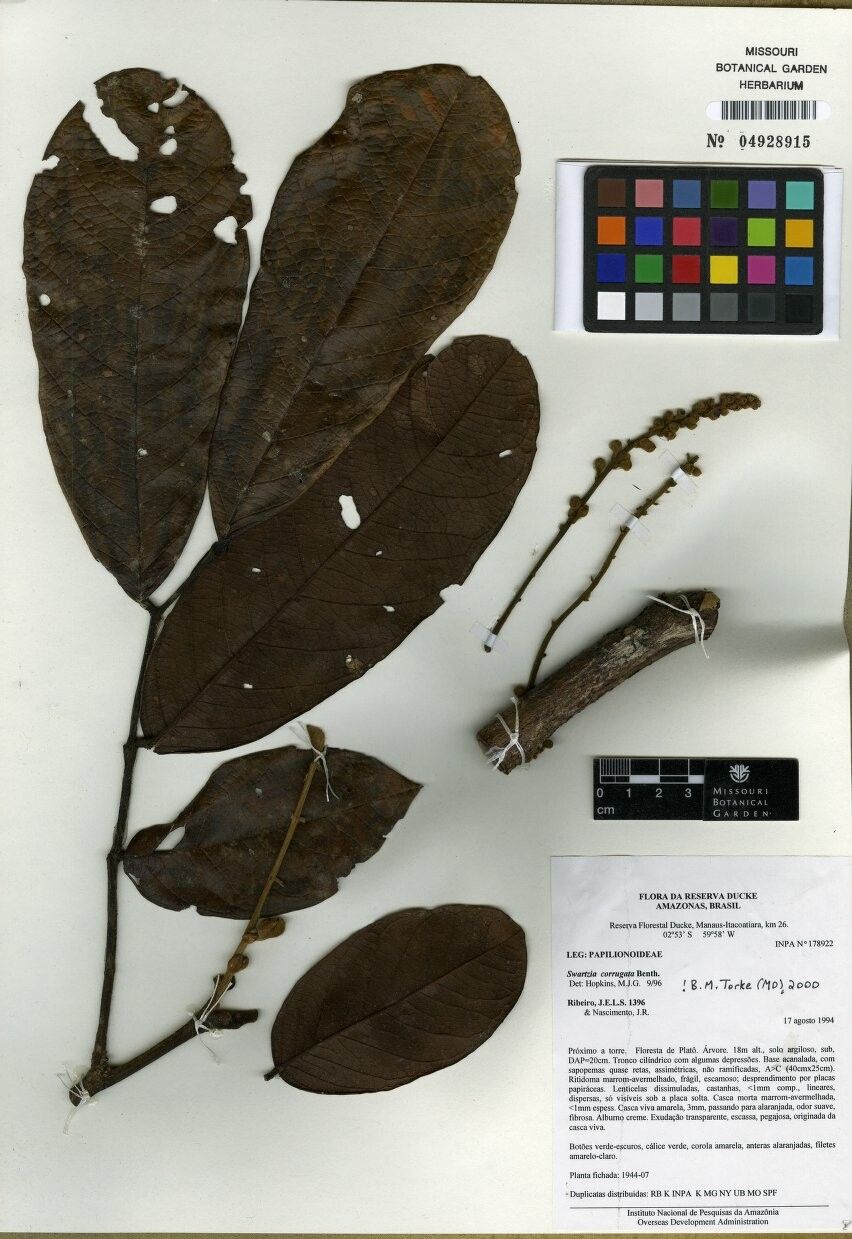
Propagating Swartzia corrugata: A Gardener’s Guide
Introduction:
Swartzia corrugata, commonly known as the "corrugated Swartzia" or sometimes simply "Swartzia," is a captivating tropical tree prized for its unique, textured bark and often attractive foliage. While its exact horticultural significance varies depending on region and cultivar, its distinctive appearance makes it a sought-after addition to specialized gardens and collections. Its popularity among gardeners stems from its unusual beauty and potential as an ornamental specimen. However, propagating Swartzia corrugata presents unique challenges, making successful cultivation a significant achievement.
Seed Germination:
Currently, there are no known reliable methods for seed germination propagation of Swartzia corrugata. Research on this species’ propagation is limited, and reported germination success rates are extremely low, if any exist. Further research is needed to determine optimal seed treatment techniques that might overcome dormancy and improve germination rates.
Cuttings:
While seed propagation proves difficult, vegetative propagation through cuttings offers a potentially more reliable approach for Swartzia corrugata. However, success is still not guaranteed and requires diligent effort.
Challenges: Hardwood cuttings are likely to be the most successful method, but rooting requires considerable patience and potentially the use of rooting hormones. The slow growth rate of the species further complicates propagation efforts. Fungal infections can also be a significant hurdle.
Practical Tips: Semi-hardwood or hardwood cuttings taken from healthy, vigorous shoots during the dormant season are recommended. The cuttings should be at least 6-8 inches long and treated with rooting hormone before planting in a well-draining, moist propagation mix. High humidity and bottom heat are also advised. Regular misting will help maintain moisture levels.
- Rewards: Successful propagation through cuttings ensures the preservation of desirable traits present in the parent plant. It also provides a faster method of multiplication compared to seed propagation (if successful seed germination were achieved).
Division:
Division is not a feasible propagation method for Swartzia corrugata. This tree species does not readily form multiple stems or suckers from its root system, precluding the use of division.
Tissue Culture:
Tissue culture represents a promising but technologically challenging avenue for propagating Swartzia corrugata.
Challenges: Establishing aseptic culture conditions and identifying appropriate media and growth regulators for optimal shoot proliferation and rooting are significant hurdles. Tissue culture techniques necessitate specialized expertise and laboratory facilities.
Practical Tips: Research into appropriate media compositions, growth regulators (such as auxins and cytokinins), and sterilization protocols is crucial. A skilled tissue culture specialist would lead the effort.
- Rewards: Tissue culture presents the most effective means for large-scale propagation and the preservation of genetic diversity. It also enables the rapid multiplication of elite genotypes.
Conclusion:
Propagating Swartzia corrugata presents a significant challenge, with seed propagation currently proving unreliable. Cuttings offer a more likely, but still difficult, method, while division and tissue culture present their own respective challenges. The slow growth rate of the species regardless of the propagation technique reinforces the need for patience and persistence. However, the rewards of successfully cultivating this unique plant – whether from a single cutting or a tissue culture experiment – are immense. The satisfaction derived from nurturing this beautiful tree from a small cutting or a single cell into a mature specimen is a true testament to the gardener’s dedication and horticultural skill. For aspiring propagators, remember that consistent effort, attention to detail, and potentially collaboration with plant tissue culture specialists will significantly improve your chances of success. The journey, even with its inherent difficulties, is what makes this endeavour particularly rewarding.
