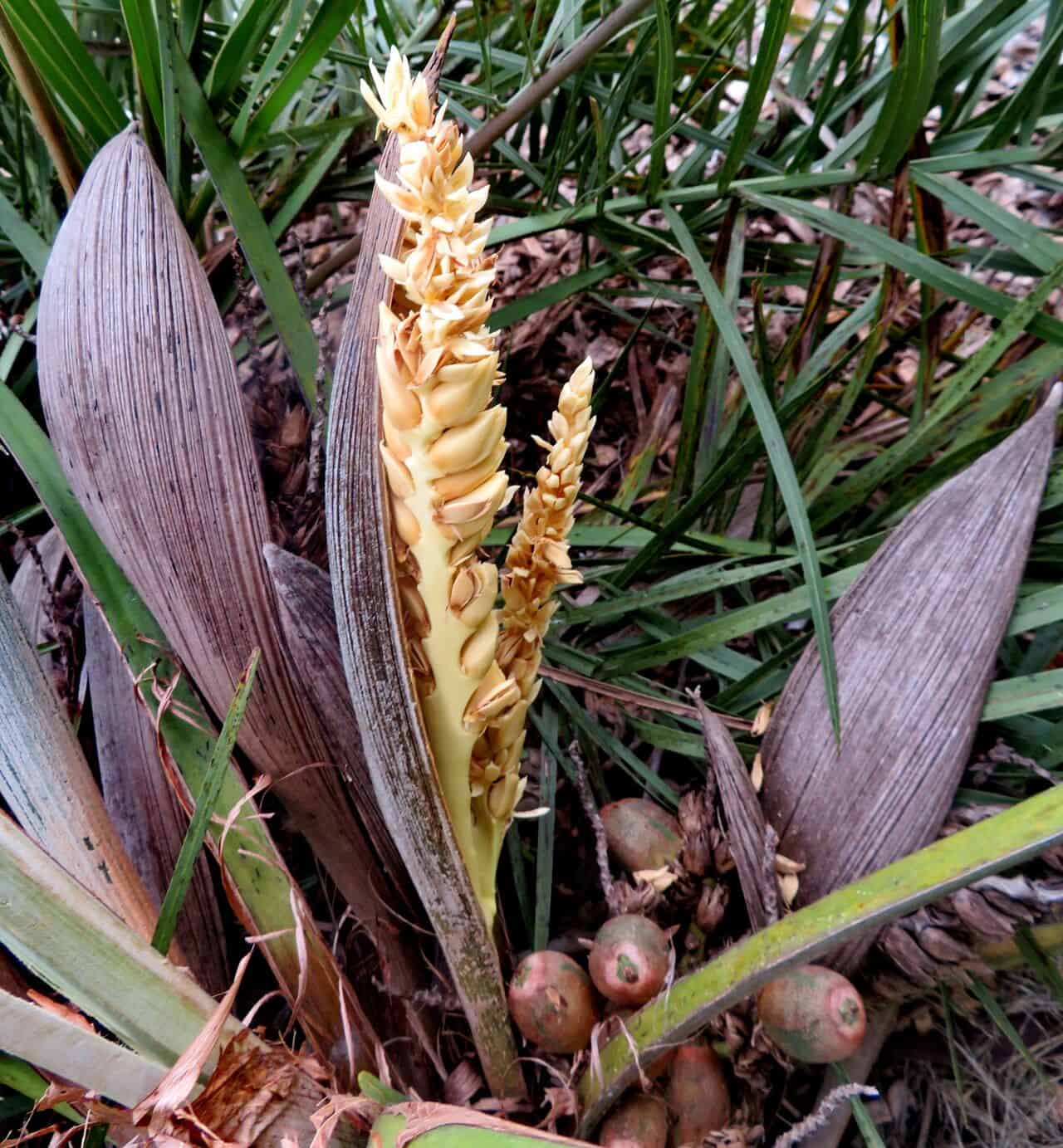
Propagating the Cerrado Palm: A Guide to Syagrus campestris
Introduction:
Syagrus campestris, commonly known as the Cerrado palm or Argentine pindo palm, is a striking ornamental plant prized for its elegant, feather-like fronds and relatively compact size compared to other Syagrus species. Native to central South America, it is increasingly popular among gardeners for its hardiness, drought tolerance, and appealing aesthetic qualities. Its relatively slow growth rate, however, makes propagation crucial for wider availability, and understanding the various techniques is key to success. While seed propagation offers the potential for genetic diversity, other methods, such as tissue culture, may prove more efficient for large-scale cultivation.
Seed Germination:
Seed germination is a viable method for propagating Syagrus campestris. However, it presents several challenges. Fresh seeds are essential for high germination rates; older seeds exhibit significantly reduced viability. The hard seed coat can hinder germination, necessitating some form of pre-treatment. Scarification (mechanically breaking the seed coat) or soaking the seeds in warm water for 24-48 hours before sowing can improve germination success.
Practical Tips: Sow seeds in a well-draining seed-starting mix, keeping the mix consistently moist but not waterlogged. A warm temperature (around 25-30°C) and high humidity are beneficial. Germination can take several weeks to several months.
Rewards: Successful germination of Syagrus campestris seeds yields genetically diverse seedlings, offering a wider range of traits and increased resilience in the resulting population. This method is also cost-effective for large-scale propagation if sufficient fresh seed is available.
Cuttings:
Currently, there are no known reliable methods for propagating Syagrus campestris using cuttings. Syagrus campestris, like most palms, does not readily propagate from stem or leaf cuttings. The vascular system of these plants makes it difficult for cuttings to root and develop into independent plants.
Division:
Division is also not a practical method for propagating Syagrus campestris. This palm lacks the readily divisible offshoots or suckers that would allow for successful division which produces viable plants.
Tissue Culture:
Tissue culture presents a potentially viable, albeit technically demanding, method for propagating Syagrus campestris. This technique involves growing plant tissues in a sterile, nutrient-rich medium under controlled conditions. While offering the potential for rapid multiplication and producing clones with desirable traits, tissue culture requires specialized equipment, a clean lab environment, and considerable expertise. Successful establishment of a tissue culture protocol for Syagrus campestris would require extensive research and optimization, but could lead to efficient mass propagation.
Conclusion:
Propagating Syagrus campestris presents unique challenges across different methods. While seed germination is viable, it requires patience and attention to detail, including pre-treatment for improved germination rates. Cuttings and Division are generally unsuccessful. Tissue culture, though technically difficult and expensive, holds the greatest potential for large-scale propagation.
The reward for successful propagation, however, is significant. The process fosters a deep appreciation for the resilience and beauty of this remarkable palm. Overcoming the difficulties associated with propagation, whether through patient seed germination or tackling the sophisticated techniques of tissue culture, brings immense satisfaction. To aspiring propagators, I encourage persistence and thorough research. Even with setbacks, the journey of nurturing a Syagrus campestris from seed or tissue culture to a thriving mature plant is a rewarding experience that underlines the profound connection between humans and the natural world.