
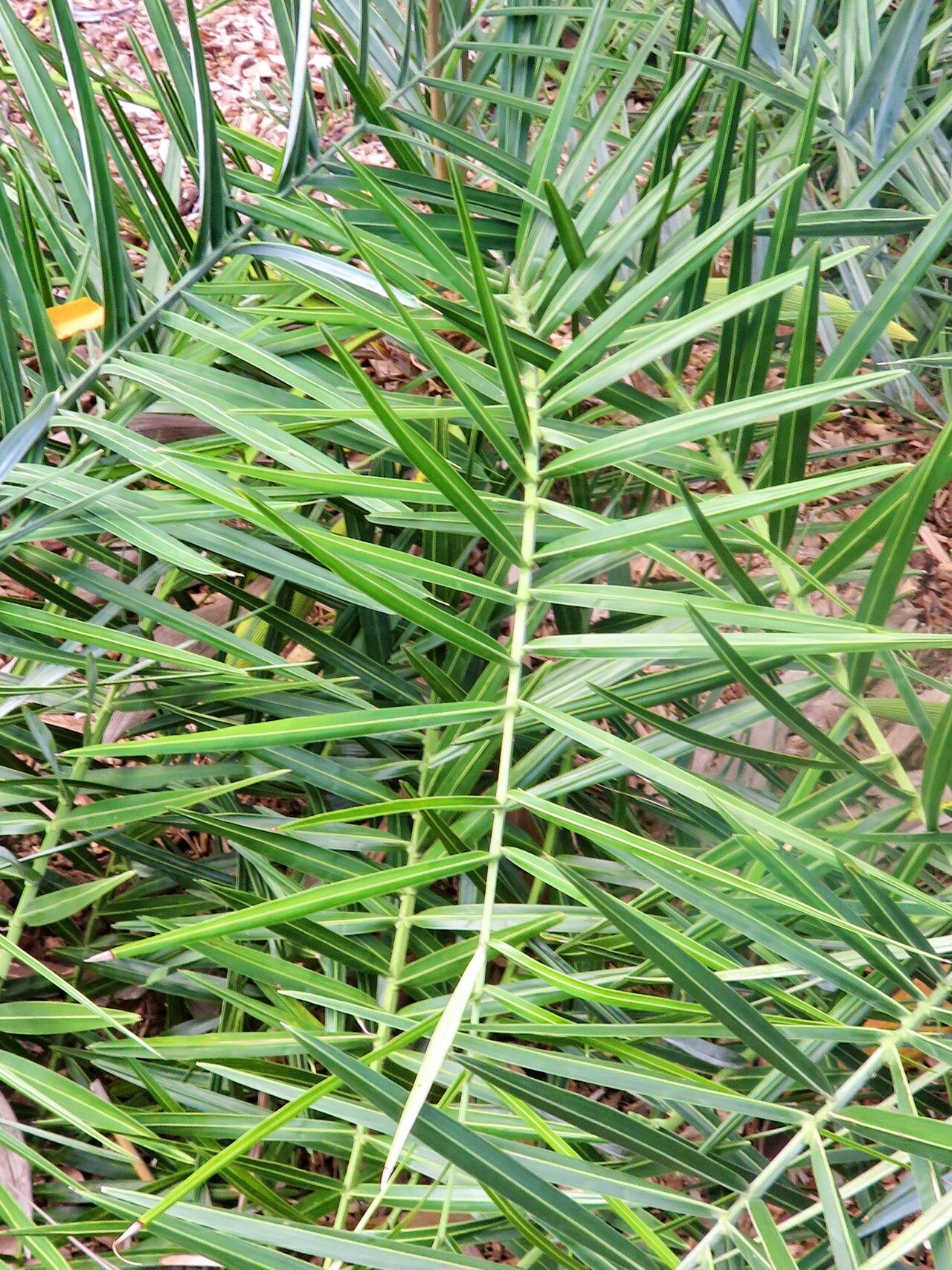
From Seed to Palm: Unlocking the Secrets of Syagrus Evansiana Propagation
The Syagrus evansiana, with its graceful, feather-like fronds and captivating tropical aesthetic, is a highly sought-after palm for landscape adornment. But what if you could bring this beauty to life yourself, cultivating your own majestic palm tree from scratch? The answer lies in the fascinating world of plant propagation, and with Syagrus evansiana, the journey is both rewarding and surprisingly straightforward.
The Power of Seeds:
Syagrus evansiana, like many palms, propagates primarily through seeds. These seeds, often found within the palm’s fleshy fruit, hold the potential for a new life. Here’s a step-by-step guide to embarking on this exciting propagation journey:
Gather Fresh Seeds: Opt for ripe, freshly harvested seeds for the best germination success. You can source them online, from specialized nurseries, or by carefully collecting them from mature palms.
Prepare for Planting: Before planting, give your seeds a bit of encouragement. Soak them in lukewarm water for 24 hours to soften their outer shell.
The Right Soil Recipe: Syagrus evansiana seeds thrive in a well-draining, slightly acidic soil mix. A blend of potting soil, perlite, and vermiculite creates an ideal environment.
Sowing and Germination: Plant the seeds about 1 inch deep, spaced apart in a seedling tray or pot. Maintain a consistently warm temperature – ideal for germination is around 75 to 85 degrees Fahrenheit. Keep the soil consistently moist, and anticipate germination within several weeks to a few months.
Beyond Seeds: A Look at Other Methods
While seed propagation is the most common method, you can also explore other techniques, though these might be more challenging:
Offshoots: Syagrus evansiana occasionally produces offshoots or “suckers” from the base of the trunk. These can be carefully separated and planted, offering a quicker route to a mature palm.
- Tissue Culture: This advanced technique involves growing plant cells in a sterile environment to produce genetically identical clones. While not widely practiced for Syagrus evansiana, it is a method used by specialized nurseries.
Nurturing Your Young Palm:
Once germination occurs and your young seedlings emerge, they need consistent care:
Sunlight and Temperature: Provide ample indirect sunlight, gradually introducing them to direct sun as they grow. Keep them warm, avoiding temperatures below 50 degrees Fahrenheit.
Watering: Aim for consistent moisture, allowing the soil to dry slightly between waterings.
- Fertilization: Feed young palms with a balanced fertilizer diluted to half-strength every few weeks during the growing season.
Beyond the Basics: Troubleshooting and Success
Propagation is a journey of discovery, and like any journey, you’ll likely encounter some bumps along the way. Here are some common challenges and solutions:
Slow Germination: This is normal for Syagrus evansiana seeds. Patience is key! Ensure appropriate temperature, moisture, and soil conditions.
Fungal Issues: Fungal infections can occur in damp environments. Use a fungicide as needed.
- Pest Control: Inspect your seedlings regularly for pests like aphids or mealybugs. Address them promptly.
From Seed to Sanctuary:
By embracing the art of propagation, you’re not just cultivating a plant; you’re nurturing a piece of nature’s beauty. The journey from seed to mature palm, while time-consuming, offers immense satisfaction and the privilege of shaping a piece of your landscape. So, gather those seeds, embrace the process, and watch your Syagrus evansiana grow into a captivating, flourishing centerpiece.