
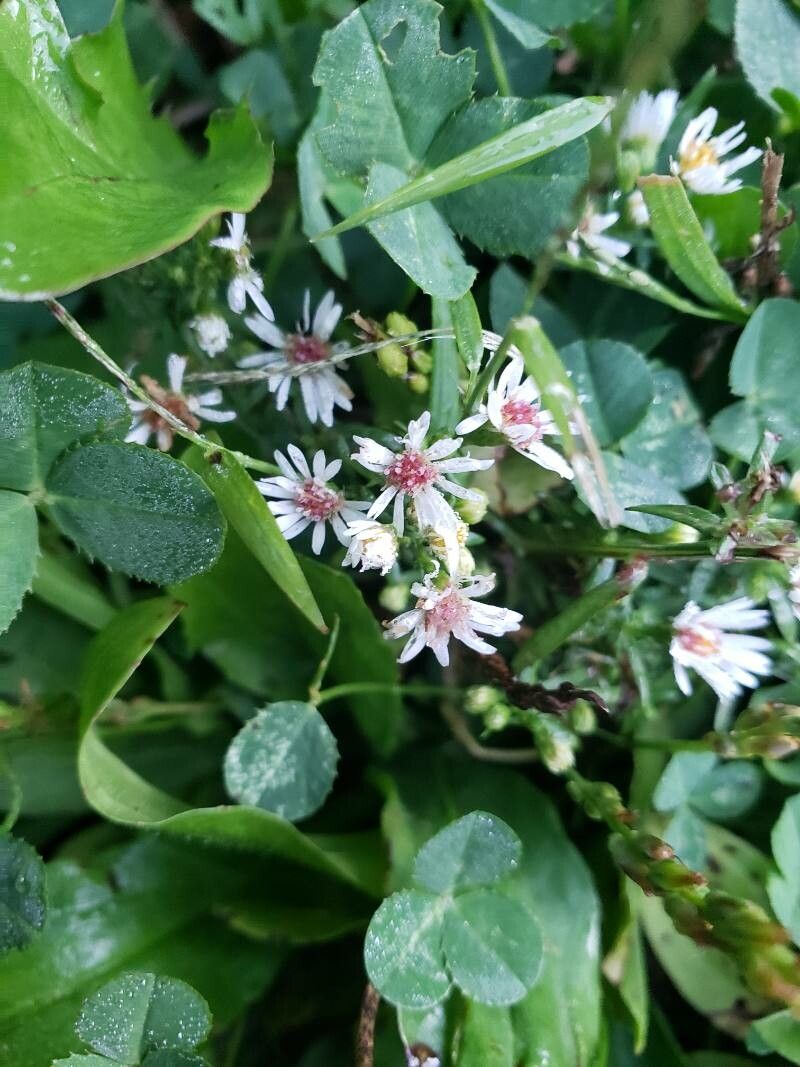
Multiply Your White Wonders: Propagating Heath Aster (Symphyotrichum ericoides)
The Heath Aster (Symphyotrichum ericoides), with its clouds of delicate white flowers, brings a touch of ethereal beauty to any late summer and fall garden. But did you know that multiplying these charming blooms is easier than you think? Whether you’re a seasoned gardener or just starting, propagating Heath Asters is an achievable and rewarding way to expand your floral landscape.
Why Propagate?
Propagation offers several advantages over simply buying new plants:
- Cost-effective: Growing new plants from your existing ones is easier on your wallet.
- Preserves desirable traits: You can create clones of your most vigorous and floriferous Heath Asters.
- Sense of accomplishment: There’s a unique satisfaction in nurturing new life from your garden.
Three Methods for Success
Heath Asters can be propagated through three primary methods: division, cuttings, and seeds.
1. Division (Recommended Method)
Division is the easiest and most successful way to propagate Heath Asters. Here’s how:
- Timing: Early spring or fall, when the soil is moist and cool.
- Process:
- Carefully dig up the entire clump of the plant, ensuring you get a good root ball.
- Gently separate the clump into smaller sections, each with a healthy set of roots and shoots.
- Replant the divisions at the same depth they were originally growing and water well.
2. Cuttings
Taking stem cuttings is a viable method, though it takes a little more care:
- Timing: Late spring or early summer, during active growth.
- Process:
- Select healthy, non-flowering stems.
- Using a sharp, clean knife or pruner, take cuttings about 4-6 inches long, making the cut just below a leaf node.
- Remove the lower leaves from the cutting, leaving only a few at the top.
- Dip the cut end in rooting hormone (optional, but recommended).
- Plant the cuttings in a well-draining potting mix.
- Keep the cuttings consistently moist and in a humid environment until roots have formed (around 4-6 weeks).
3. Seeds
While possible, starting Heath Asters from seed can be a bit more challenging:
- Timing: Start seeds indoors 6-8 weeks before the last expected frost.
- Process:
- Sow seeds in seed-starting mix and lightly cover them.
- Keep the soil consistently moist and place the tray in a warm, bright location.
- Once seedlings have developed a few sets of true leaves, transplant them into individual pots.
- Harden off the seedlings gradually before planting them outdoors after the last frost.
Tips for Success
- Prepare your site: Heath Asters prefer full sun to partial shade and well-drained soil.
- Water regularly: After planting, ensure your new additions receive consistent moisture, especially during dry periods.
- Fertilize sparingly: Heath Asters don’t require heavy feeding. A light application of balanced fertilizer in spring is sufficient.
With a bit of patience and care, you can successfully propagate your own Heath Asters and enjoy an abundance of their charming blooms for years to come. So go ahead – multiply those white wonders and let your garden become a haven for pollinators and a testament to the joys of plant propagation!