
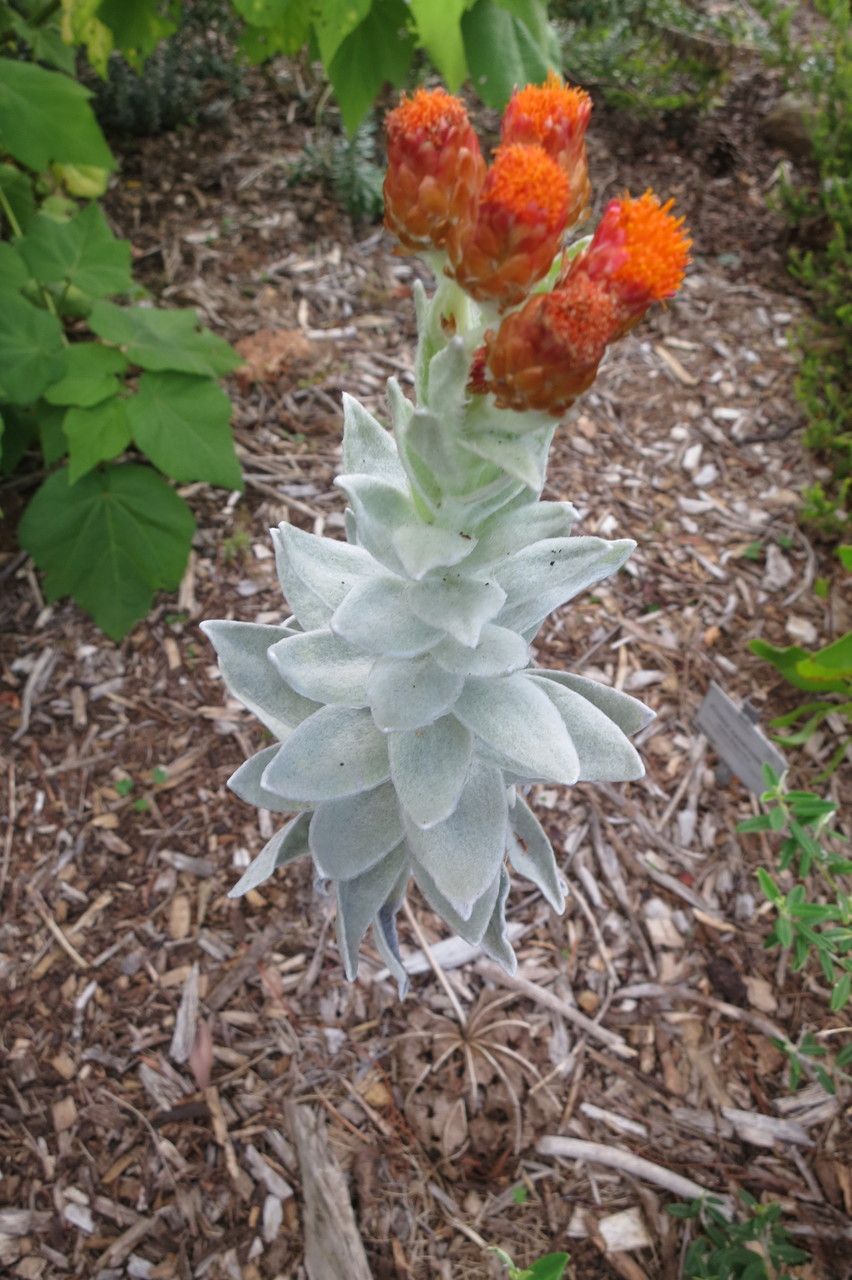
Unlocking the Secrets: How to Propagate the Exquisite Syncarpha Eximia
The world of plants never ceases to amaze, and the Syncarpha eximia, also known as the pink everlasting or cape everlasting, is a prime example of nature’s artistry. Native to the stunning landscapes of South Africa, this charming plant boasts papery, vibrant pink to red flowers that seem to bloom eternally, hence the name “everlasting.” But did you know that you can multiply this beauty in your own garden?
While admiring the Syncarpha eximia in its natural habitat is breathtaking, cultivating your own collection is equally rewarding. Propagating this sun-loving species is a journey of patience and care, but the results are well worth the effort. Let’s explore the two primary methods:
1. The Magic of Seeds:
- Timing is Key: For the best results, begin sowing your Syncarpha eximia seeds in late winter or early spring. This timing allows the seedlings to benefit from the warmth and increased sunlight as they establish themselves.
- Preparing the Seedbed: Utilize a well-draining, sandy loam seedling mix. Moisten the mix before gently pressing the tiny seeds onto the surface, ensuring they are not entirely buried. Remember, light aids in germination.
- Warmth and Moisture: Cover the seed tray with a clear plastic dome or wrap to create a mini-greenhouse effect, maintaining humidity and warmth. Place the tray in a brightly lit location, but out of direct sunlight.
- Patience is a Virtue: Germination usually takes a few weeks. Once the seedlings emerge and are large enough to handle, thin them out, giving the strongest ones ample space to grow.
2. The Art of Cuttings:
- The Right Time and Place: As spring graces us with its presence, select healthy, non-flowering stems from your established Syncarpha eximia plant.
- Precision Cutting: Using a clean, sharp knife or pruning shears, cut a 3-4 inch section just below a leaf node. Remove the lower leaves, leaving only a few at the top.
- Hormonal Boost: Dipping the cut end in rooting hormone (while optional) can significantly improve the success rate by encouraging root development.
- Creating a Cozy Home: Plant the cuttings in a pot filled with a well-draining rooting mix, ensuring the leaf nodes are below the soil surface.
- Simulating Nature: Cover the pot with a clear plastic bag supported by sticks to create a humid environment. Place the pot in a warm, brightly lit area, avoiding direct sunlight which can scorch the delicate cuttings.
Nurturing Success:
- Watering Wisely: Water the seedlings and cuttings sparingly, ensuring the soil does not become waterlogged. A spray bottle can be helpful in providing gentle moisture.
- A Breath of Fresh Air: Once your new plants show signs of growth, gradually acclimate them to the outdoors. Start with short periods in a shaded area and slowly increase their exposure to sunlight.
- Transplanting Time: When your Syncarpha eximia offspring have developed a robust root system, they are ready to graduate to their permanent home in your garden or larger pots.
Enjoying the Everlasting Beauty:
With their striking, long-lasting blooms and relative ease of propagation, Syncarpha eximia makes a delightful addition to any garden. These low-maintenance beauties thrive in well-drained soil and sun-drenched locations, rewarding you with their captivating presence. So, why not embark on this rewarding journey and propagate your own collection of these exquisite everlastings?