
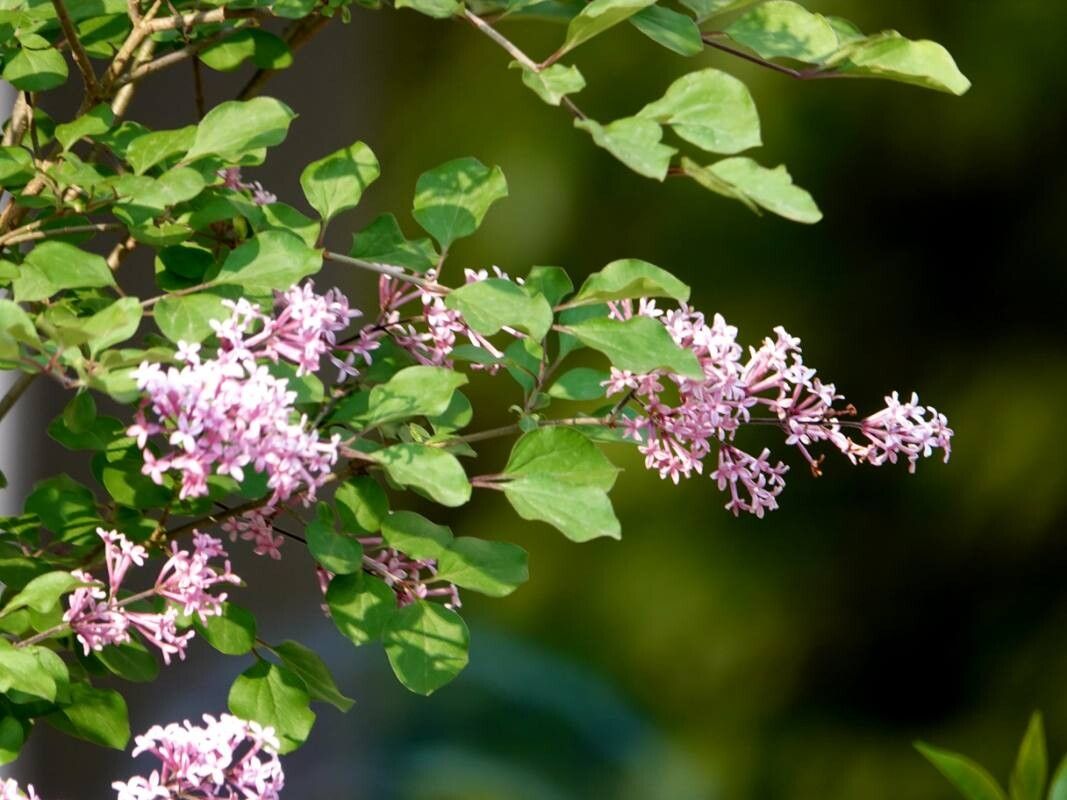
Waking the Sleeping Beauty: Propagating Syringa pubescens for a Fragrant Future
The Syringa pubescens, also known as the Manchurian Lilac or Chinese Lilac, is a captivating shrub renowned for its intoxicating fragrance and delicate beauty. Unlike its common lilac cousin, this species boasts a more compact size, making it ideal for smaller gardens. But did you know that sharing the magic of Syringa pubescens is easier than you might think? Let’s dive into the world of plant propagation and discover how to multiply your fragrant treasures.
Layering: A Natural Approach
Nature often provides the easiest solutions, and layering is a prime example. This technique encourages roots to develop on a stem while it’s still attached to the parent plant.
Here’s how it’s done:
- Choose your target: In early spring, select a flexible, low-growing branch on your Syringa pubescens.
- Prepare the branch and soil: Gently scrape the bark on the underside of the branch, exposing a small area of the cambium layer. Prepare a small trench near the parent plant filled with rich, well-draining soil.
- Bury the treasure: Bend the prepared branch and bury the scraped portion in the soil trench, securing it with a landscape staple or rock. Keep the tip of the branch exposed.
- Patience is key: Water the area regularly and patiently wait. Roots will develop from the buried section over the next 12-18 months.
- Independence Day: Once the roots are established, carefully separate the layered branch from the parent plant in early spring and transplant it to its new home.
Cuttings: A Snippet of Potential
For those who crave a bit more hands-on propagation, taking stem cuttings is a rewarding method.
Here’s the game plan:
- Timing is everything: Take your cuttings in late spring or early summer from healthy, non-flowering shoots.
- The perfect cut: Using clean, sharp pruning shears, cut a 4-6 inch section just below a leaf node. Remove the lower leaves, leaving 2-3 pairs at the top.
- Hormone boost: Dip the cut end in rooting hormone powder to encourage healthy root development.
- Planting time: Plant the cuttings in a pot filled with a well-draining potting mix. Ensure the bottom node is buried.
- Create a humid haven: Cover the pot with a plastic bag or place it in a propagator to maintain high humidity.
- Root development: Place the pot in a bright location, out of direct sunlight. Within 6-8 weeks, roots should start to form.
- Transplanting success: Once the roots are well-established, carefully transplant your new Syringa pubescens into individual pots or your desired garden location.
Reap the Rewards of Your Efforts
Propagating your Syringa pubescens is not just about multiplying your plants; it’s about sharing the enchantment of their fragrance and beauty. Imagine gifting a piece of your garden, imbued with your care and dedication, to friends and family. With a little patience and the right techniques, you can easily create a legacy of these captivating shrubs, filling your own garden and the hearts of others with their intoxicating aroma. So why not give it a try? The journey of propagation awaits, promising a fragrant future for you and your beloved Syringa pubescens.